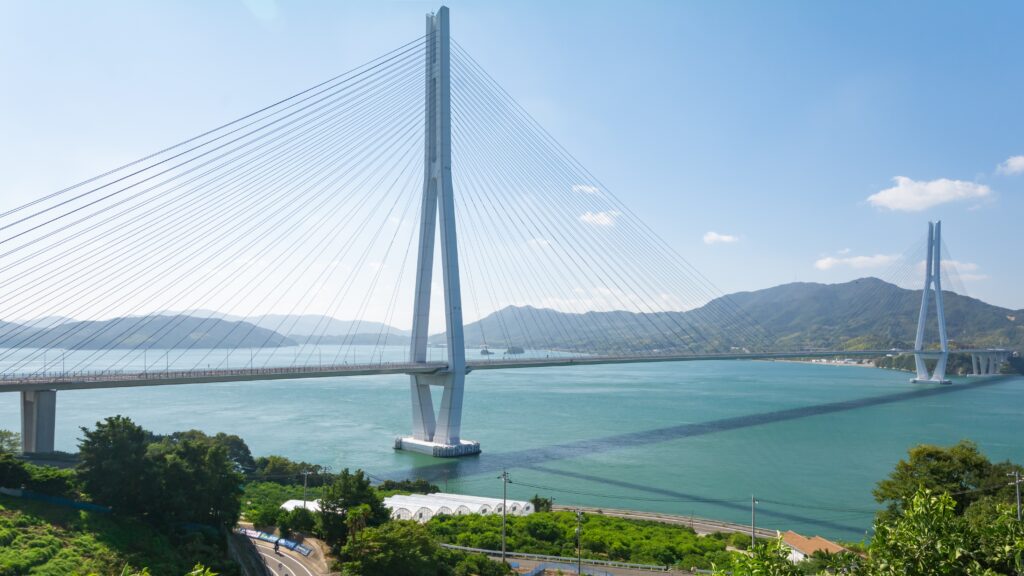
From Onomichi to Omishima: A Two-Night Journey by Boat and Bicycle
Explore the quiet islands of the Seto Inland Sea on a two-night journey by boat and bicycle.
From Onomichi to Omishima: A Two-Night Journey by Boat and Bicycle Read More »

Explore the quiet islands of the Seto Inland Sea on a two-night journey by boat and bicycle.
From Onomichi to Omishima: A Two-Night Journey by Boat and Bicycle Read More »
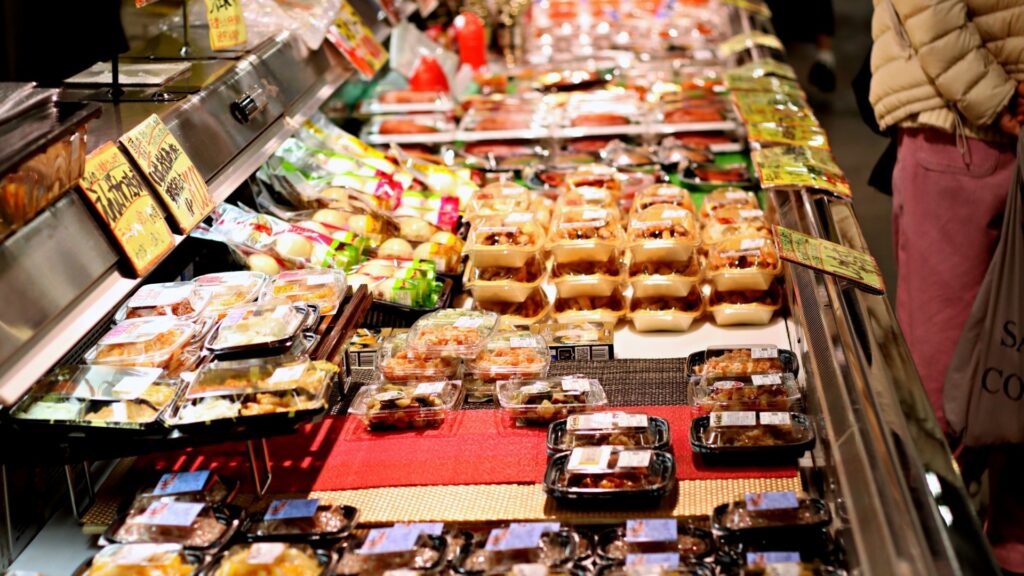
Sushi, ramen, and izakaya food may be what travelers first associate with eating in Japan. But for a glimpse of what people actually bring home for dinner, try walking through a supermarket. The seafood counter, the tofu shelves, the rows of small prepared dishes—ordinary supermarket aisles can reveal a surprising amount about everyday life in
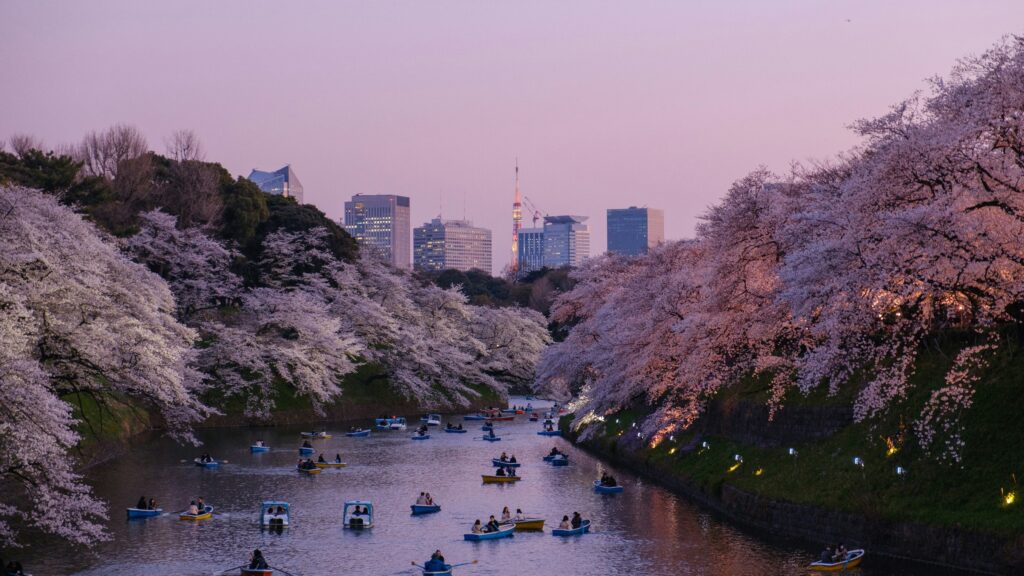
Japan is, in many ways, an easy country to travel around. Public transportation is usually reliable, convenience stores are everywhere, and clean restrooms are easy to find at stations, shops, and major sightseeing areas. Eating alone is common, and visiting museums, temples, shrines, or cafés by yourself rarely feels unusual. But Japan’s convenience does not
What to Know Before Traveling in Japan — Beyond the Usual Advice Read More »
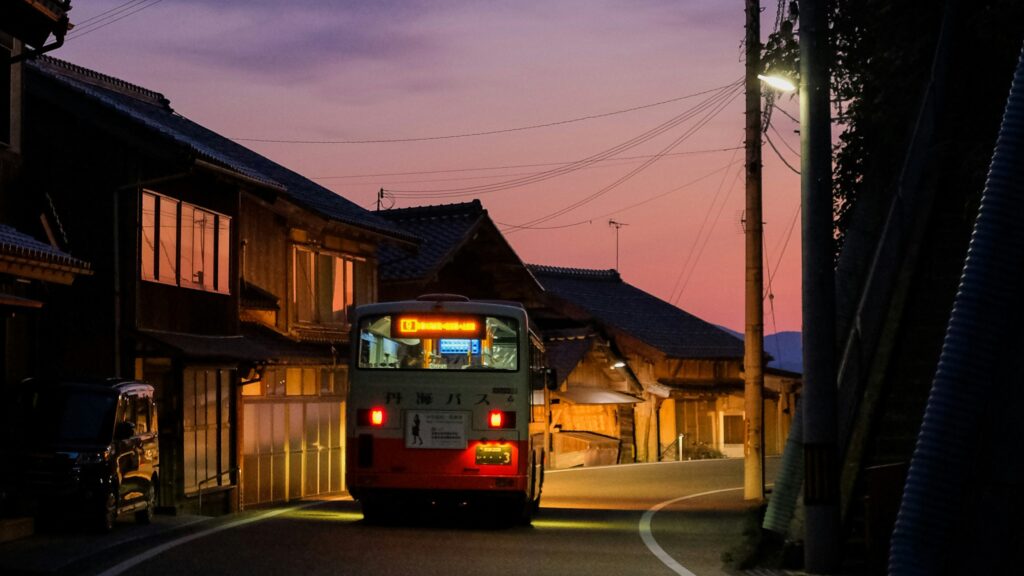
When traveling in Japan, you will sometimes come across places that are difficult to reach by train alone. Hot spring towns in the mountains, small-town shrines and temples, museums, lakes, and waterfalls are often easier to reach by local bus. At first, Japan’s bus system can seem confusing because boarding and payment methods vary slightly
How to Ride Local Buses in Japan: A Simple Guide for First-Time Riders Read More »
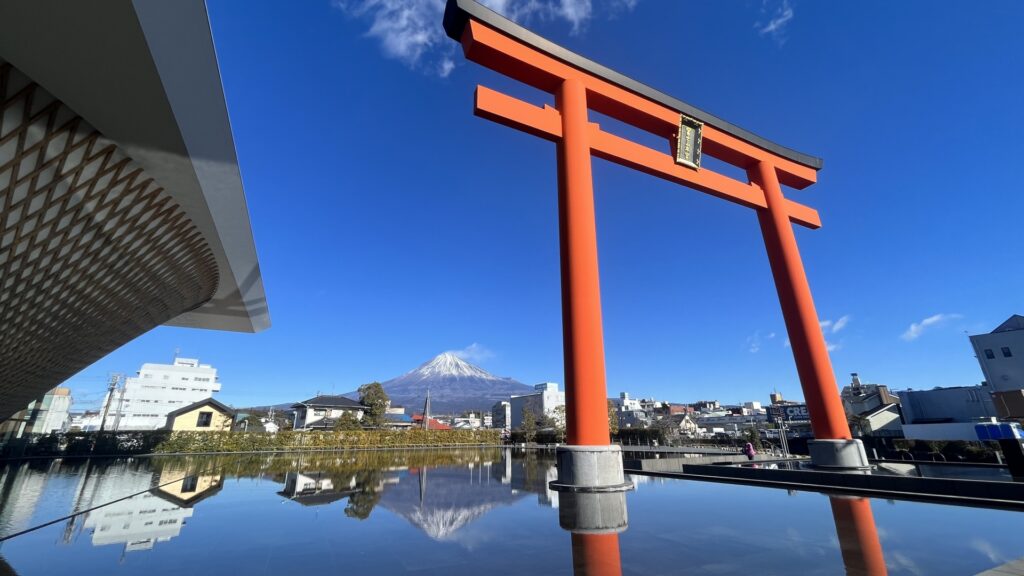
It is tempting to plan a trip to Mt. Fuji around the view of the mountain itself. In Fujinomiya, though, you can feel its presence even when the summit is hidden by clouds. Start at the Mt. Fuji World Heritage Center, have lunch at Omiya Yokocho, and visit Fujisan Hongu Sengen Taisha and Wakutama Pond.
A Day in Fujinomiya: From the World Heritage Center to Shiraito Falls Read More »
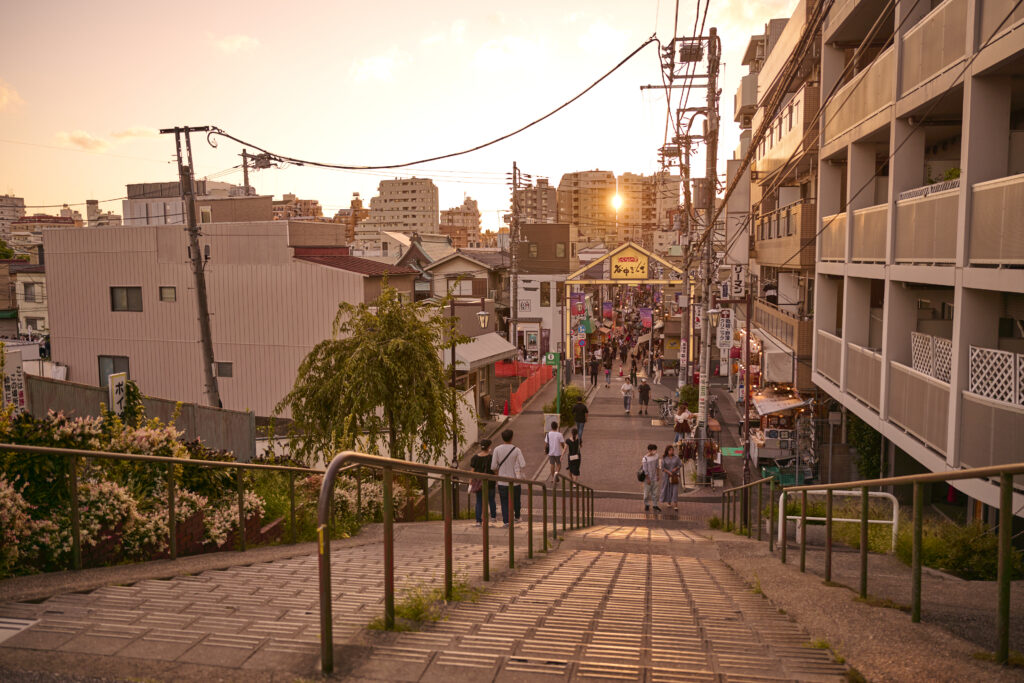
Featured image: © Tokyo Convention&Visitors Bureau Tokyo does not preserve its past in museums alone. In Yanaka and Nezu, traces of earlier centuries remain woven into ordinary streets: a vermilion shrine gate between neighborhood homes, a weathered wall built from clay and roof tiles, a cemetery path shaded by cherry trees, and a shopping street
A Slow Walk Through Old Tokyo: Yanaka and Nezu Read More »
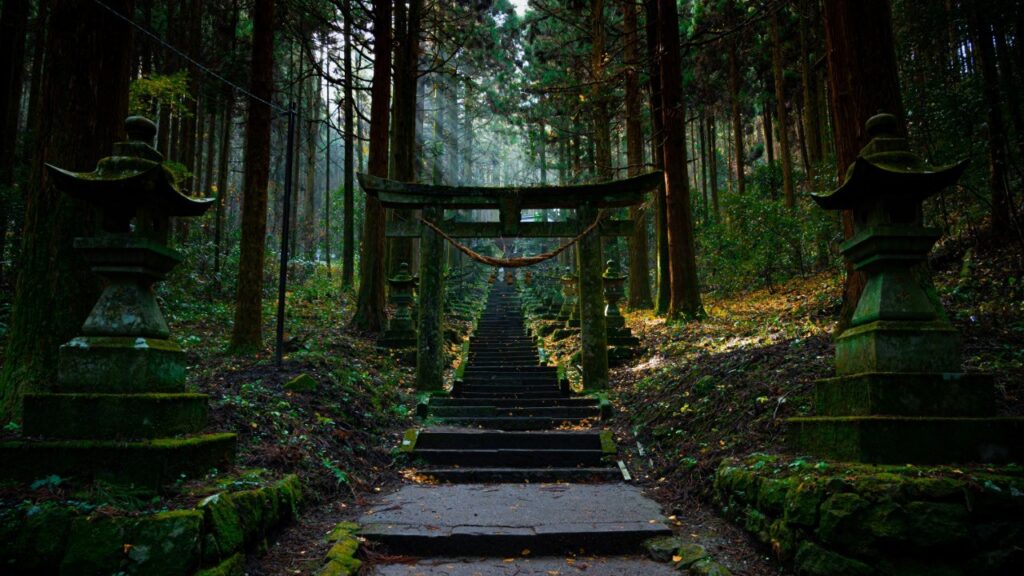
Travel through Japan for a few days, and you may find yourself visiting far more shrines and temples than you expected. You pass beneath a vermilion gate, climb a moss-covered stone stairway, or stand before a hall where incense drifts through the air. The setting may feel unmistakably Japanese, yet it is easy to leave
Shrines and Temples in Japan: How to Tell the Difference—and See More Read More »
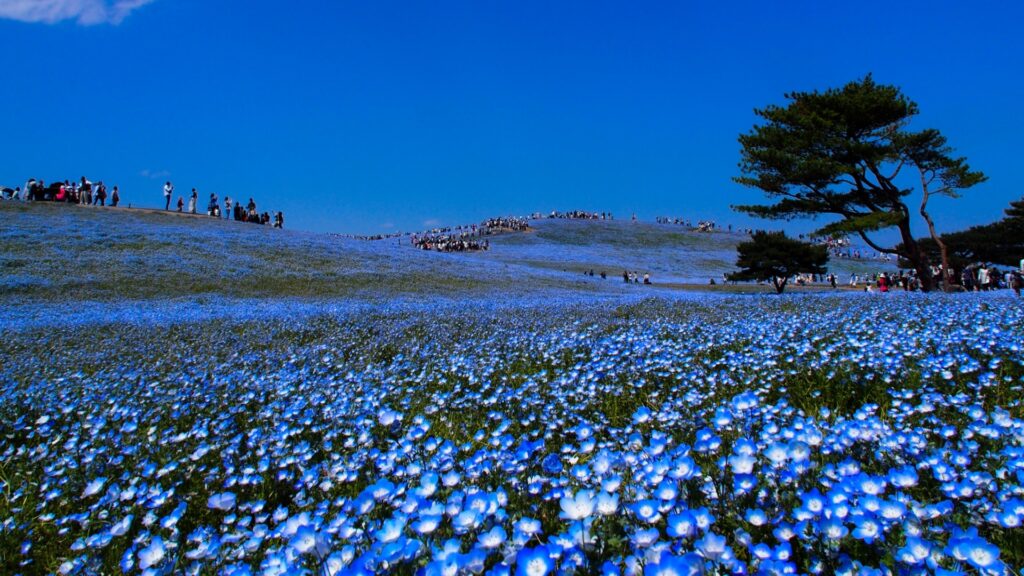
Cherry blossoms may be Japan’s best-known sign of spring. Yet about ninety minutes northeast of Tokyo, another kind of spring appears on a hill close to the Pacific Ocean—one painted almost entirely in blue. This is Hitachi Seaside Park in Hitachinaka, Ibaraki Prefecture. Each spring, around 5.3 million nemophila cover Miharashi Hill, creating a landscape
A Blue Hill by the Pacific: A Slow Day at Hitachi Seaside Park Read More »
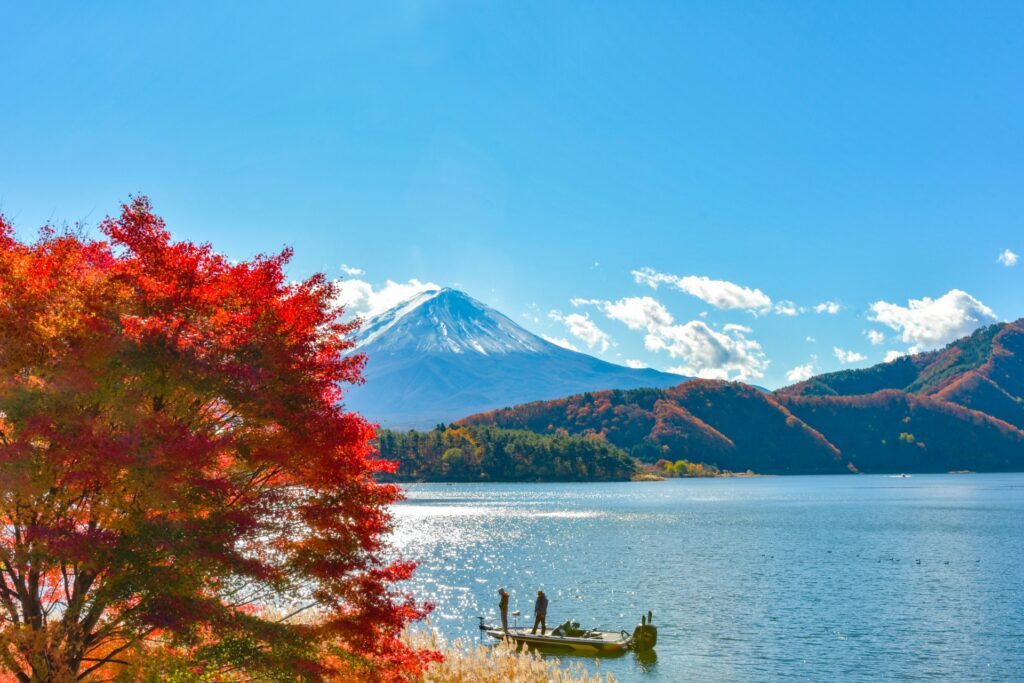
If asked to name one reason to visit Lake Kawaguchi, most people would answer Mount Fuji. The mountain rising beyond the water is reason enough to come. Yet it would be a shame to reduce this part of Yamanashi Prefecture to a single photograph. Flowers follow the seasons around the lakeshore. Trees turn from fresh
Lake Kawaguchi at a Slower Pace: A One-Night Journey Beyond the Fuji View Read More »
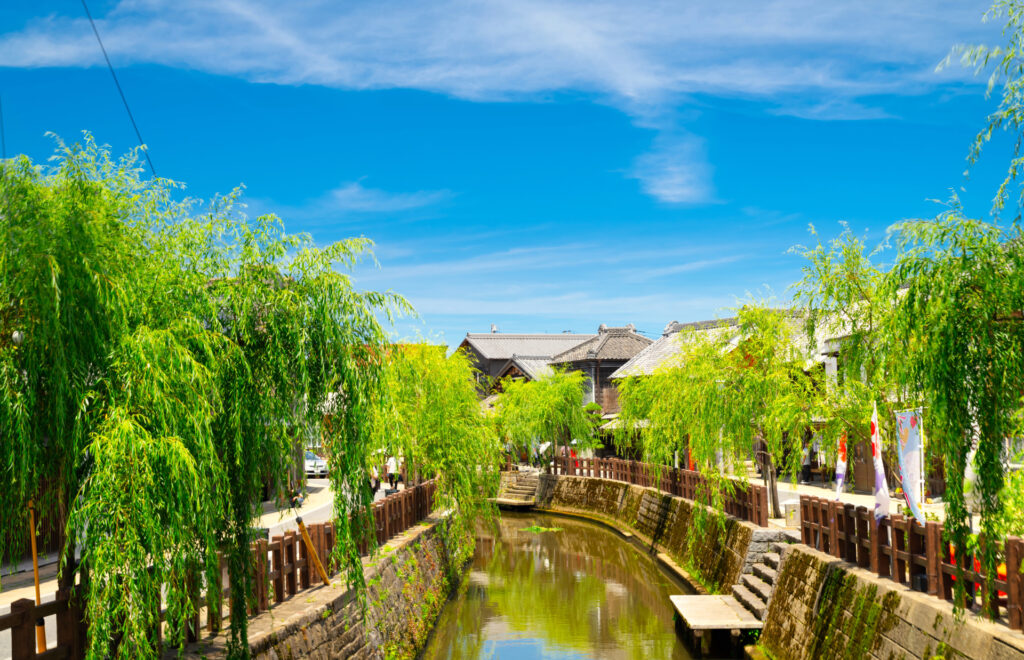
In Sawara, Chiba Prefecture, a small river runs through the heart of an old merchant town. Wooden shopfronts, tiled roofs and willow trees line the water, while boats pass below the bridges at an unhurried pace. At first, it is easy to see the Ono River simply as the town’s most picturesque feature. But the
A Slow Day in Sawara: A Merchant Town Shaped by Water Read More »