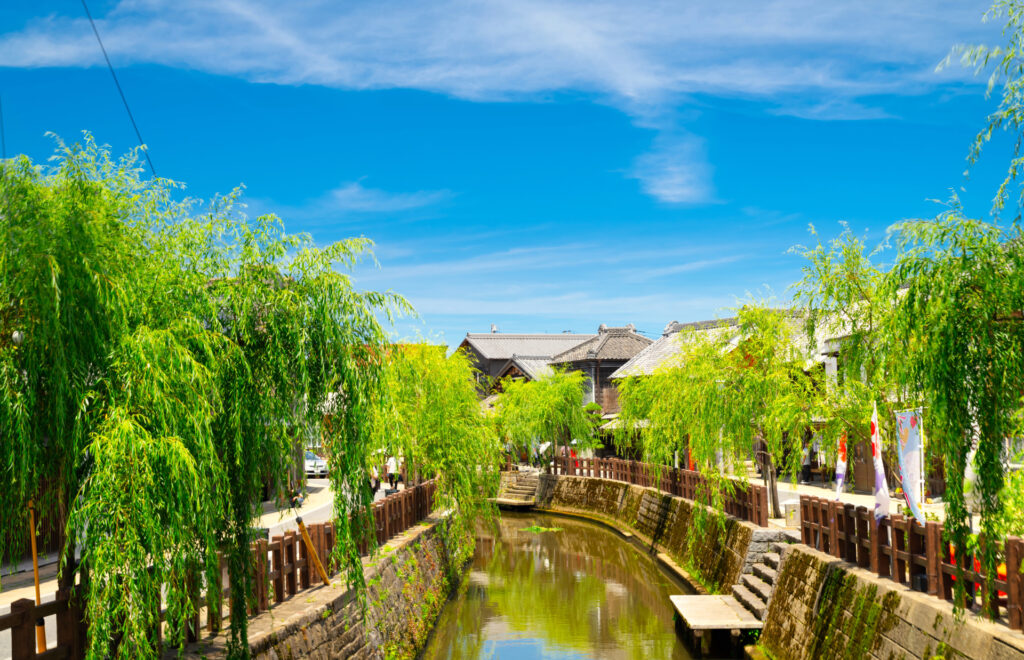
In Sawara, Chiba Prefecture, a small river runs through the heart of an old merchant town. Wooden shopfronts, tiled roofs and willow trees line the water, while boats pass below the bridges at an unhurried pace. At first, it is easy to see the Ono River simply as the town’s most picturesque feature.
But the river is more than scenery. Connected to the Tone River, it once carried rice and other goods through the region. Waterborne trade helped Sawara grow into an important commercial center, and the streets that visitors walk today were shaped by that history.
Sawara is best understood slowly. Rather than collecting a long list of sights, spend time beside the river, look carefully at one merchant house, step inside a working shop and leave enough room for lunch. This guide suggests a thoughtful half-day in Sawara, with practical routes from Narita Airport and Tokyo.
Sawara at a Glance
| Best for | History, traditional architecture, local shops and slow walking |
|---|---|
| Time needed | About 4–5 hours in Sawara, or a full day when traveling from Tokyo |
| Main area | Ono River, Katori Kaido and the streets around Chukeibashi Bridge |
| From Narita Airport | About 60-90 minutes by JR train, including a typical transfer wait |
| From Tokyo Station | Allow about 2 hours 10 minutes to 2 hours 40 minutes |
| Walking | About 15 minutes from Sawara Station to the historic riverside district |
| Good to know | Trains are infrequent, and several museums and facilities may close on Mondays |
Begin with the River: Why Sawara Prospered
The Ono River flows through central Sawara before joining the Tone River. During the Edo period, the growth of river transport turned Sawara into a port where rice and regional goods were gathered and shipped. Small landing places known as dashi once lined the river, linking boats with the stores and warehouses on shore.
Trade brought people, money and materials into the town. Merchant businesses developed beside the water, along with industries such as brewing. The calm river you see today was once part of a working transport network.
As you walk, look beyond the reflections on the water. Notice how the river relates to the streets, where buildings face and how the riverside connects with Katori Kaido, the old road running through the merchant district. Sawara’s commercial landscape cannot be understood from the river alone; it was formed by the movement between water, street and shop.
Read the Town Through Its Merchant Buildings
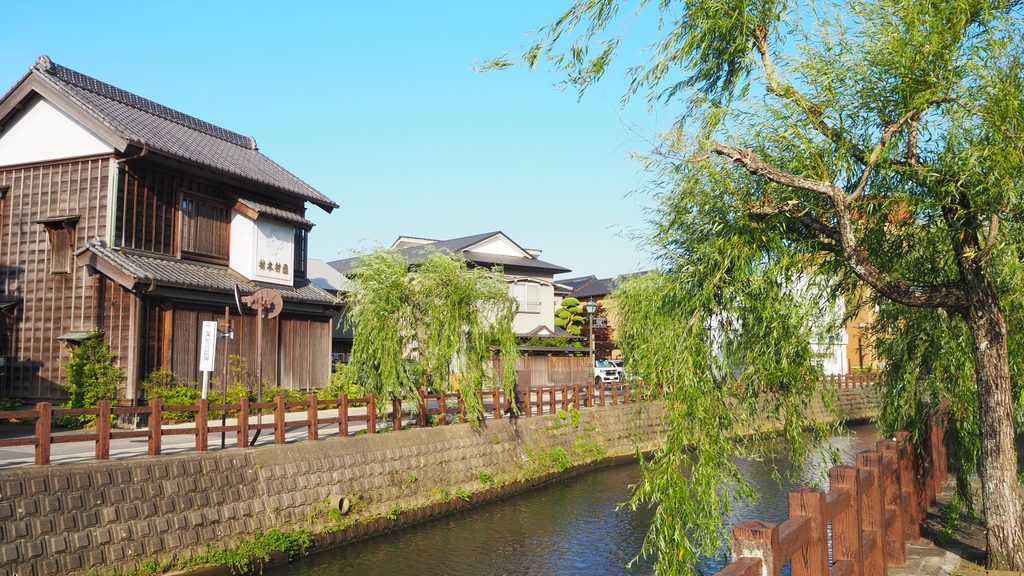
Around the Ono River and Katori Kaido, buildings from different periods stand close together. You will see traditional wooden townhouses, storehouses with substantial walls and latticework, but also Western-influenced buildings from the early twentieth century.
In December 1996, central Sawara was selected as an Important Preservation District for Groups of Traditional Buildings, the first such district in the Kanto region. This does not mean the town survived untouched or stopped changing. Residents and business owners have continued using, repairing and adapting its buildings while preserving the character of the streetscape.
You do not need to memorize architectural terminology to appreciate the district. Compare wooden lattices, old signs, tiled roofs, plastered storehouses and brickwork. Together they show how a commercial town changed over generations without losing every trace of its past.
If it is open, the Sawara Machinami Koryukan is a useful first stop for local information. Beside it stands the Sawara Mitsubishi Building, constructed as a bank in 1914. Its brick exterior offers a clear contrast with the wooden merchant houses nearby and adds another layer to the story of commerce in Sawara.
Step Inside Inoh Tadataka’s Life in Sawara
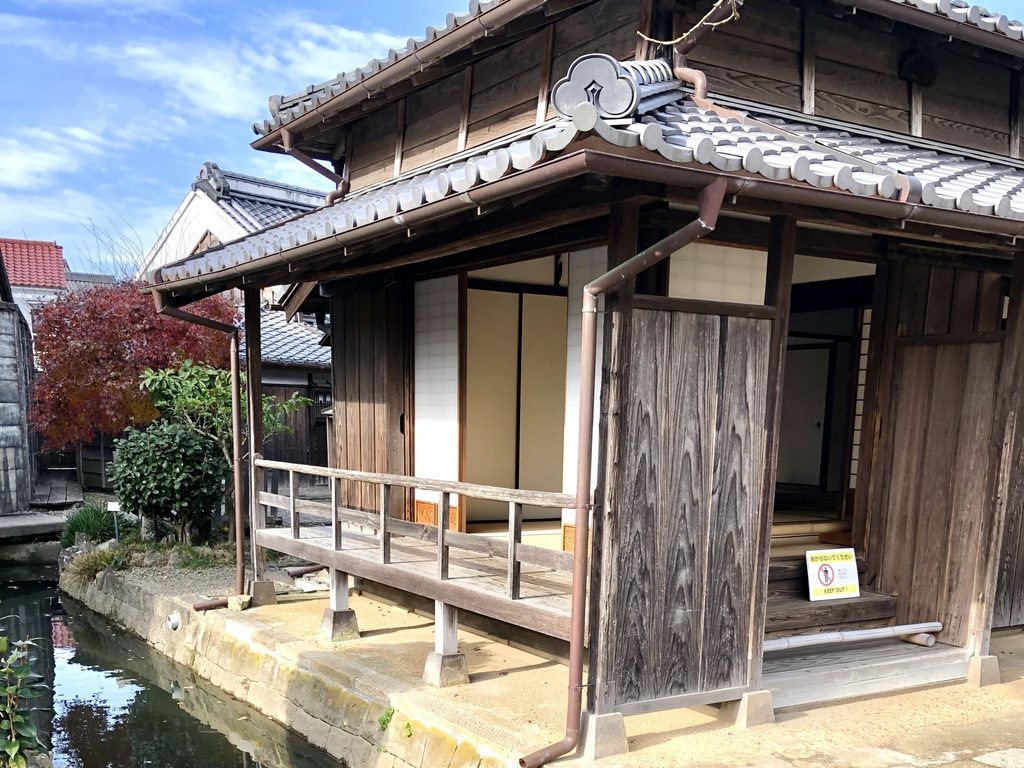
Sawara is closely associated with Inoh Tadataka, whose surveying work contributed to the first map of Japan produced with modern surveying methods. Before beginning that work, however, he spent many years as the head of a merchant household in Sawara.
His former residence includes a shop facing the Ono River, a house behind it and a storehouse. Tadataka managed family businesses that included brewing and rice trading. He transferred responsibility for the businesses to his eldest son in 1794 and moved to Edo the following year.
Seeing the residence before the museum helps place Tadataka within the economic life of Sawara. He was not simply a great figure who appeared apart from the town: he worked and lived within the merchant world that the river had helped create.
The former residence and the Inoh Tadataka Museum are separate places. Visit the house to understand the arrangement of a merchant property, then use the museum to learn more about his surveying and maps. Allow about an hour for both if you prefer to read exhibitions without rushing.
Practical note: The Inoh Tadataka Former Residence is free to enter. The museum is open from 9:00 a.m. to 4:30 p.m.; admission is ¥500 for adults and ¥250 for primary and junior-high school students. The museum normally closes on Mondays, or the following weekday when Monday is a public holiday. The former residence closes only over the New Year period. Photography is prohibited inside the museum’s exhibition rooms except in areas marked as permitting photographs.
Meet the Living Town Through Its Shops
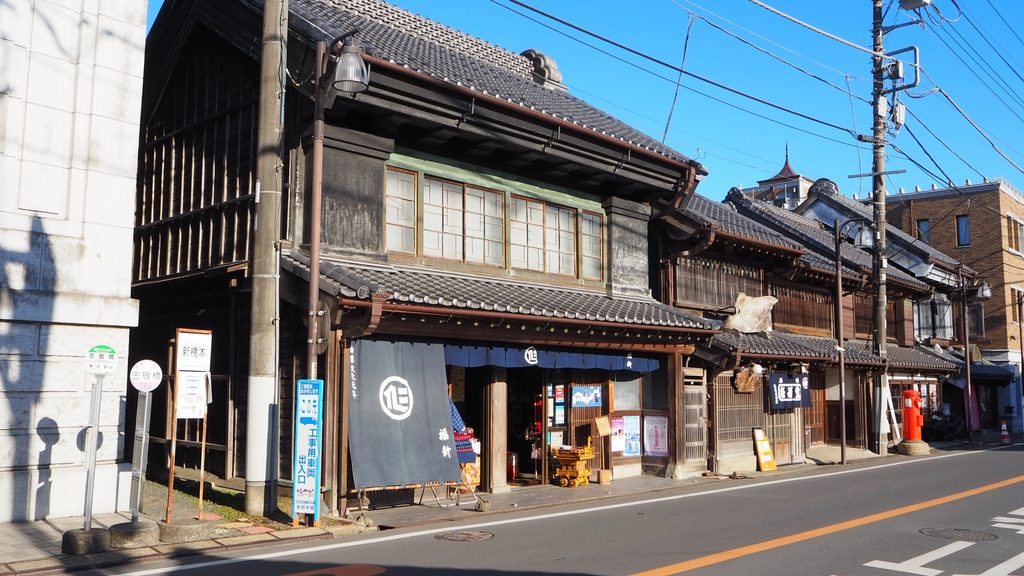
Some of Sawara’s historic buildings are still shops and homes. Entering one open business, respectfully and within the areas made available to visitors, reveals something that an exterior photograph cannot: preservation here is connected to present-day work.
Fukushin Kimono Shop is one example. The property is designated as a cultural asset by Chiba Prefecture, while the business now sells kimono, hand towels, remade kimono items and other Japanese goods. Choosing one small, useful object can be a more meaningful encounter with the town than treating every shopfront as a photo backdrop.
Sawara also has a community initiative in which shops and households display tools, furnishings and skills passed down through their businesses. Availability differs from place to place. Remember that a working shop is not an unattended museum: check where visitors may enter, do not assume private rooms or storehouses are open, and ask before photographing goods or displays.
Stop for a Local Lunch and Something Sweet
A day in Sawara is best enjoyed slowly, with time for a thoughtful lunch and something sweet along the way. From inventive ramen made with locally produced mirin to udon and traditional sweets served in a restored merchant house, these stops offer different ways to pause and experience the town beyond its historic streets.
For a casual lunch: Noodles Labo Kakyoan
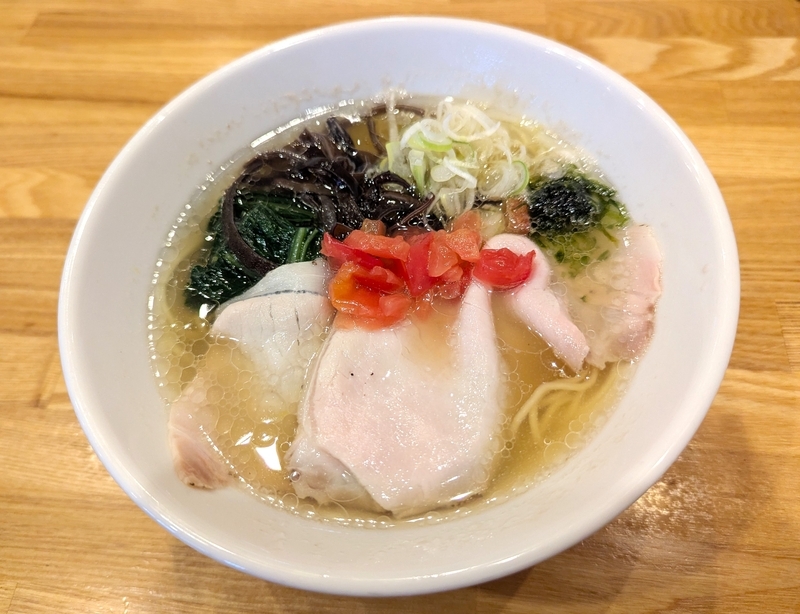
Not to be confused with its course-based sister restaurant, Noodles Labo Kakyoan is a casual ramen shop in a renovated old house beside the Ono River. Its salt ramen combines French and Japanese cooking techniques and uses locally produced mirin, offering a contemporary connection to Sawara’s food culture.
Official website · Open in Google Maps
| What to try | Salt ramen |
|---|---|
| Budget | ¥930 for salt or soy sauce ramen; other dishes cost more. |
| Location | Beside the Ono River, near Nakabashi Bridge |
| Hours | Weekdays 10:30 a.m.–2:30 p.m.; weekends and public holidays 10:30 a.m.–3:30 p.m.; closed Thursdays. |
| Payment | The official site says cards and electronic money are not accepted; bring cash |
For a Light Lunch and Traditional Sweets: Inae
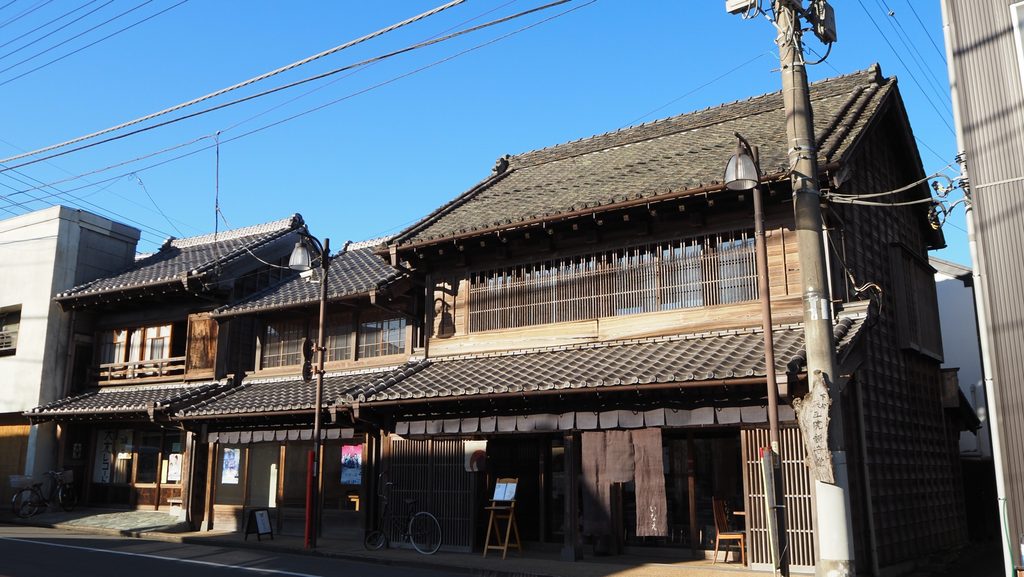
Set inside a collection of restored merchant buildings from the Meiji period, Inae is more than a café. Its historic townhouses, storehouse, Western-style building, and small garden have been thoughtfully brought together as a place to experience Sawara’s past in a quiet, contemporary setting.
The café serves udon and rice dishes alongside traditional Japanese sweets such as anmitsu and seasonal shaved ice. It is a pleasant choice for a light lunch or an unhurried break during a walk along the Ono River. There is also a small gallery and shop featuring crafts, food, and objects connected with everyday life in Sawara.
Official website · Open in Google Maps
| What to try | Udon or a rice bowl, followed by anmitsu or seasonal shaved ice |
|---|---|
| Budget | Around ¥1,000–¥2,000 per person |
| Location | Near the Ono River, about a 10-minute walk from Sawara Station |
| Opening hours | 10:30 a.m.–5:00 p.m.; closed Wednesdays |
| Good to know | Food service may end before the café closes; check the latest opening information before visiting |
A small sweet to take with you: Toraya
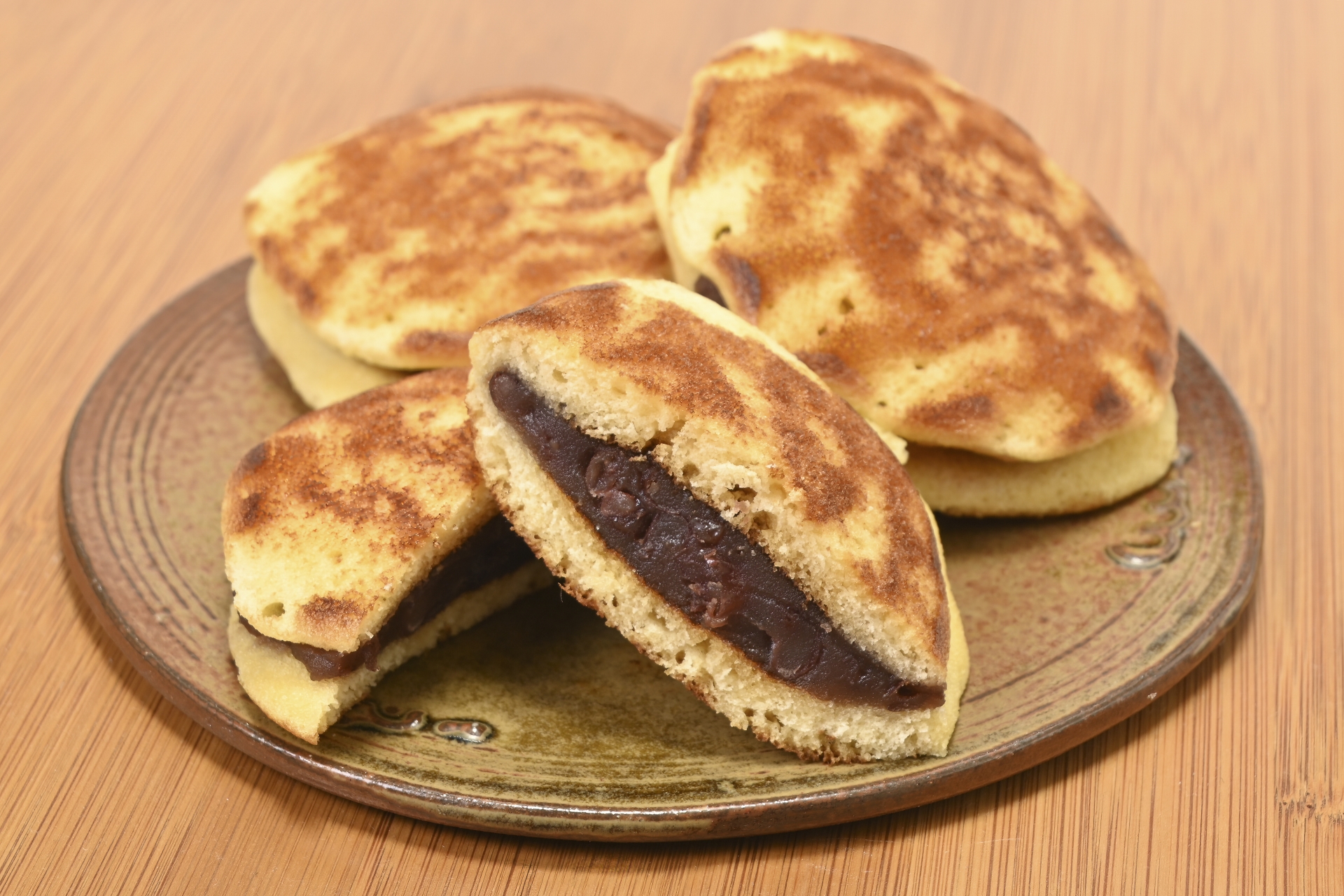
On Katori Kaido, Toraya is a long-established confectioner in Sawara. Its signature torayaki has a tiger-patterned cake wrapped around sweet red-bean paste. It should be introduced as the present-day signature of an old Sawara confectioner, rather than as a sweet unique to the entire region.
Torayaki is suitable for a small purchase to take away. If the shop’s collection of traditional confectionery molds is on display, it also offers another glimpse of the tools and labor behind a merchant business. Ask where the sweet may be eaten rather than assuming that food from the shop can be opened beside the river.
Official shop page · Open in Google Maps
See the Waterfront from a Small Boat
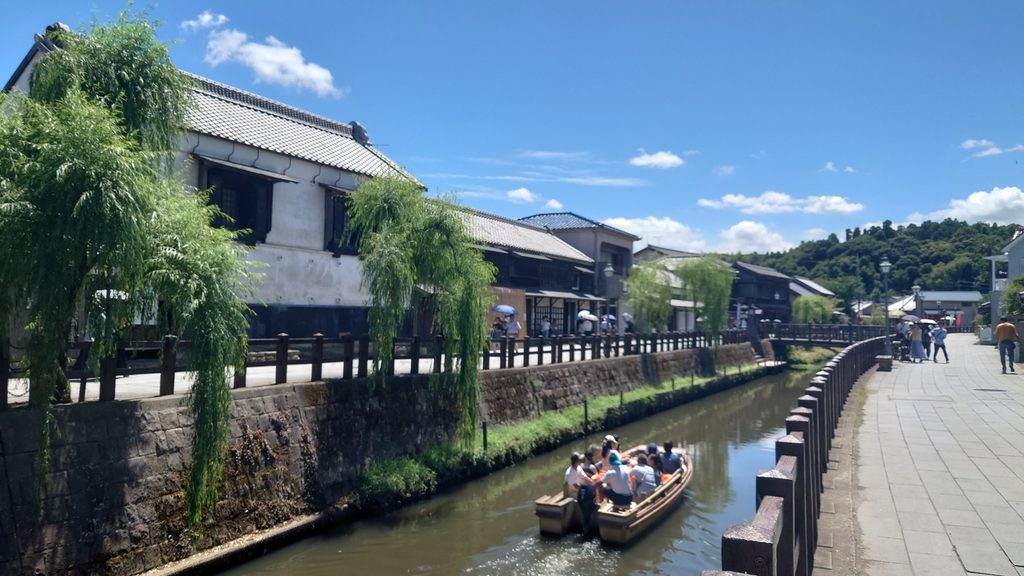
After walking the streets, you can see the town from a different height on the Koedo Sawara boat ride. The townscape course takes about 30 minutes, departing from the area in front of Inoh Tadataka’s former residence. From close to the water, the relationship between the riverbanks and the buildings becomes easier to see.
Practical note: Ask at the landing point about the next available departure when you arrive. If you need to board at a specific time, contact the operator in advance. Services may be suspended due to weather or river conditions.
| Course | Ono River townscape course |
|---|---|
| Duration | About 30 minutes |
| Current listed fare | Adults ¥1,300; primary-school children ¥700 |
| Boarding point | In front of Inoh Tadataka’s former residence, about 15 minutes on foot from Sawara Station |
| Reservations | No clear policy is published; contact the operator in advance if timing matters |
| Operating hours | From 10:00; the final time varies by season, generally between 15:00 and 16:30 |
| Closures | Irregular; services may be suspended because of weather or river conditions |
Check the official Burekimera boat page for current fares and seasonal operating hours. The ride is optional: if boats are not running, you can still follow the same story through the riverside streets, the former residence, the museum and the shops.
A Slow Half-Day Itinerary
This sample plan allows about four to five hours in Sawara. Treat the times as a framework rather than a schedule. Museum closures, restaurant waiting times and boat operations may require you to change the order.
| Approximate time | Plan |
|---|---|
| 10:00 | Arrive at Sawara Station and walk toward the historic district. Collect a local map if the information center is open. |
| 10:30 | Walk beside the Ono River and along Katori Kaido. Look at the merchant houses and the former bank building. |
| 11:15 | Have an early lunch at Noodles Labo Kakyoan or Inae. |
| 12:15 | Visit Inoh Tadataka’s former residence and the museum, and check the next available boat departure. |
| 13:15 | Step inside one open shop, such as Fukushin, without rushing through several. |
| 14:00 | Take the boat ride, or return to the river for a slower walk if boats are not operating. |
| Before leaving | Buy a torayaki at Toraya, then walk back to Sawara Station. |
Choose one lunch restaurant rather than trying to visit both. If lunch or the museum takes longer than expected, skip one stop instead of rushing. The boat ride is optional, and a slower walk along the river is a good alternative when services are not operating.
Getting to Sawara from Narita Airport or Tokyo
Sawara is reached via the JR Narita Line. The journey is relatively simple from Narita Airport, while visitors traveling from Tokyo should allow most of the day for the round trip.
From Narita Airport
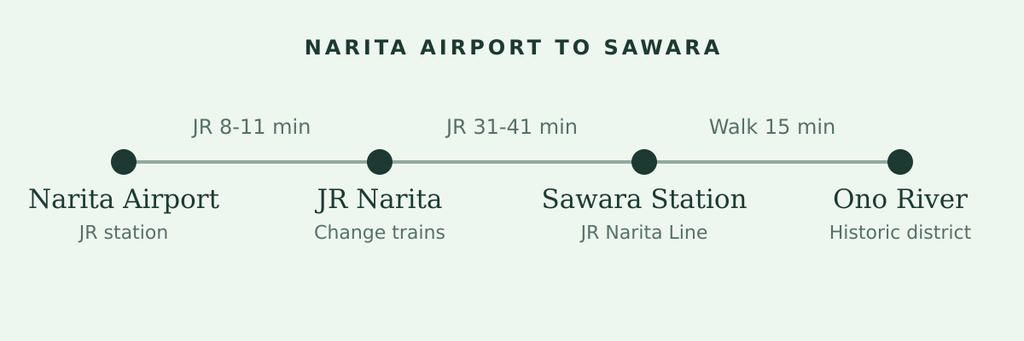
Take a JR train from your airport terminal to JR Narita Station, then change to the JR Narita Line for Sawara. The complete journey usually takes about 60–90 minutes, including the transfer.
From Tokyo Station
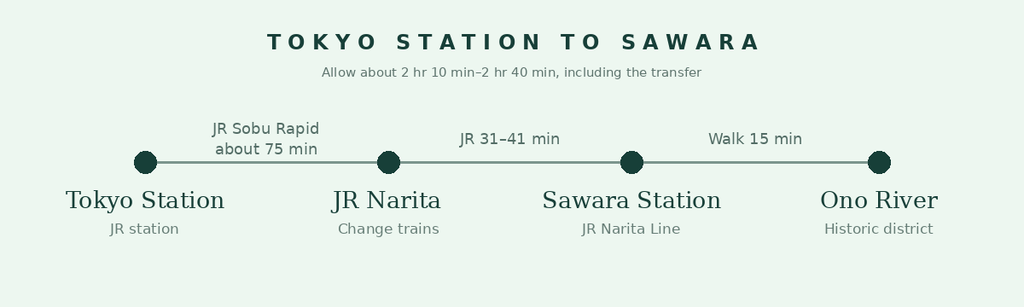
From Tokyo Station, take the JR Sobu Rapid Line toward Chiba, Sakura, or Narita, then change to a JR Narita Line train for Sawara. Allow about 2 hours 10 minutes to 2 hours 40 minutes each way.
Should You Stay Overnight?
Sawara’s central district can be explored in half a day, so an overnight stay is not essential. Staying becomes more appealing if you are interested in the reuse of historic merchant buildings, want a less hurried meal, or plan to continue through the wider Narita and northern Chiba area.
NIPPONIA Sawara Merchant Town Hotel uses buildings distributed through the historic district. Its restaurant may also accept non-staying guests.
Before booking, check the location of your assigned building, the check-in arrangements, meal options, and any reservation requirements.
Final Thoughts
Sawara is more than a row of attractive old buildings. The river carried goods, trade supported shops and storehouses, and generations of residents continued using and caring for the town. The former residence, working shops, local food and present-day boat ride all belong to that longer story.
Instead of rushing between as many stops as possible, pause beside the water. Look closely at one building. Pause for a meal or something sweet at one local establishment. Sawara reveals more when you give its quiet river and merchant streets time to unfold.