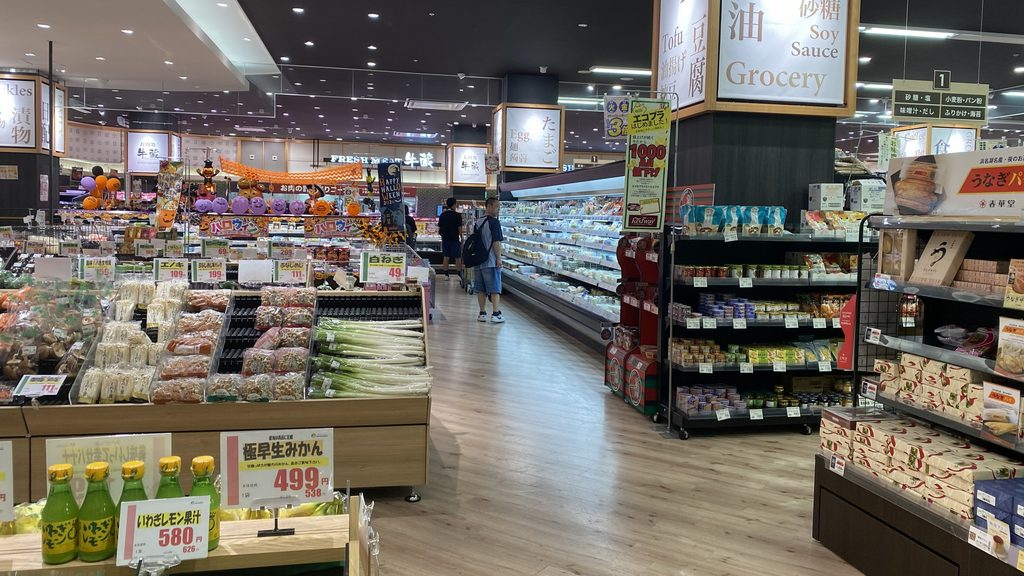
Sushi, ramen, and izakaya food may be what travelers first associate with eating in Japan. But for a glimpse of what people actually bring home for dinner, try walking through a supermarket. The seafood counter, the tofu shelves, the rows of small prepared dishes—ordinary supermarket aisles can reveal a surprising amount about everyday life in Japan.
Walk through the store and you will find vegetables, fish, tofu, prepared dishes, seasonings, sweets, and many other foods that rarely appear in travel guides. Together, they offer a glimpse of what people cook at home, how the seasons shape daily meals, and which foods are familiar in a particular region. A supermarket is broader than a convenience store and more everyday than the food hall of a department store. It is not a tourist attraction, but it can be one of the most interesting places to catch a glimpse of ordinary life in Japan.
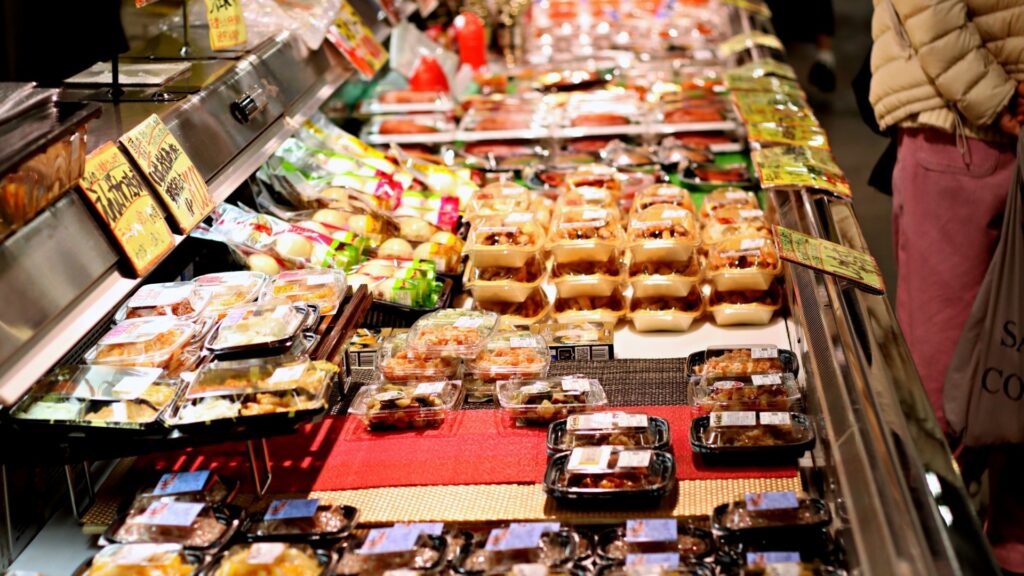
Start with the prepared-food section
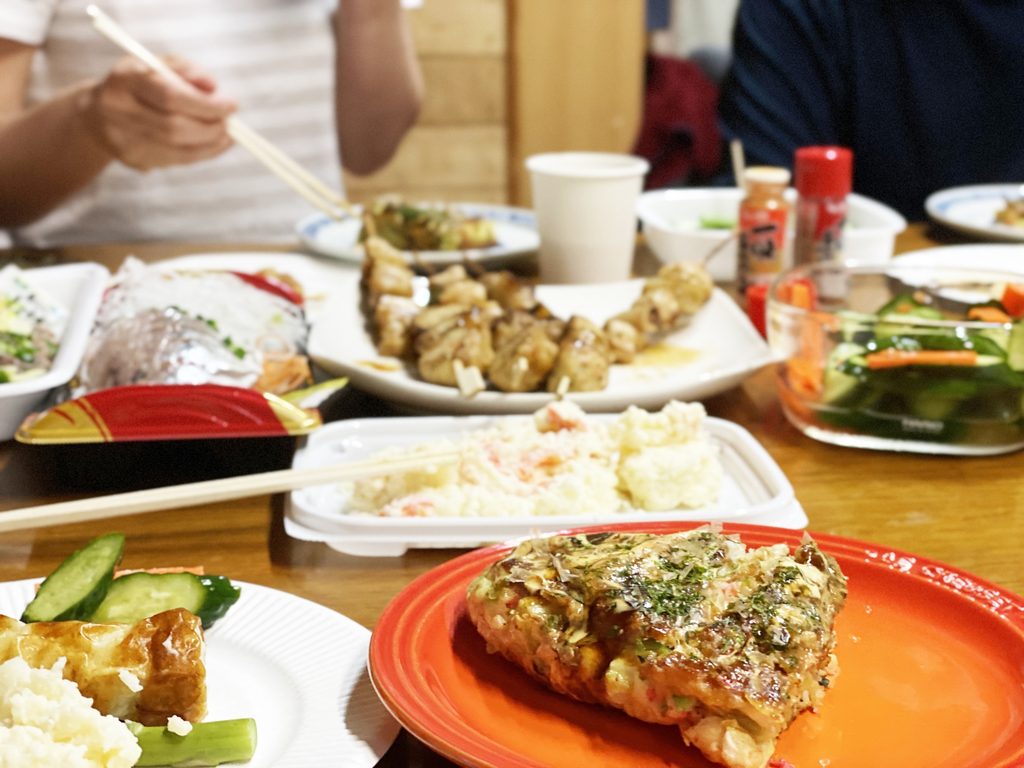
For travelers, the prepared-food section is probably the easiest place to begin. You may find karaage fried chicken, croquettes, grilled fish, simmered vegetables, tamagoyaki, salads, sushi, and bento, all ready to eat.
But prepared foods in Japan are not only for people who want to buy an entire meal instead of cooking. A family might make rice and miso soup at home, then add a small container of hijiki or sesame-dressed vegetables from the supermarket. Someone might cook the rest of dinner but buy grilled fish rather than prepare it themselves. In that sense, the prepared-food section offers a small window into how many everyday meals are put together in modern Japan.
If you are traveling, consider choosing a few small side dishes instead of only buying a bento. You may come across foods such as kinpira gobo, shira-ae, or nanbanzuke—dishes that are common in Japanese homes but that travelers may rarely encounter in restaurants.
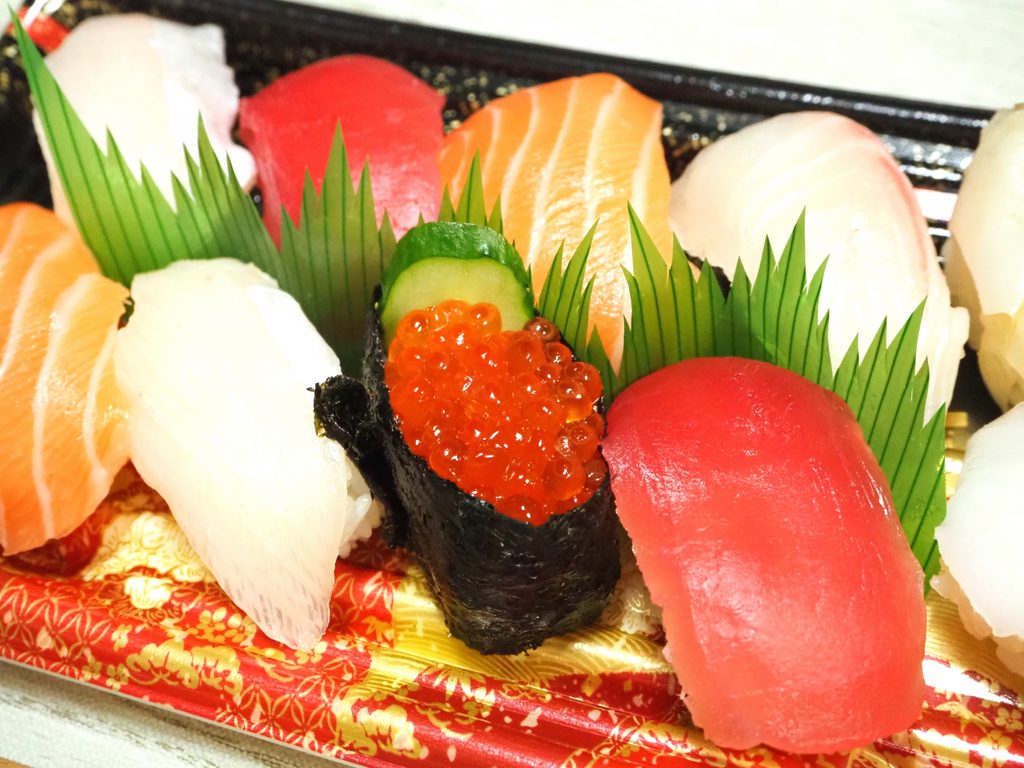
The seafood section shows how close fish is to everyday life
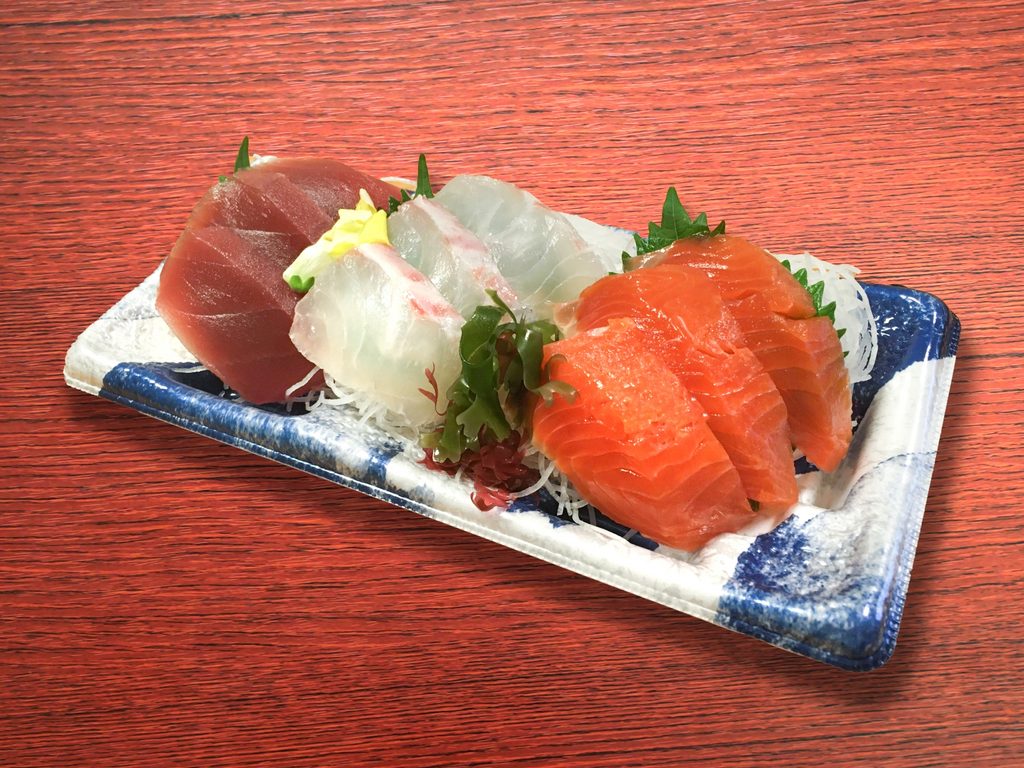
For many overseas visitors, the seafood section may be one of the most interesting parts of a Japanese supermarket. There is usually much more than sashimi. Depending on the store and region, you may see whole fish, fillets, dried fish, marinated or seasoned fish, shellfish, and tiny fish such as shirasu.
In Japan, fish is not reserved for special occasions. Grilled salmon may appear at breakfast. Dried fish can be a simple everyday meal. Shirasu may be spooned over a bowl of warm rice. Looking at the seafood section makes it easier to understand the role fish plays in daily Japanese food culture beyond sushi.
The selection may also change from one region to another. Even if you do not recognize every fish, it can be interesting to compare what you see in different parts of the country.

Tofu, natto, and pickles: the quieter shelves tell you a lot
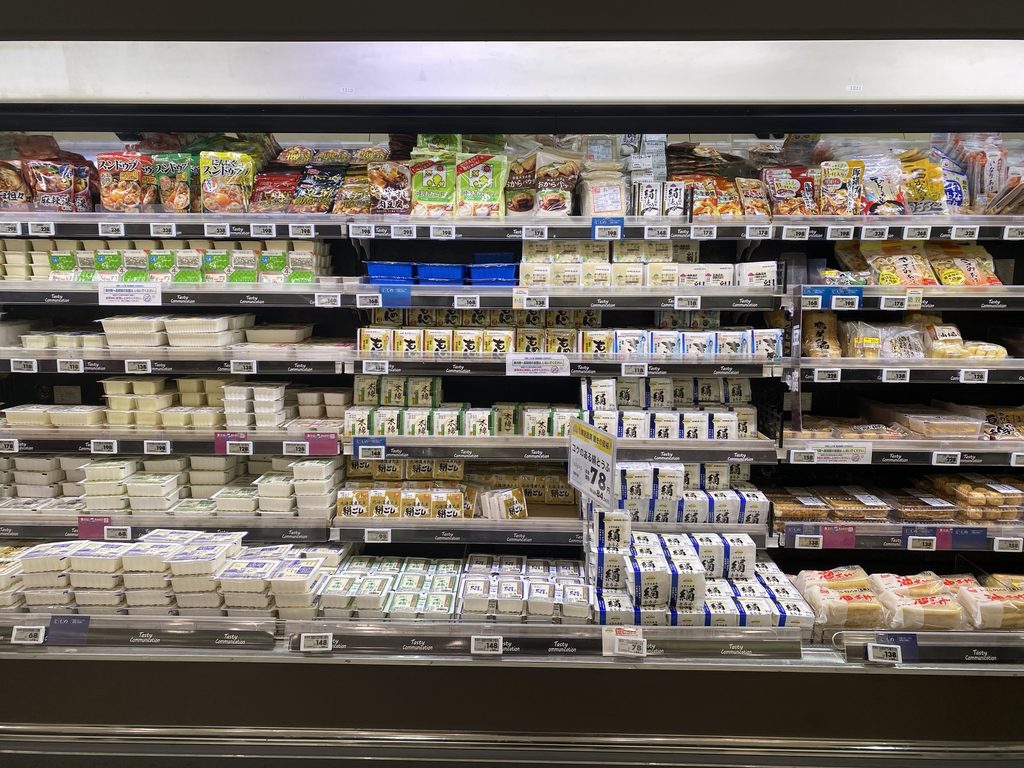
Tofu is familiar in many countries, but in a Japanese supermarket it rarely means just one product. You may find momen (firm) tofu, kinu (silken) tofu, small single-serving packs, atsuage thick fried tofu, and aburaage thin fried tofu. Nearby are often natto, konnyaku, and a wide range of Japanese pickles.
These shelves may not look especially exciting at first, but they are among the best places to see ingredients that are part of ordinary home cooking. Aburaage might be added to miso soup or simmered dishes. Tofu may be served chilled, added to soup, or used in a hot pot. Restaurants show you finished Japanese dishes. A supermarket also lets you see the everyday ingredients that come before them.
The seasons appear on supermarket shelves
Seasonal change is easy to notice in Japanese supermarkets. In spring, you may see bamboo shoots and wild mountain vegetables. Summer brings edamame and somen noodles. Chestnuts and sweet potatoes become more visible in autumn, while winter brings ingredients for nabe hot-pot meals.
Annual customs appear on the shelves as well. Before Setsubun, stores display roasted soybeans and ehomaki sushi rolls. Around Hinamatsuri, you may find chirashi sushi ingredients and hina-arare rice crackers. At the end of the year, soba noodles and foods associated with New Year’s celebrations become much more prominent.
Seasonality in Japan is not limited to gardens, temples, or festivals. It also appears in the ordinary routines of grocery shopping.
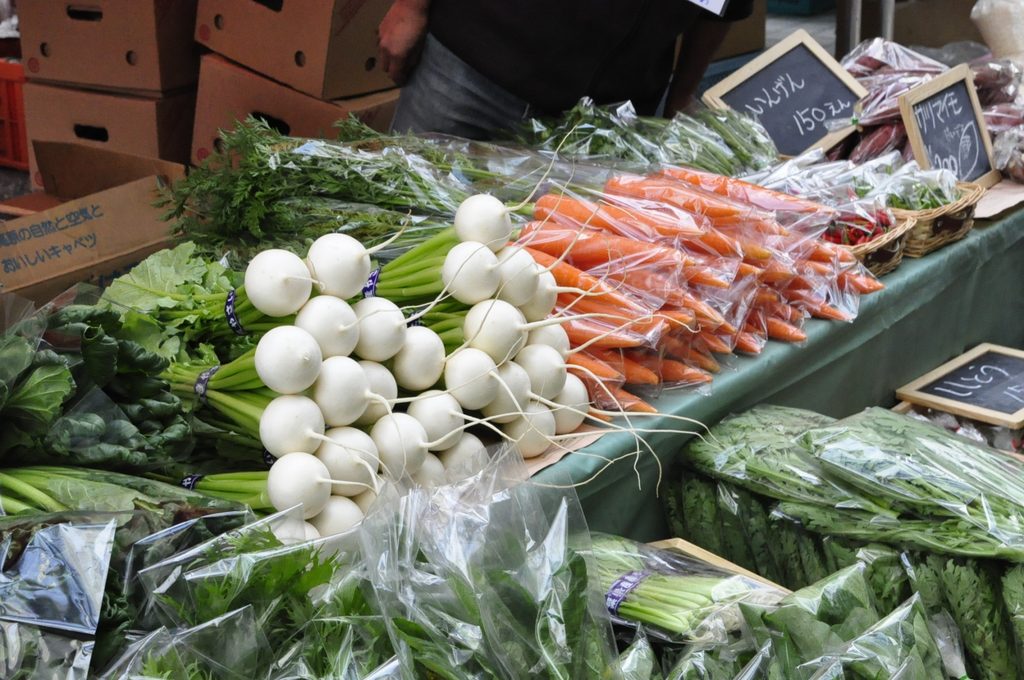
Look for foods that are simply normal in that region
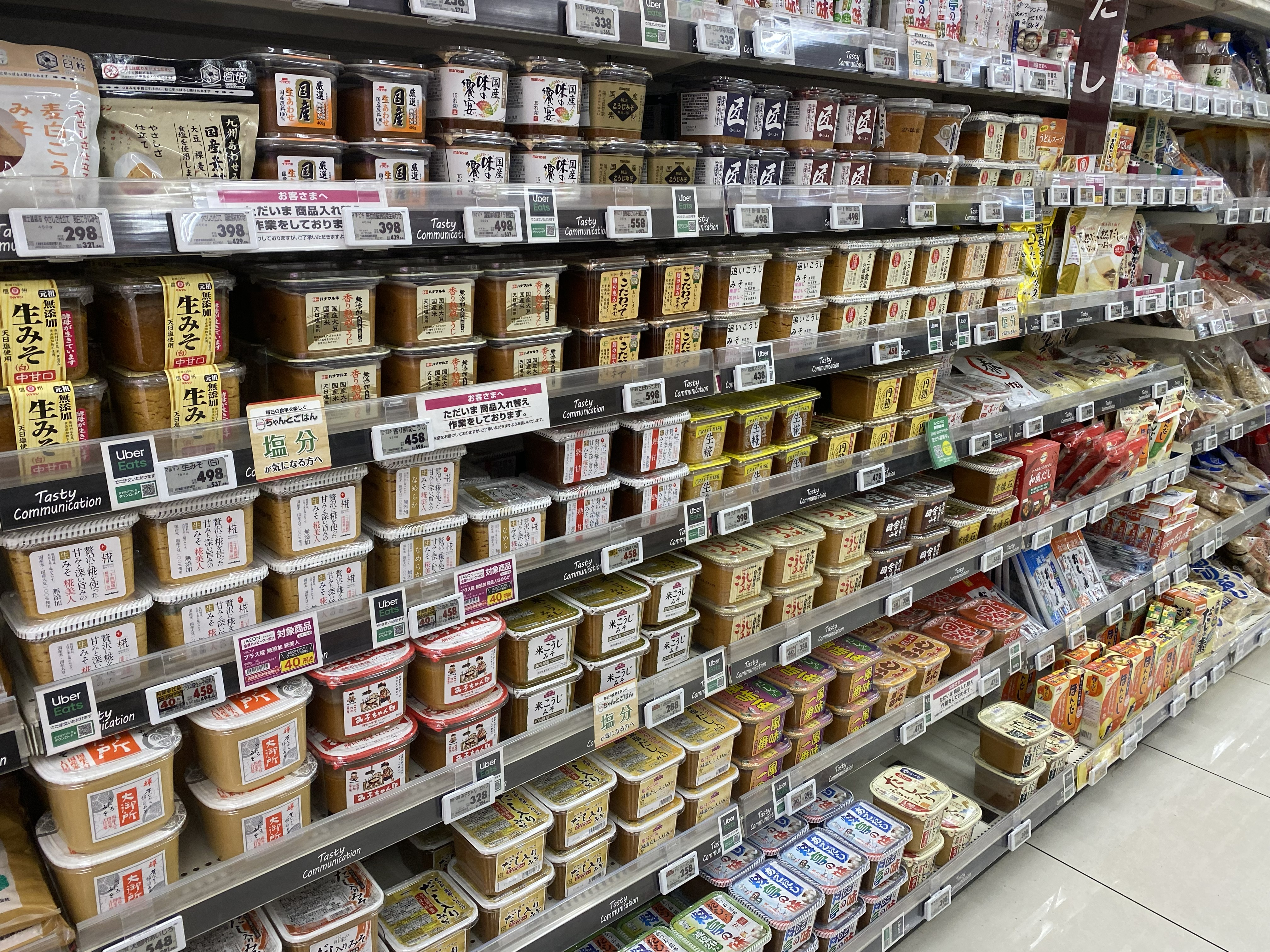
Japanese supermarkets carry plenty of nationwide brands, but regional differences still matter. Local miso and soy sauce, noodles, pickles, sweets, and seafood products may all vary depending on where you are.
Some of these foods are not promoted as famous souvenirs at all. They are simply what local people have been eating for years, and they are not always gathered under a large “Local Products” sign. Sometimes the most interesting regional item is sitting quietly among ordinary products on an ordinary shelf.
Instead of asking only, “What souvenir is this place famous for?” try asking, “What do people who live here actually buy?” That question can lead to some of the best small discoveries of a trip.
Do not skip the snack aisle
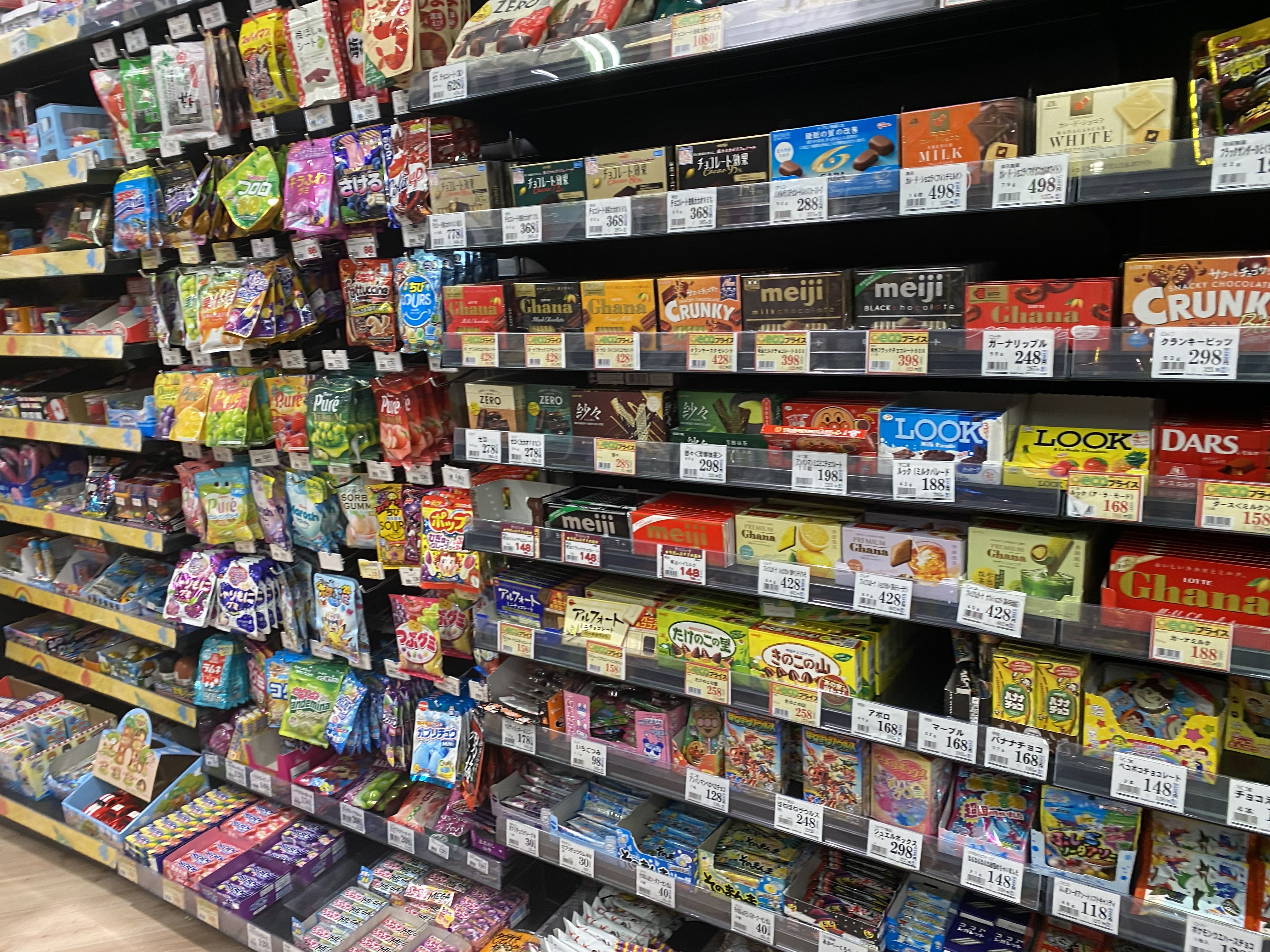
The snack aisle is another easy place to explore. You will find rice crackers, yokan, candy, chocolate, chips, and many other snacks that people in Japan buy in everyday life. Depending on the season and region, limited-edition flavors and local products may appear as well.
Supermarket snacks are often more affordable than items sold in dedicated souvenir shops, so they can also be useful for casual gifts. Rather than choosing something designed specifically as a “Japan souvenir,” you might prefer to bring home a snack that people here actually buy for themselves.
If you plan to take food out of Japan, check the import rules of your destination country first, especially for products containing meat or other restricted ingredients.
A few practical things to know

Checkout systems vary from store to store. Some supermarkets use staffed registers, some use self-checkout, and others use a semi-self-service system in which a cashier scans your items but you pay at a separate machine. Plastic shopping bags are usually not free, so you may need to purchase one at checkout. If you buy a bento or prepared food, you may also be asked whether you need chopsticks.
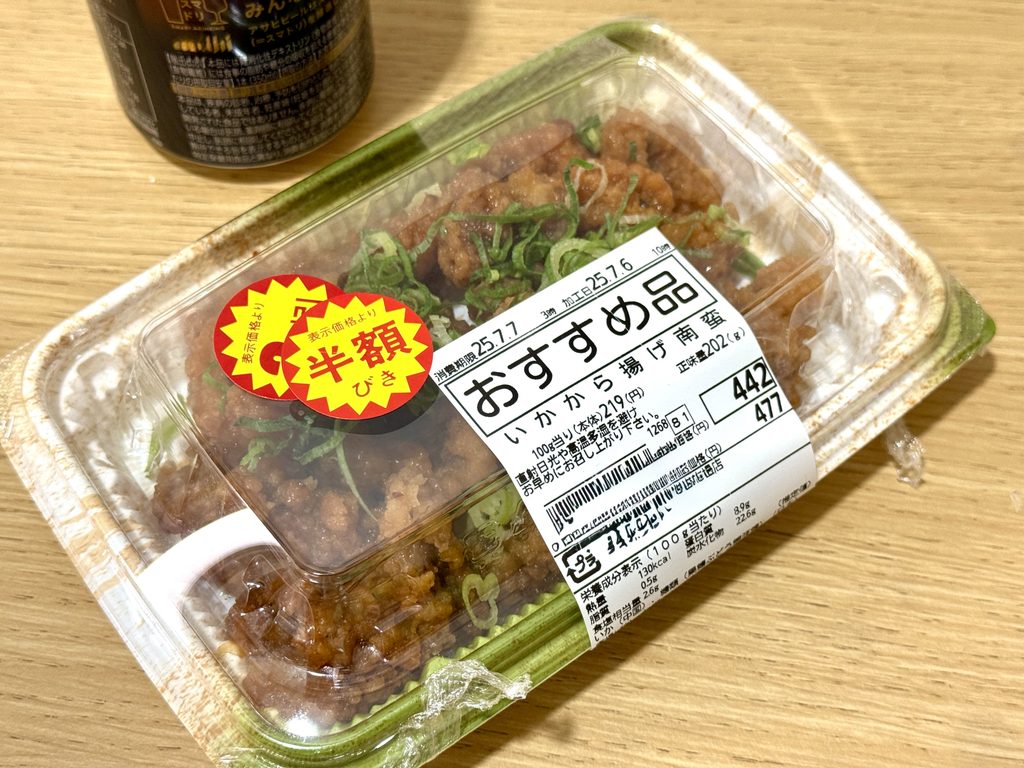
Later in the day, some supermarkets discount bento and prepared dishes with stickers. There is no universal schedule, however, and the timing and amount of the discount depend on the store and the day.
Photography is another point to keep in mind. Some Japanese supermarkets do not allow photos inside the store, so always check the rules before taking pictures.
See Japan somewhere that is not a sightseeing spot
There is no need to build your itinerary around visiting a supermarket. If you happen to pass one near a station or on the way back to your hotel, step inside for a few minutes.
Eating famous dishes is one way to learn about Japan. But so is standing beside someone choosing tofu for dinner, choosing fish for dinner, or adding one small prepared dish to a shopping basket.
A supermarket offers a brief chance to see a side of Japan that exists beyond sightseeing—the ordinary rhythm of what people eat, buy, and bring home every day.