Japan is, in many ways, an easy country to travel around. Public transportation is usually reliable, convenience stores are everywhere, and clean restrooms are easy to find at stations, shops, and major sightseeing areas. Eating alone is common, and visiting museums, temples, shrines, or cafés by yourself rarely feels unusual.
But Japan’s convenience does not mean that everything is available everywhere. Once you leave the major cities, buses may run only once an hour. Public trash bins can be surprisingly hard to find. Free Wi-Fi is not always available or reliable, and English may be widely used in one place but barely visible in another.
Whether a trip to Japan feels comfortable often depends on more than practical convenience. The light, air, and colors change with the seasons. Public spaces tend to be quieter than many visitors expect. Even when people do not share the same language, small gestures of courtesy can make an interaction feel much easier. This article is not a list of rules to memorize. It is a guide to what traveling in Japan actually feels like — and to the small things that can make the country easier to understand once you are here.
Japan Changes With the Seasons
Japan can feel like a different country depending on the time of year. The same street can look and feel completely different in winter and summer. Temple gardens, riverside paths, old shopping streets, and small neighborhood shrines all change with the season — not only in color, but in light, scent, sound, and atmosphere.
Spring — March to May
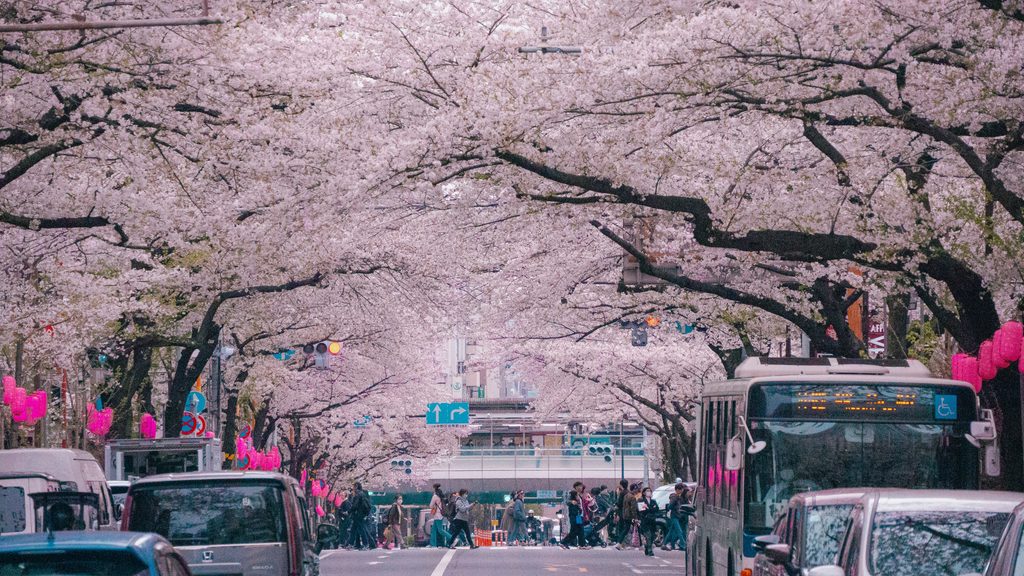
Spring in Japan is often associated with cherry blossoms. And yes, walking beneath trees in full bloom can be memorable. But spring in Japan is much more than sakura.
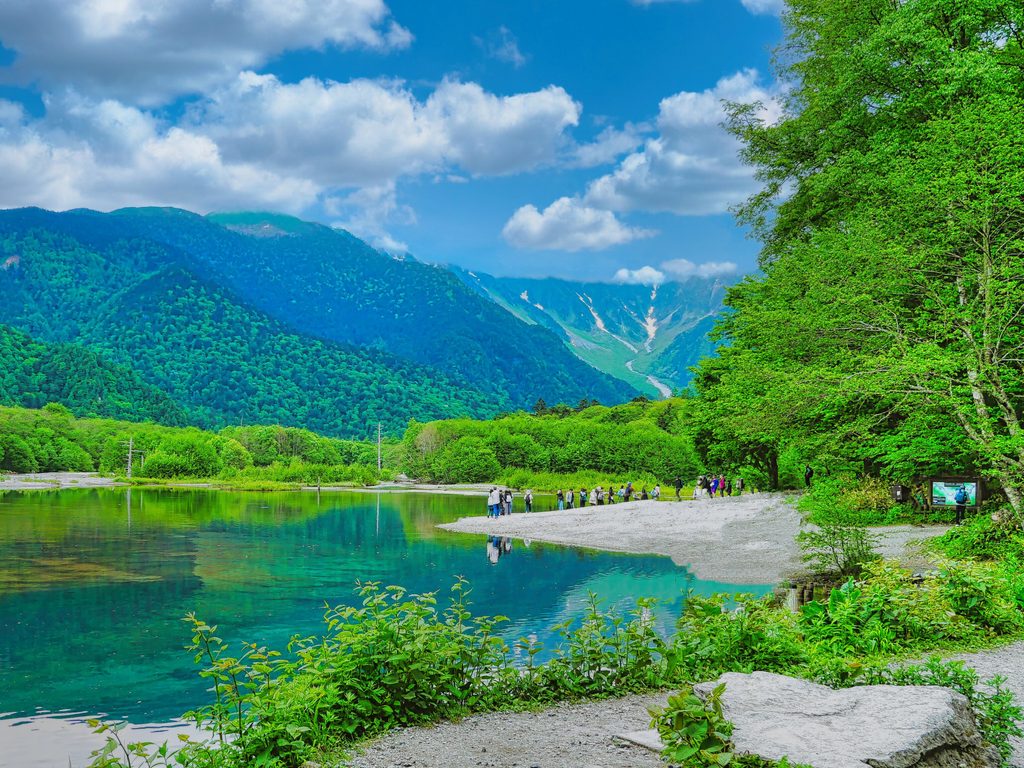
March can still feel cold. By April, flowers appear everywhere, and by May, the landscape has shifted into fresh, vivid green. The weeks after cherry blossom season are often overlooked in travel photography, but they can be some of the most pleasant times for walking and exploring.
Famous cherry blossom spots can become very crowded. But you do not need to visit a major viewing destination to experience spring. A riverside path in a residential neighborhood, a small temple garden, or even a single tree in a local park can be enough. Part of the beauty of spring in Japan is not only the flowers themselves, but the sense of color slowly returning after winter.
Summer — June to September
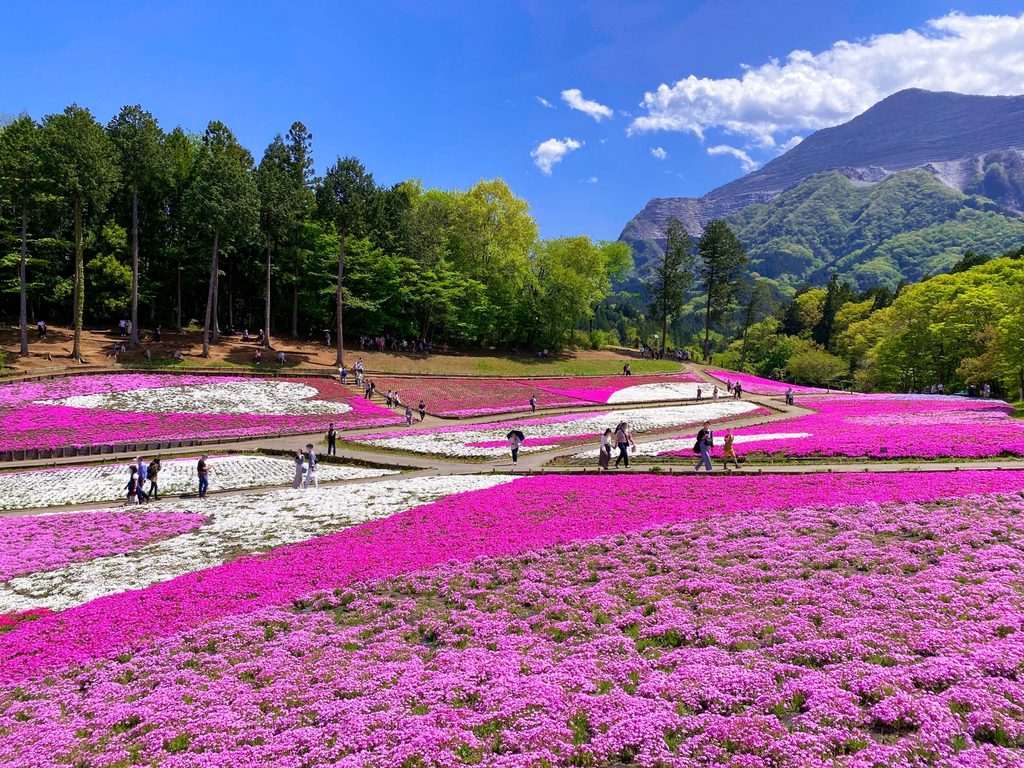
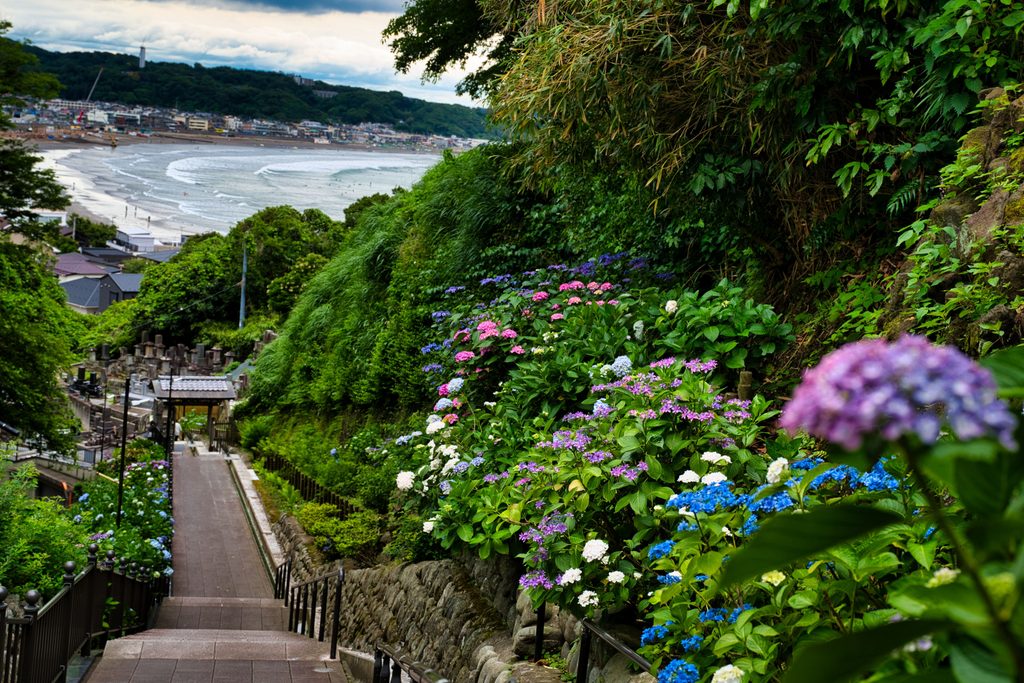
Early summer brings the rainy season to much of Japan. Humidity rises, but rain also deepens the colors of moss, stone paths, gardens, and trees. In some places, walking with an umbrella through the rain can be part of the experience rather than something to avoid.
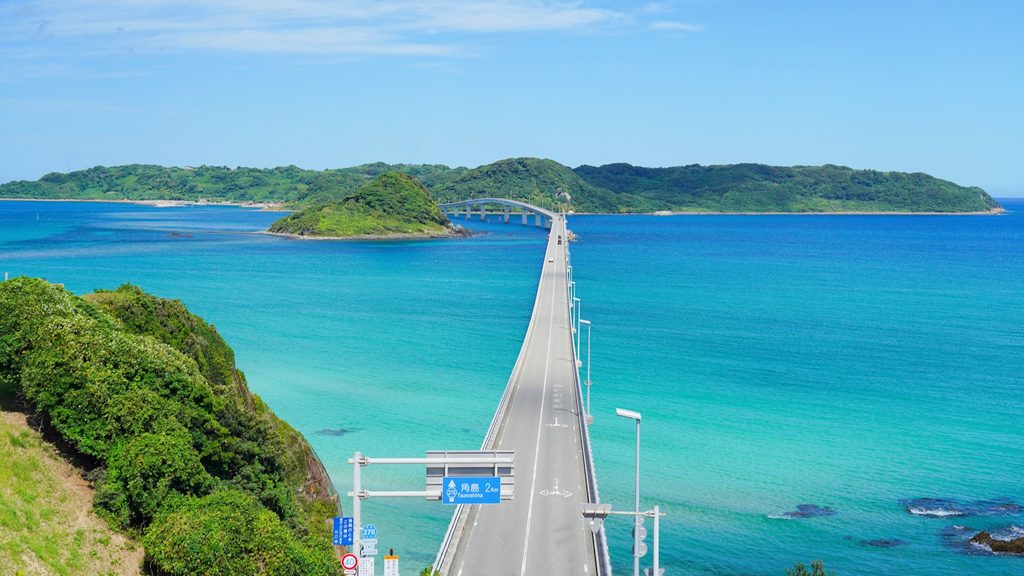
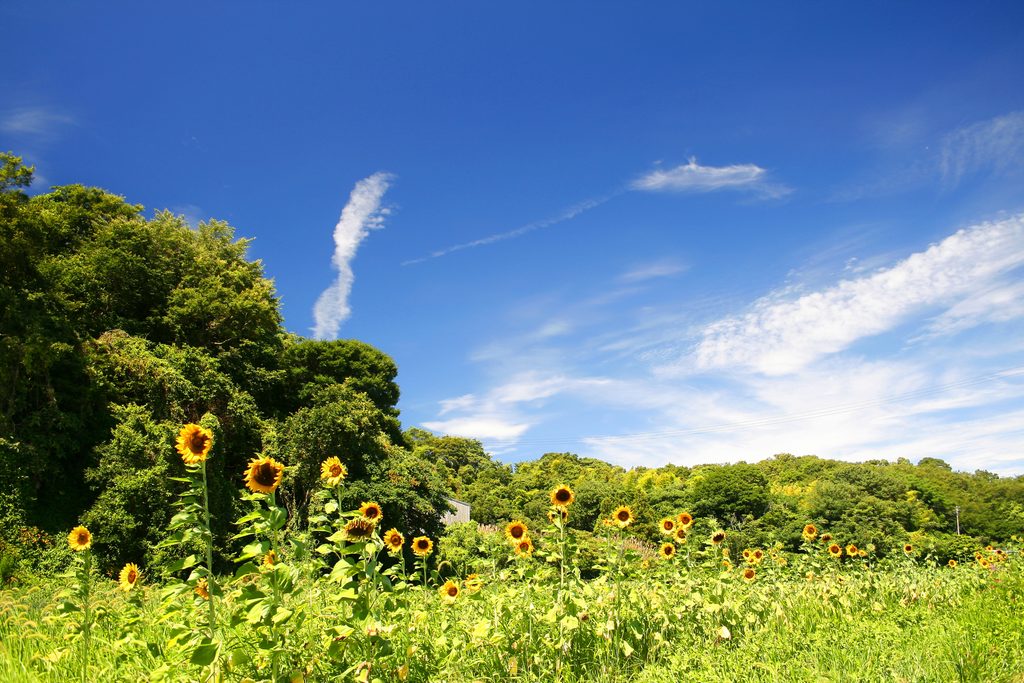
From July into August, the heat and humidity can become intense. Long days of walking can be far more tiring than many first-time visitors expect. At the same time, summer has its own pleasures: festivals, fireworks, cool mountain areas, rivers, waterfalls, and early mornings at temples and shrines.
If you visit Japan in summer, it helps to slow down a little. Start early, avoid overloading your schedule, and build in time to rest indoors. September can still be hot, and late summer through early autumn also falls within Japan’s typhoon season. If your trip involves long-distance travel, checking the weather forecast becomes especially important.
Autumn — October to November
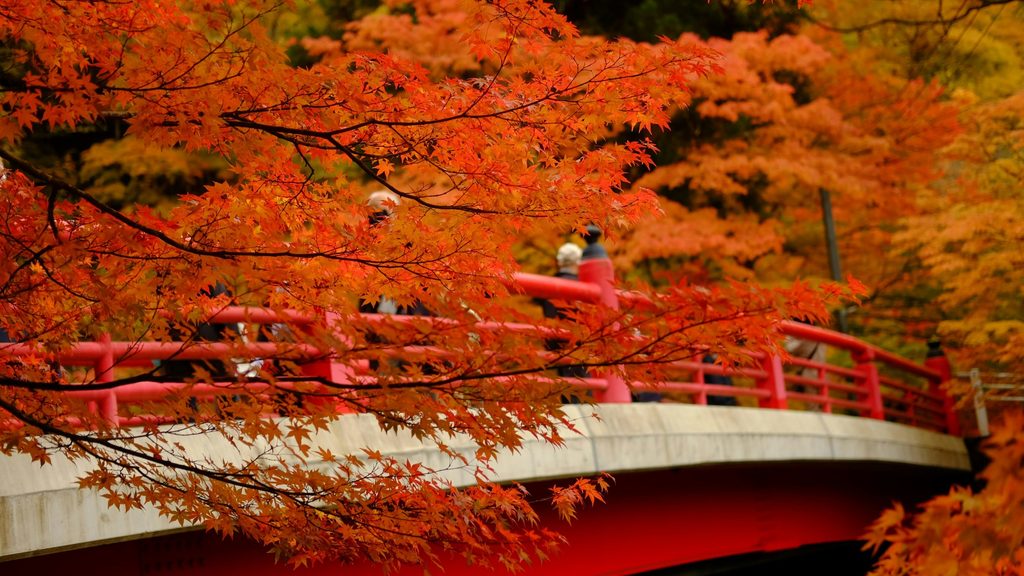
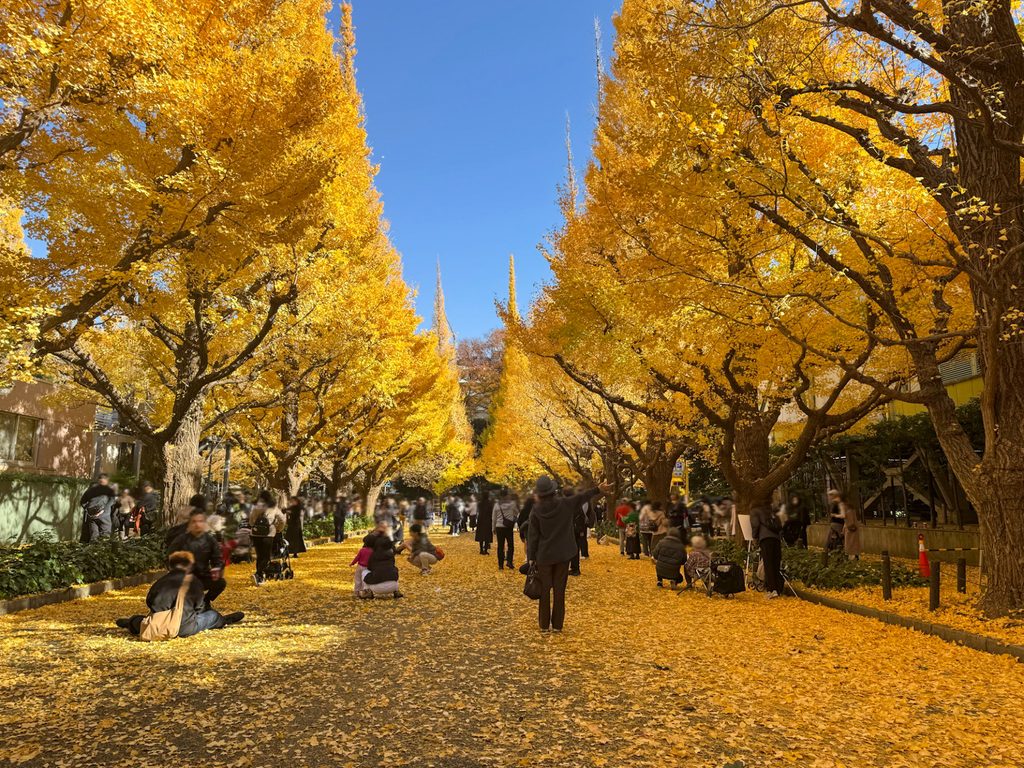
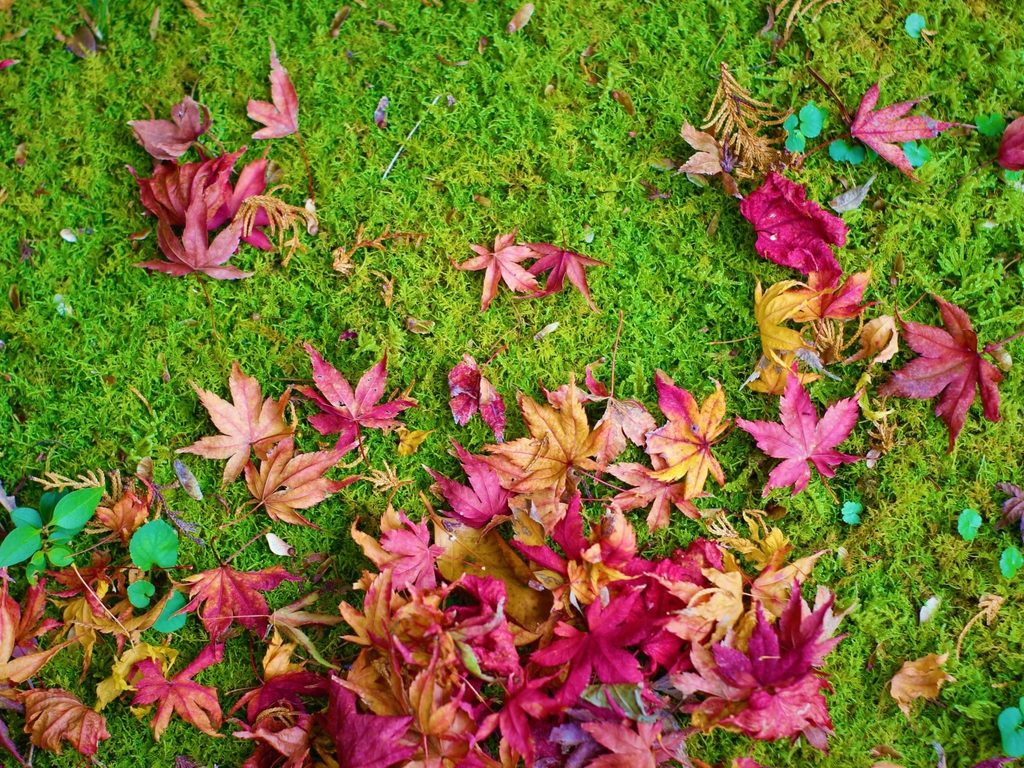
Autumn is one of the most comfortable seasons for exploring Japan on foot. The summer humidity begins to fade, and the air feels lighter. In many places, October is still mostly green. By November, trees in mountains, gardens, temple grounds, and city parks gradually turn red and gold.
Famous foliage destinations can become very crowded, especially in places such as Kyoto. But beautiful autumn color is not limited to famous gardens. Local shrines, parks, riversides, and small mountain towns can be just as rewarding.
Rather than chasing only the best-known foliage spots, there is something quietly satisfying about noticing a tree just beginning to turn in the light of that particular day.
Winter — December to February
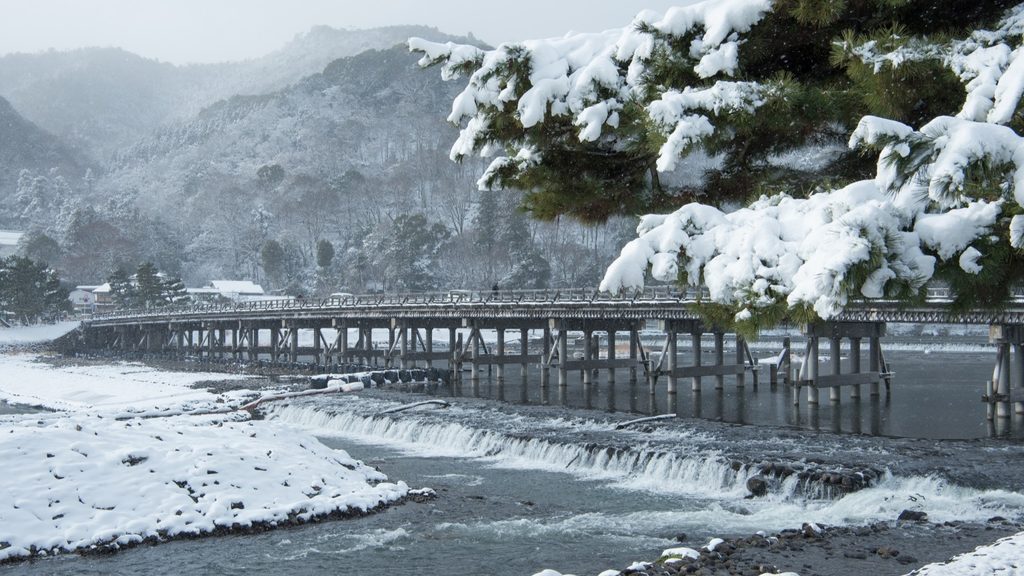
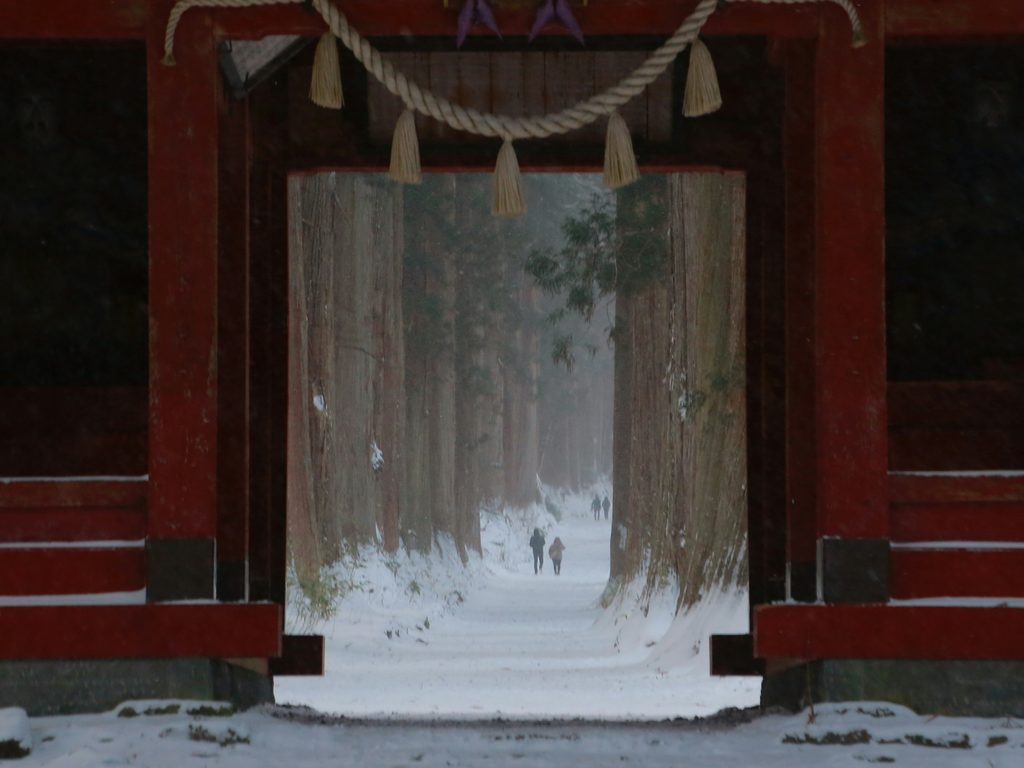
Winter looks very different depending on where you are in Japan. In Hokkaido, along the Sea of Japan, and in mountain regions, snow can accumulate deeply. On the Pacific side, including places such as Tokyo and Shizuoka, winter often brings dry air and many clear days.
It is also a season when much of the color seems to fall away from the landscape. Trees lose their leaves, and towns can appear quieter and more subdued. There is less visual drama than in spring or autumn, but old streets, temple grounds, and traditional buildings often feel especially clear and still in the cold air.
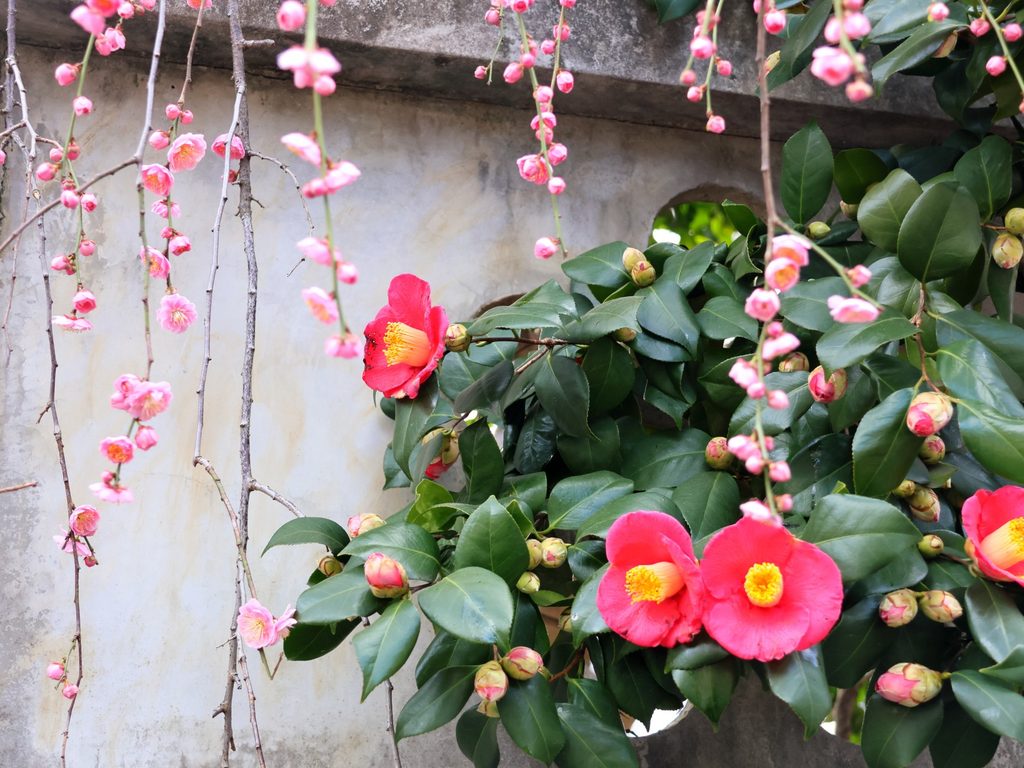
As winter begins to loosen its grip, plum blossoms start to appear in warmer parts of the country. They do not transform the landscape as dramatically as cherry blossoms do, but up close, plum blossoms have a distinct sweet fragrance. To see small blossoms opening against bare winter branches — and to notice their scent before the rest of the landscape has changed — can feel like the first quiet sign of spring.
What Japan Has — and What It Doesn’t Always Have
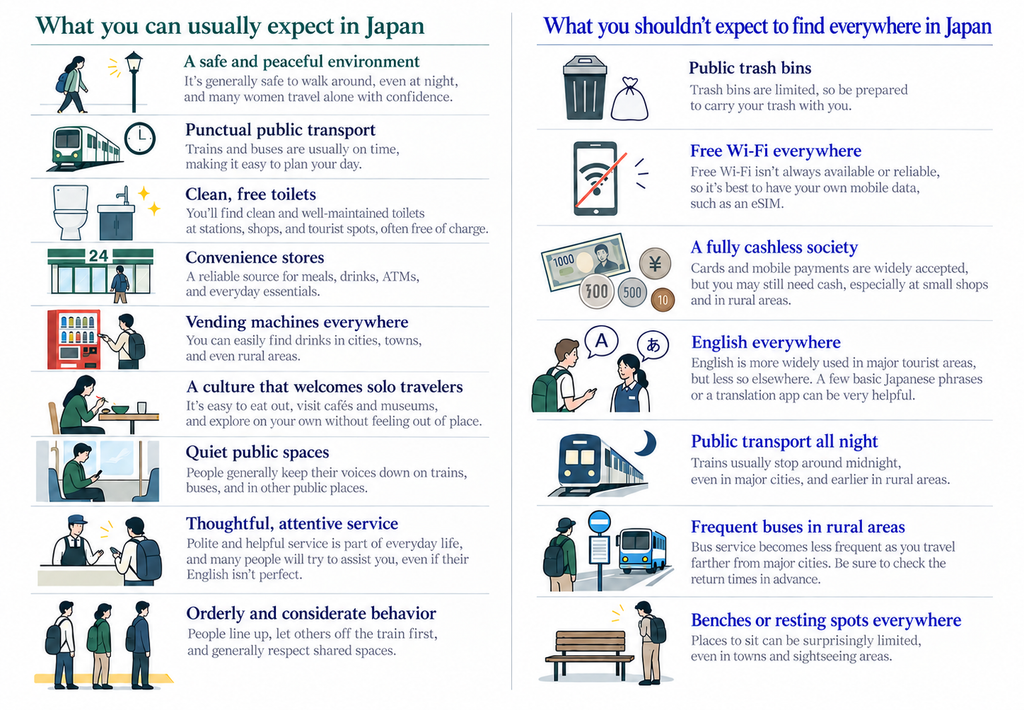
Japan offers travelers many things that make everyday travel easier. Clean restrooms, reliable transportation, convenience stores, and vending machines selling drinks are widely available. Traveling alone is generally easy, and many public spaces feel calm and orderly.
At the same time, some things visitors may expect to find everywhere are not always easy to come by. Public trash bins can be limited. Free Wi-Fi may be patchy. Public transportation does not run all night, and local buses may be infrequent outside major cities. Cashless payments are widespread, but some smaller businesses and places in rural areas still require cash.
Once you understand these differences, Japan makes more sense not as an inconvenient country, but as a place where convenience works a little differently.
Quietness Is Part of Everyday Life
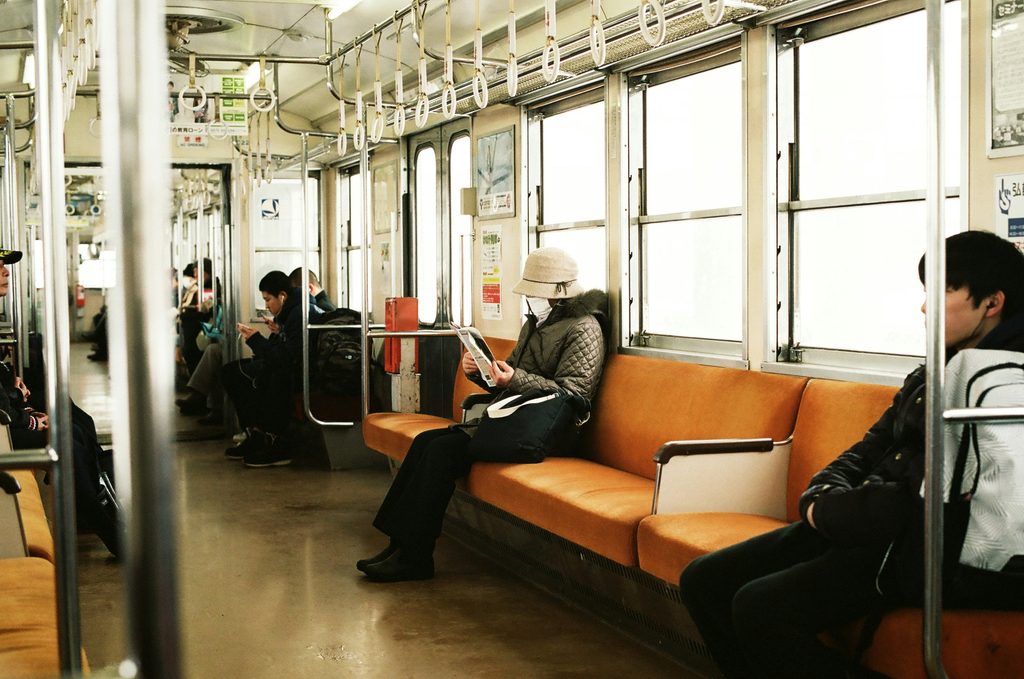
One of the first things some visitors notice on trains and buses in Japan is how quiet they can be. Of course, Japan is not silent. Stations can be crowded, entertainment districts can be lively, and families and friends talk just as they do anywhere else.
Still, there is a strong shared sense that people should be mindful of how much noise and space they take up in public. People tend to lower their voices on trains, avoid making phone calls, line up, let passengers get off before boarding, and try not to block narrow spaces with luggage. Each habit is small, but together they create the calm atmosphere that many travelers notice.
Visitors are part of that shared space too. When speaking English, it can be easy to assume that no one nearby understands what you are saying. But some people may understand more English than they feel comfortable speaking. Loud conversations — especially complaints about Japan or the people around you — may be understood by more people than you expect.
There is no need to feel self-conscious. Simply remember that you are sharing a space with people who live there. That small awareness is usually enough.
Communication, Courtesy, and a Little Japanese
How much English you can use in Japan depends greatly on where you are and who you are speaking with. In major destinations such as Tokyo and Kyoto, English-language signs and tourist information are common. In smaller towns, local shops, and some bus stops, you may encounter very little English at all.
Some Japanese people can read English or understand simple spoken English but feel much less confident speaking it. That means a person may hesitate when approached suddenly in fast English — even if they understand part of what you are saying.
Starting with a simple “Sumimasen” (excuse me) or “Konnichiwa” can change the tone of the interaction. Then speak slowly and keep your English simple. If that does not work, a translation app or showing a place name or address on your phone is often enough. You do not need perfect Japanese. What matters is showing that you are willing to make communication easier for the other person too.
In shops, hotels, and restaurants, you may often receive very polite service. Rather than taking that kindness for granted, a simple “Arigato,” a smile, or a small bow can make the exchange feel much more natural. When words are limited, courtesy often travels surprisingly well.
Japan Is Comfortable for Solo Travelers
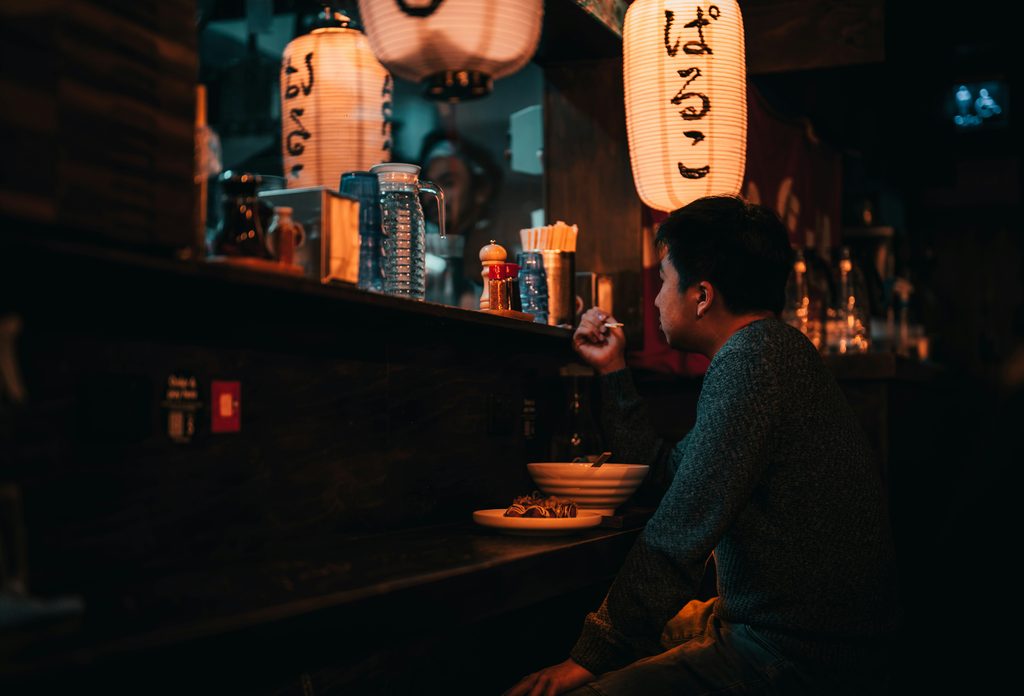
Japan is a relatively easy country to explore alone. In addition to its generally low level of violent crime, solo dining is completely normal, and spending time alone in public does not usually attract attention.
Restaurants often have counter seating for one person. People sit alone in cafés, visit museums by themselves, and walk through temples and shrines at their own pace. Women traveling, eating, and sightseeing alone are also a common sight.
That does not mean every place is completely risk-free. Basic precautions still matter, especially late at night or in quiet areas. But there are relatively few situations where being alone makes you feel out of place.
You can walk through a garden at your own pace, step into a small shop because it caught your eye, or decide to stay in a town a little longer than planned. The kind of travel A Quieter Japan is about can often be especially enjoyable when you are free to follow your own rhythm.
Convenient — But Not Always in the Way You Expect
Japan is often described as extremely convenient, but its convenience comes with a few surprises.
Trash
Japan’s streets can be very clean even though public trash bins are surprisingly limited. If you cannot find a bin, the usual expectation is that you carry your trash with you and dispose of it later, often at your accommodation. A small bag for trash can be unexpectedly useful on long days out.
Cash
Credit cards, transit IC cards, and mobile payments are widely accepted. Even so, some small restaurants, local shops, temples, shrines, and rural businesses still accept cash only. Even if you are staying mainly in large cities, it is a good idea to carry a small amount of cash.
Wi-Fi and mobile data
Free Wi-Fi is available at many hotels, stations, cafés, and public facilities, but it is not something you should rely on everywhere. If you use maps, train route searches, and translation apps throughout the day, having your own mobile data connection can make travel much easier.
Trains and buses
Public transportation is extremely convenient in major cities, but service becomes less frequent as you travel farther into regional Japan. Local buses, in particular, may have long gaps between services.
Do not check only how to get somewhere. Check the return bus or train before you leave.
Even in large cities, trains do not run all night. If you plan to stay out late, check the last train time in advance.
For more detail on boarding, paying, and getting off local buses, see How to Ride Local Buses in Japan: A Simple Guide for First-Time Riders.
Places to sit
One thing that can be surprisingly hard to find in Japan is a place to sit. Even around stations and sightseeing areas, benches are not always as common as visitors expect. On long walking days, it can help to keep an eye out for cafés, rest areas, or other places where you can take a proper break.
Travel Gently
You do not need to memorize a long list of rules before traveling to Japan. You do not need to speak perfect Japanese, and you do not need to behave exactly like a local.
It is enough to adjust your pace to the season, notice the quietness of the space around you, look for ways to communicate when language fails, and remember that the places you are visiting are also part of someone else’s everyday life. Those small choices can make travel in Japan feel much easier and more natural.
Some of the moments you remember may not be the famous ones. They may be the time you spent waiting for a train, a rainy street, breakfast from a convenience store, a quiet shrine you happened to pass, or the person who patiently helped you find your way.
You do not need to rush to collect everything that looks “Japanese.” Walk a little more slowly, and the place itself may begin to show you what matters.