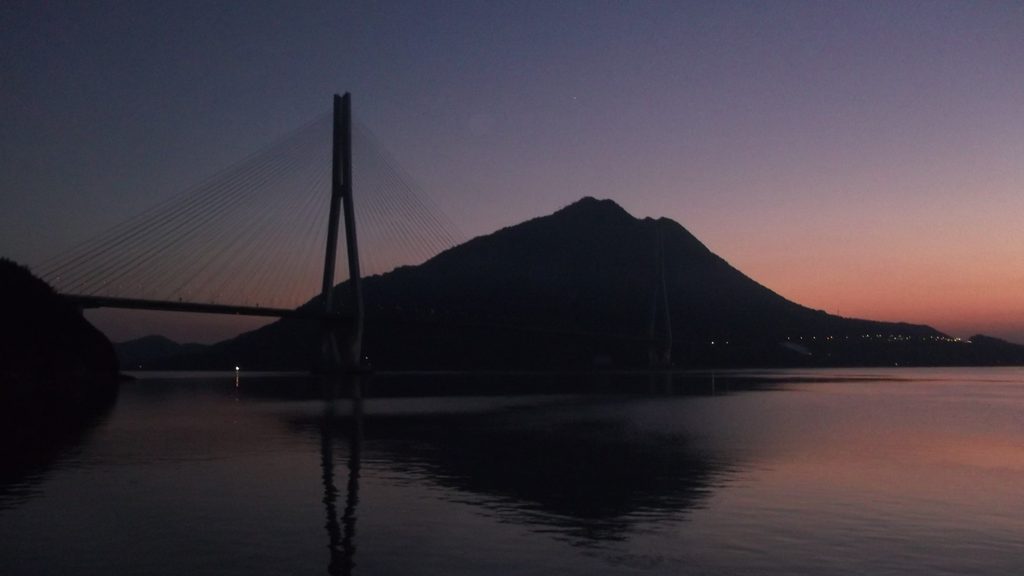
Onomichi is a town tucked between mountains and sea, where old houses, temple roofs, narrow lanes, and stone steps climb the hillsides above the water. Climb the hillside and turn around, and the Onomichi Channel appears beyond the tiled rooftops. Beyond it, islands of every size seem to float across the calm surface of the Seto Inland Sea.
This journey begins by looking out over that view from above. The next morning, you board a small boat and head out into that landscape. From Setoda on Ikuchijima, you switch to a bicycle and ride south with the quiet sea beside you.
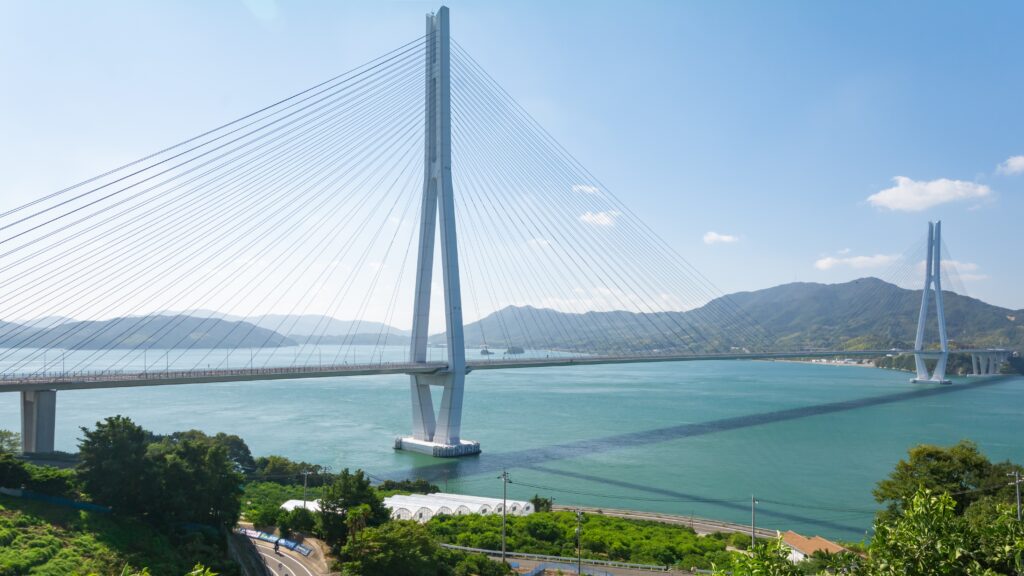
As Tatara Bridge rises beyond the lemon groves, the road carries you out over the water. Partway across the bridge, you leave Hiroshima Prefecture and enter Ehime. The full Shimanami Kaido cycling route stretches for about 70 kilometers, but this trip asks you to ride only about 9.
You look out over the sea from Onomichi’s hills, travel between the islands by boat, follow the shoreline by bicycle, and cross a great bridge under your own power. Once you reach Omishima, you stay for the night. At WAKKA, beside the sea, the pace slows again and the island becomes more than a place you simply pass through.
From town to sea, from boat to bicycle, and finally into the quiet rhythm of island life, this two-night journey draws you gradually deeper into the Seto Inland Sea.
Onomichi to Omishima at a Glance
| Location | Hiroshima Prefecture → Ehime Prefecture |
|---|---|
| Best for | Town walks, short-distance cycling, island travel, slow travel |
| Starting point | JR Onomichi Station / Onomichi Ekimae Pier |
| Ending point | Omishima, Ehime Prefecture |
| Duration | 2 nights / 3 days |
| Nights | 1 night in Onomichi + 1 night on Omishima |
| Cycling distance | About 9 km from Setoda to Tatara Shimanami Park |
| Main experiences | Onomichi hillside walk, boat ride, coastal cycling, Tatara Bridge, Omishima stay |
| Good to know | Rent a bicycle on Ikuchijima and return it on Omishima. |
Day 1 — Look Out Over the Sea You’ll Cross Tomorrow
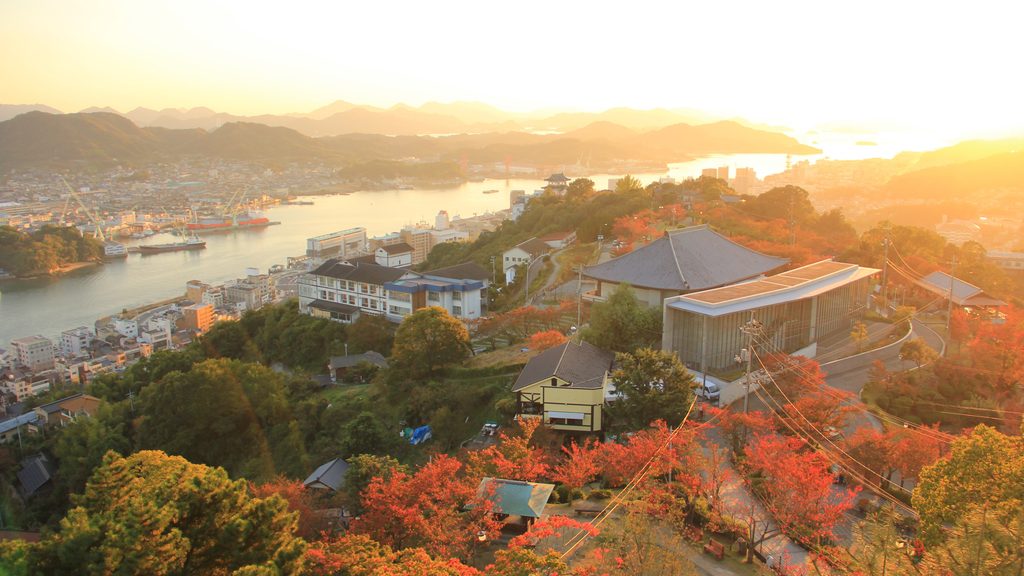
If this is your first time in Onomichi, Senkoji-yama is a good place to begin. From the hillside, the shape of the town comes into focus. The mountains rise immediately behind JR Onomichi Station, with temples and houses layered along the slopes. In the other direction lies the narrow Onomichi Channel, with Mukaishima just across the water and more islands beyond.
Tomorrow, you will be traveling out among them.
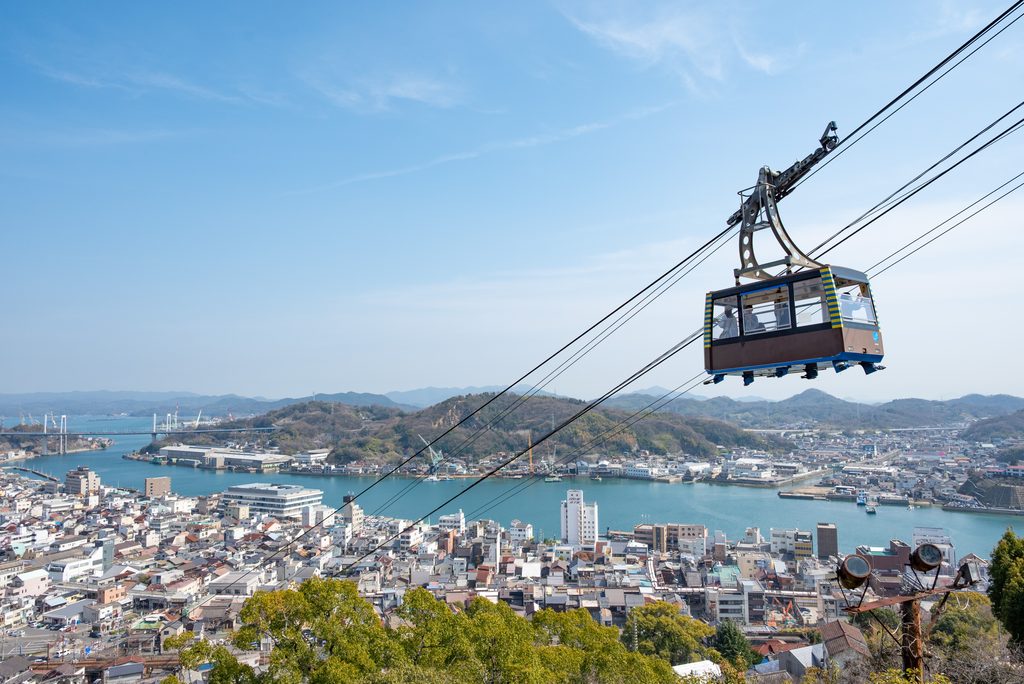
See the Town and the Sea from the Senkoji-yama Ropeway
Ride the Senkoji-yama Ropeway up from the city, and the Onomichi Channel gradually appears beyond the rooftops below. The channel is a narrow strait between central Onomichi on Honshu and Mukaishima. The opposite shore feels surprisingly close. At first glance, it can look almost like a broad river, but boats move through the water and the channel opens into the Seto Inland Sea beyond.
From the viewpoints in Senkoji Park, you can take in the town, the channel, Mukaishima, and the islands farther out in a single view. Once you know that tomorrow you’ll be heading out into that landscape, the view feels a little different.
Official website · Google Maps
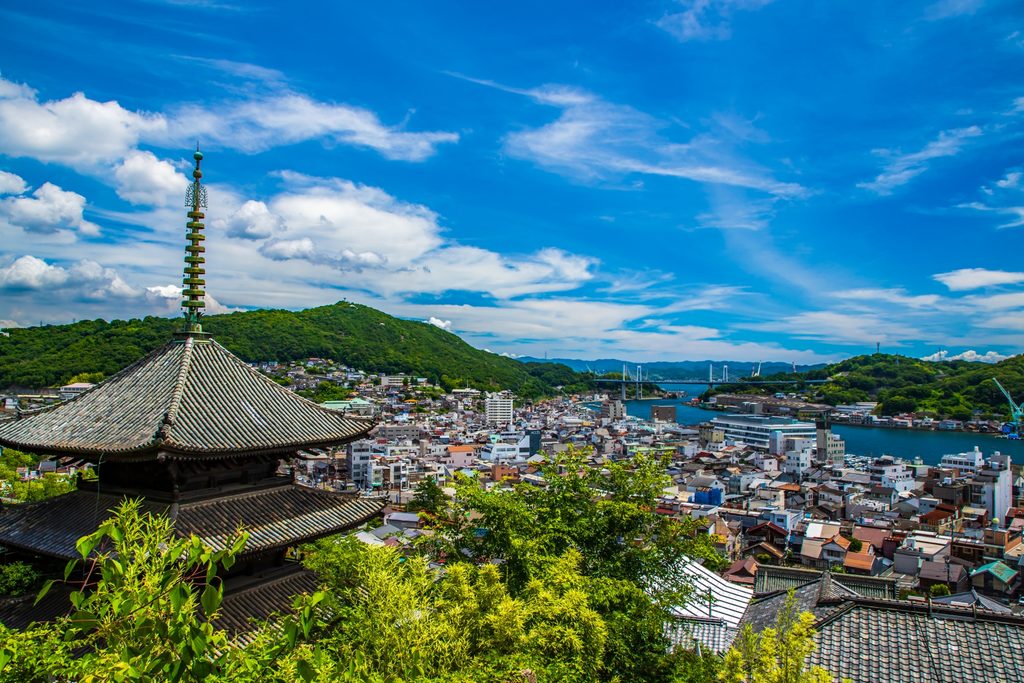
Rather than riding the ropeway back down, walk through Senkoji Temple and descend into town on foot. You gradually return to the streets you were just looking down on from above. Between stone steps, old walls, and tightly packed houses, glimpses of the sea appear unexpectedly through the gaps.
From the viewpoint, Onomichi is striking for its geography. On foot, it becomes a town of close-set houses, stone steps, and narrow passages.
Neko no Hosomichi Is About More Than Cats
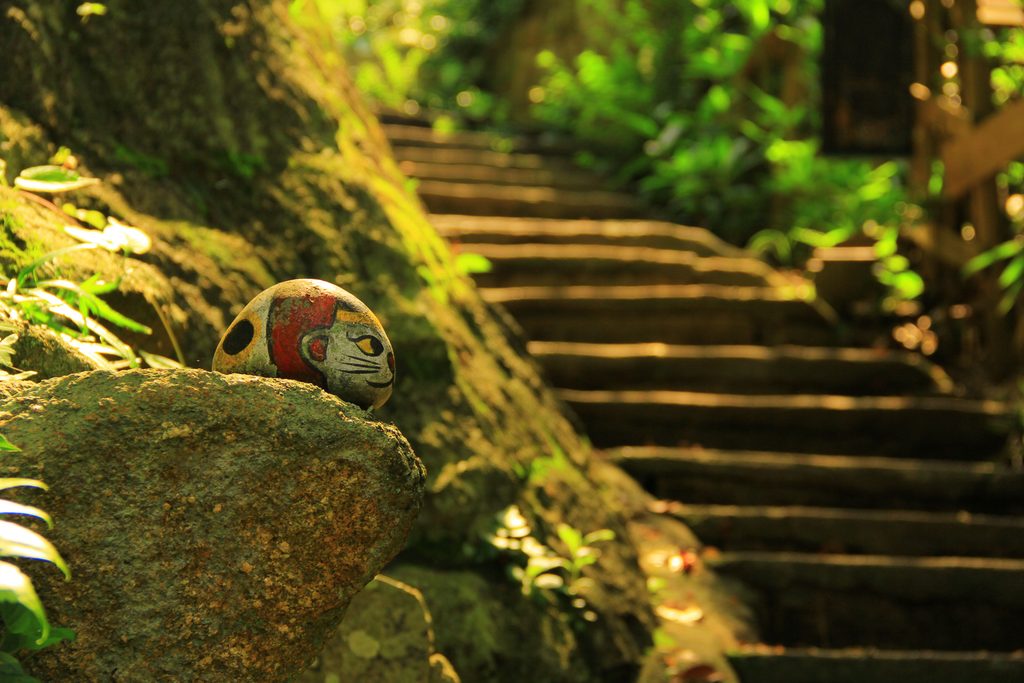
On the hillside below Senkoji is a roughly 200-meter lane known as Neko no Hosomichi, or Cat Alley. The name may make it sound like a place filled with cats, but that is only part of its appeal.
Small painted stone cats known as fukuishi-neko are scattered along the lane, while old buildings have been turned into tiny shops and galleries. The uneven steps and narrow passageways are as much a part of the atmosphere as anything you might find at the end. Whether you see an actual cat depends entirely on the cats.
Think of it as a small detour on the way back down from Senkoji-yama rather than a destination you need to rush toward.
Eat Onomichi Ramen After the Hills
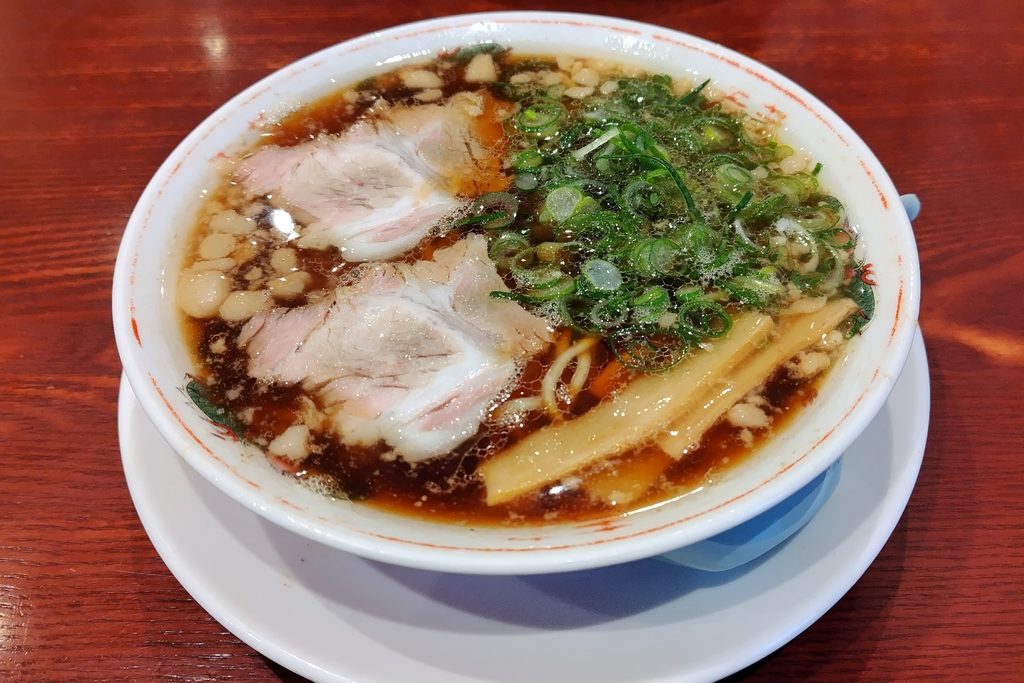
After walking Onomichi’s slopes, stop for a bowl of Onomichi ramen. The style is generally known for a soy sauce–based broth, fish-based dashi, flat noodles, and pieces of pork back fat floating on the surface.
It may look rich, but the flavor varies quite a bit from shop to shop. Some older places still simply call it chuka soba, or Chinese-style noodles. There is no need to choose one famous shop and build the whole day around it.
Come down from the hills, see what is open and how crowded it is, and stop for a bowl when the timing feels right. It works just as well for lunch as it does for an early evening meal.
Stay Near the Port, and Travel Light the Next Morning
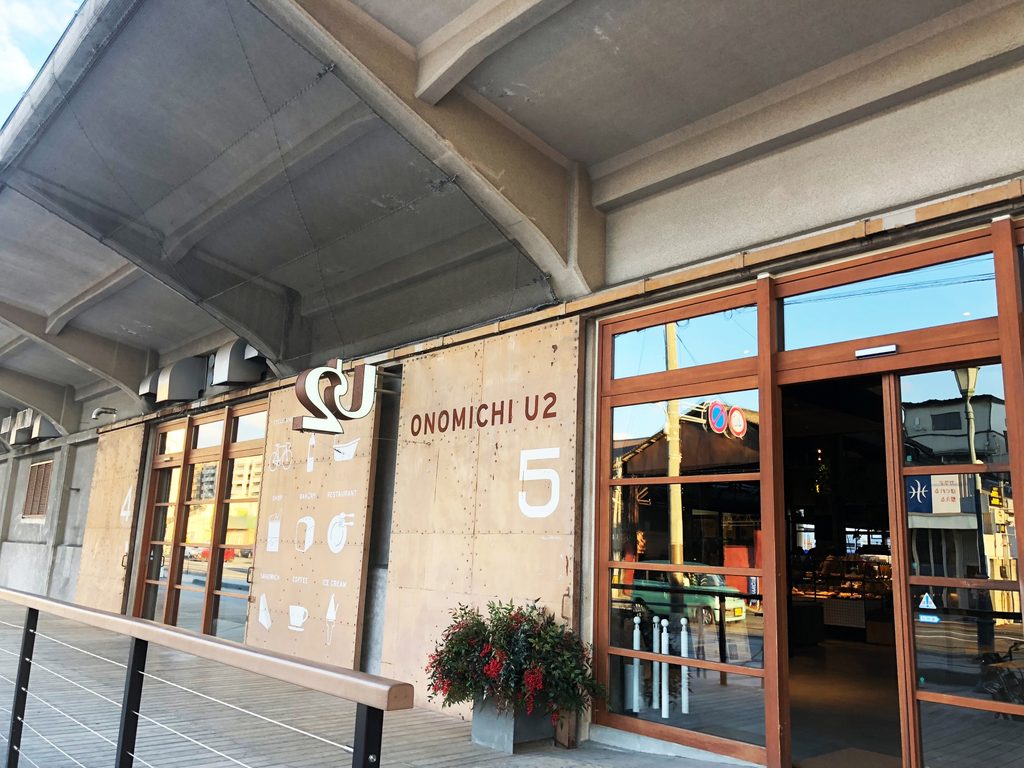
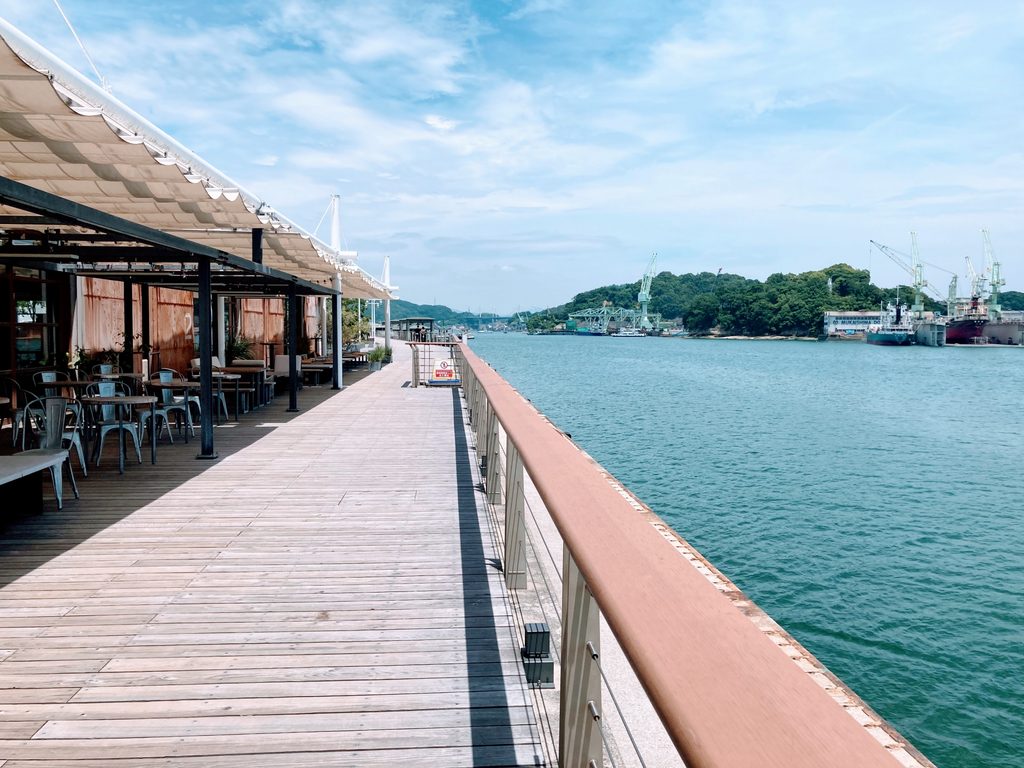
Because the boat leaves from the pier near JR Onomichi Station the following morning, staying near the station or waterfront keeps Day 2 easy. One option is ONOMICHI U2 / HOTEL CYCLE, a renovated waterfront warehouse that brings together a hotel, restaurant, shops, and cycling facilities in one building.
Official website · Google Maps
You do not need to bring your own bicycle for this trip. What matters more is keeping the next day light. Depending on the participating accommodations and current service conditions, same-day luggage forwarding may let you send your larger bag ahead and travel to the islands with only a small day bag.
For current details, see Sagawa Express’s Hands-Free Cycling service. Simply being able to leave the suitcase behind makes Day 2 feel much freer.
Day 2 — Take the Boat to Ikuchijima, Then Start Riding
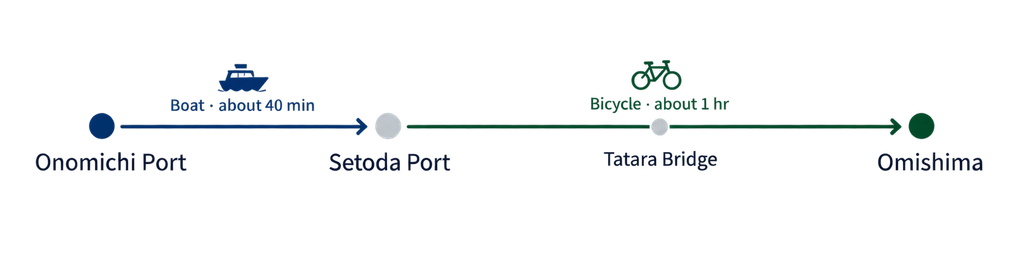
The next morning, board the boat from Onomichi Ekimae Pier and head for Setoda on Ikuchijima. As the boat pulls away, the streets you walked the day before begin to recede across the water.
Depending on the service, the boat may call at several small ports along the way as it threads between the islands. Seen from near sea level, the islands take on a different shape than they do from a bridge or a viewpoint above. At Setoda Port, it is time to switch from boat to bicycle.
Ride South Along Ikuchijima’s Western Shore
Rent your bicycle in Setoda, then follow the western and southwestern side of Ikuchijima. The rental system used for this route allows you to return the bicycle on Omishima, so there is no need to ride back to Setoda.
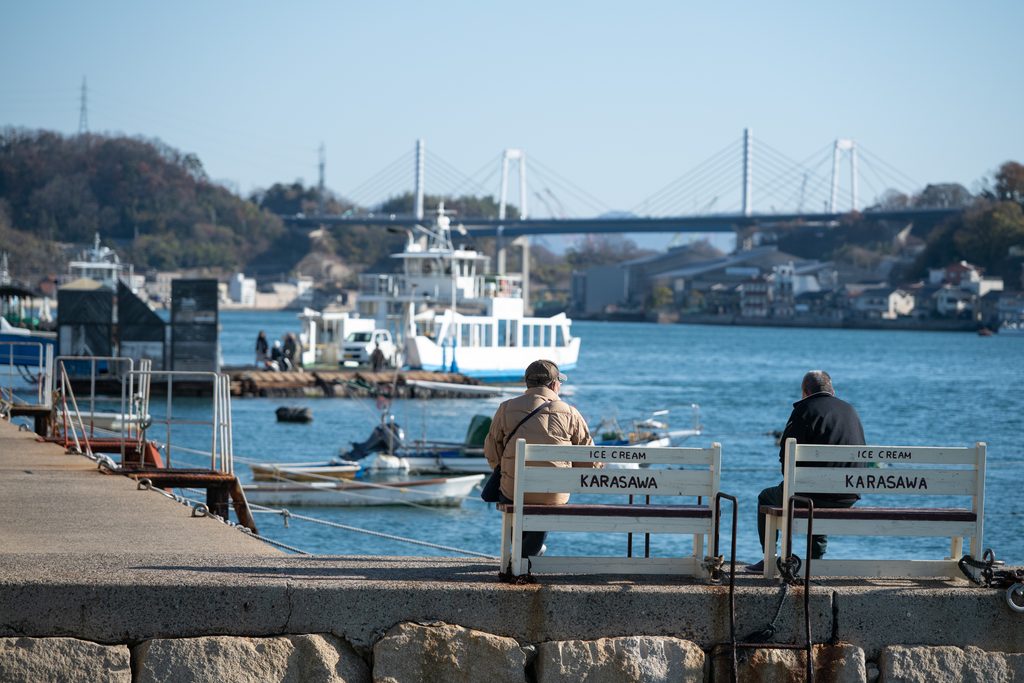
The sea stays close to the road, with other islands always in view beyond it. As you leave the town behind, buildings thin out and the balance shifts toward open water and sky.
An easy place to stop along the way is Setoda Sunset Beach. It is known for its evening light, but even in the middle of the day the beach opens out toward a broad, calm stretch of the Inland Sea.
Official website · Google Maps

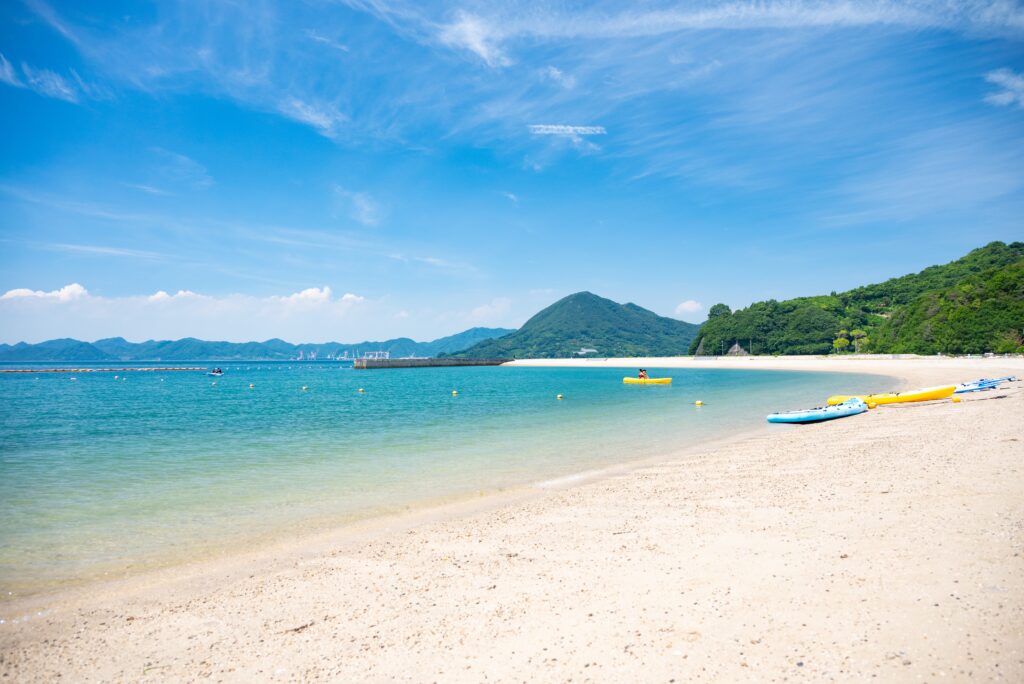
The ride is only about 9 kilometers. Because the distance is short, there is no reason to hurry. Stop when the view makes you want to stop. That slower pace suits this stretch of coast.
For current rental terminals and return conditions, check the official Shimanami rental cycle information before traveling.
Pause for Something Lemon-Flavored
Ikuchijima is known for citrus, especially lemons. As you ride south toward Tatara Bridge, citrus groves begin to spread across the slopes around Lemon Valley.
If a small café or shop is open along the way, this is a good place to stop before the bridge. A cold lemon drink is enough. So is a small lemon sweet. After riding beside the sea, tasting something grown on the island makes the place feel a little more specific, a little less like scenery you are simply passing through.
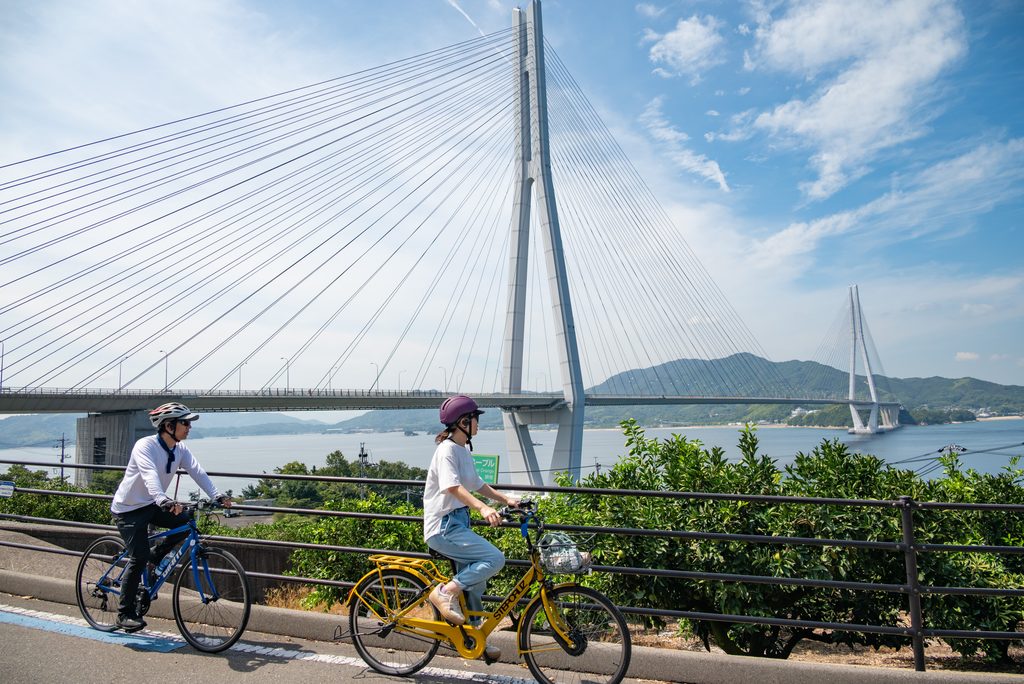
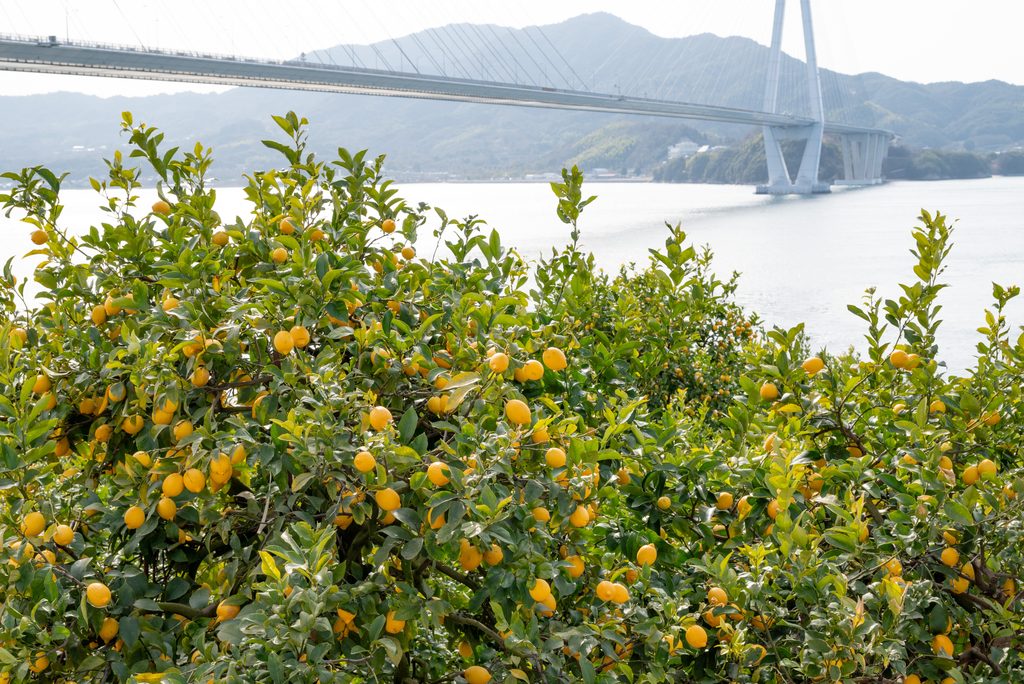
By the time you get back on the bicycle, Tatara Bridge is beginning to fill more of the view ahead. Until now, you have been following the shoreline. Next, you cross the sea itself.
Cross from Hiroshima into Ehime on Tatara Bridge
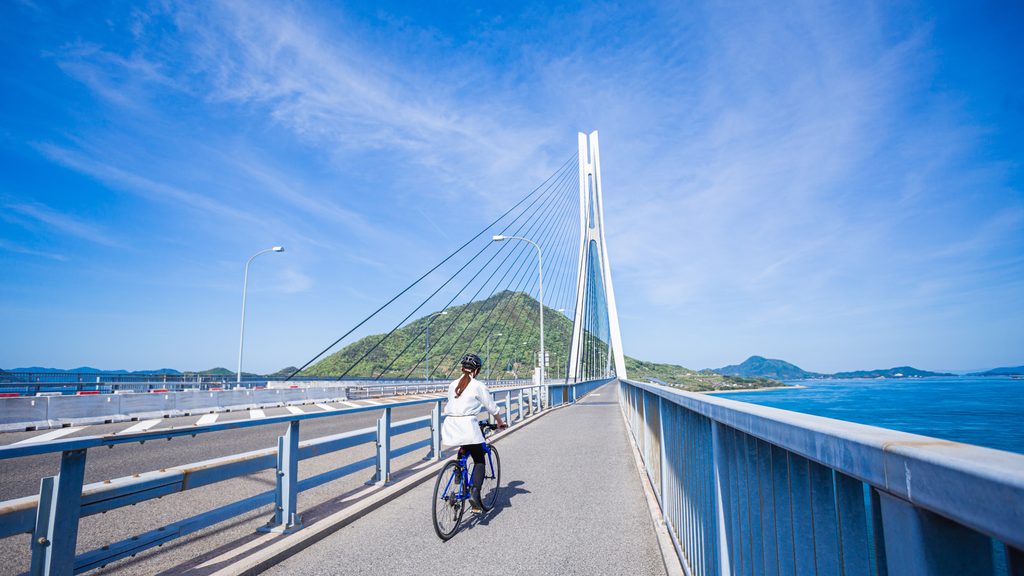

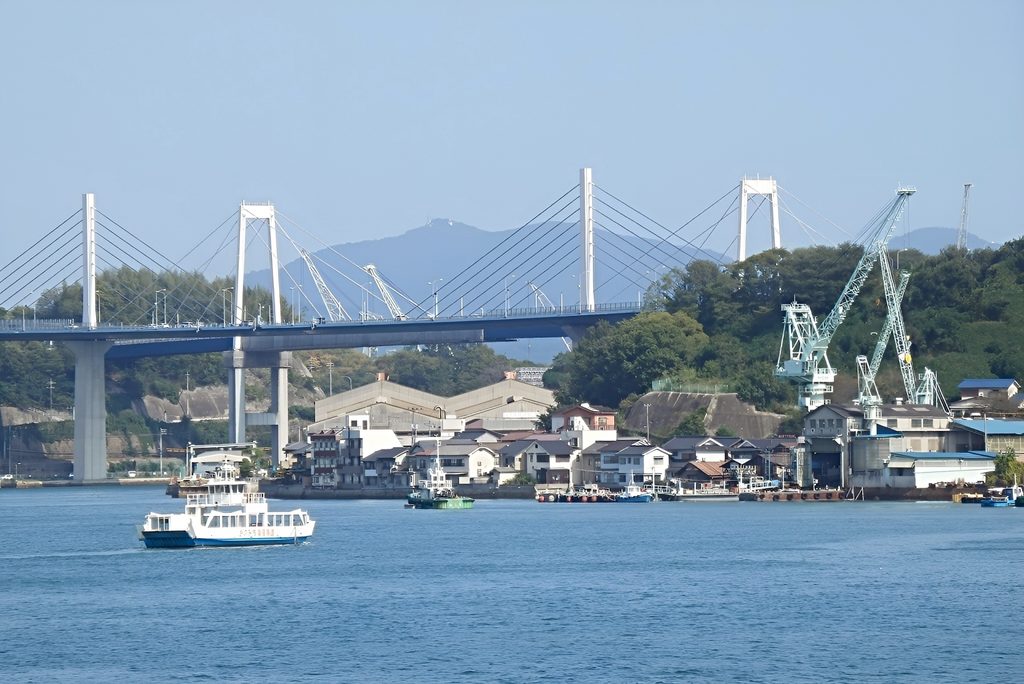
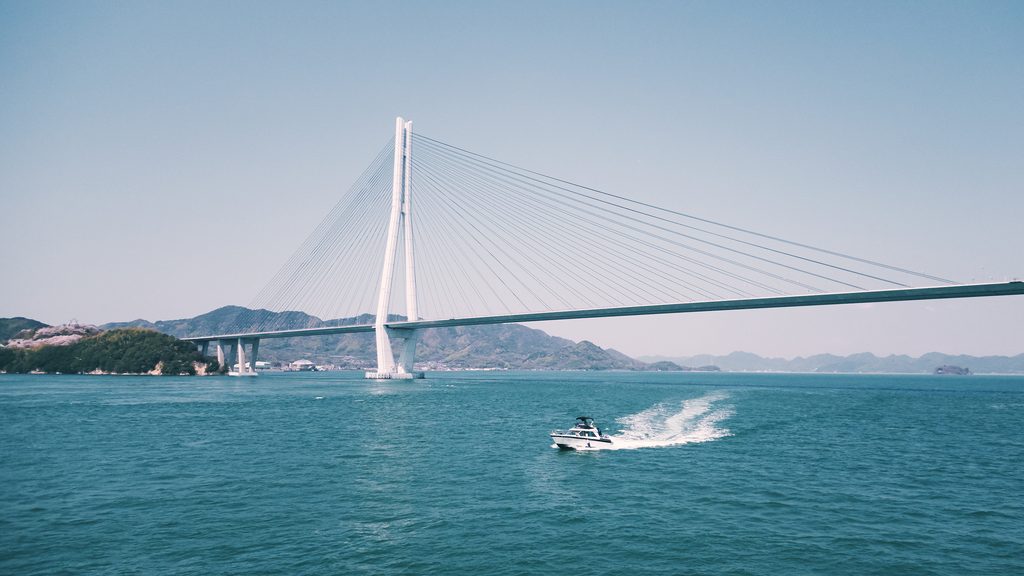
Tatara Bridge is a 1,480-meter cable-stayed bridge linking Ikuchijima and Omishima. There is some climbing before you reach the bridge deck, but once you are up there, the Seto Inland Sea opens on both sides.
By car, the crossing passes quickly. On a bicycle, you have time to notice how the islands and the water shift as you move forward. Partway across the bridge, you leave Hiroshima Prefecture and enter Ehime.
Ikuchijima is in Hiroshima. Omishima, on the other side, is in Ehime. You arrived among the islands by boat. Now you are crossing open water by bicycle, and somewhere along the bridge the prefecture changes beneath you.
More than anywhere else on this short ride, this is the moment that feels like an arrival.
Return the Bicycle on Omishima, Then Look Back at the Bridge
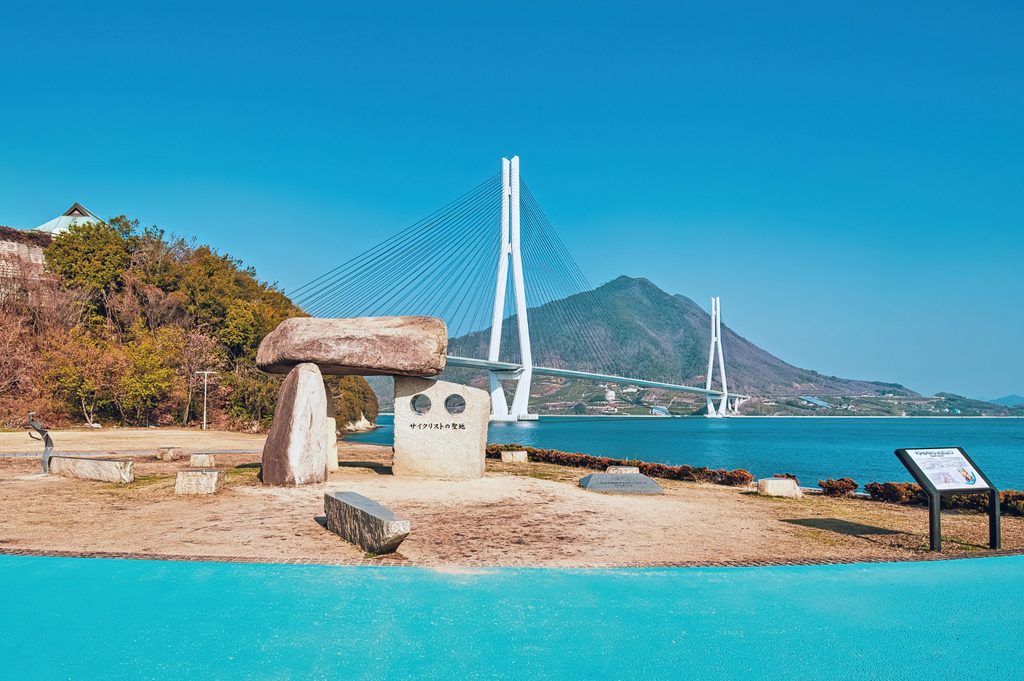
Once you reach the far side, you are on Omishima. Return the bicycle at Tatara Shimanami Park, near the foot of the bridge.
Official website · Google Maps
Before moving on, take a little time to look back. The bridge you were riding only moments ago is now part of the landscape, stretched across the water behind you.
The roadside station has shops and a restaurant, making it a natural place to stop for lunch or a break. Rather than treating it only as a bicycle return point, let it mark the end of the cycling part of the day.
After the Ride, Go a Little Deeper into Omishima
After returning the bicycle and having lunch, you can go a little farther into the island to visit Oyamazumi Shrine. From Omishima Bus Stop near Tatara Shimanami Park, the ride to Oyamazumi Shrine takes only around a dozen minutes. It is a short enough ride that it does not feel like another major journey after the bicycle ride.
Official website · Google Maps

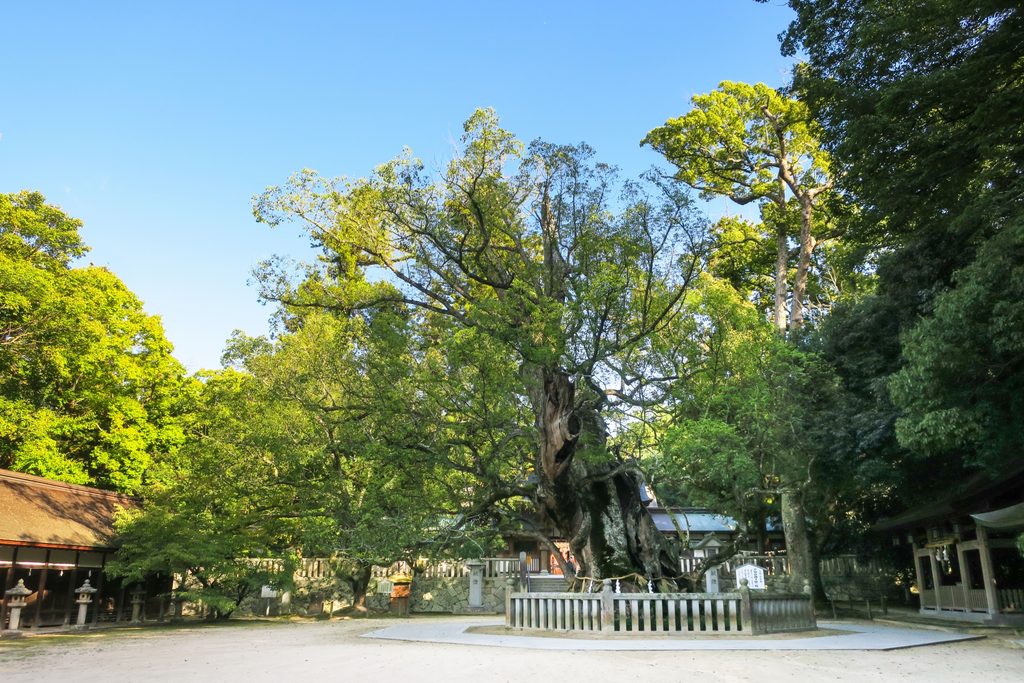
Located in Miyaura, Oyamazumi Shrine is an old shrine known as the head shrine of Oyamazumi and Mishima shrines throughout Japan. Its great camphor trees bring a different sense of time to the afternoon.
In the morning you were on a boat. At midday you crossed the sea by bicycle. Now you walk beneath old trees in the quiet shrine grounds. It does not interrupt the journey so much as gently slow it down.
If you want to visit the treasure hall as well, allow more time. But even a walk through the shrine grounds is enough to show another side of the island. After your visit, take the same local bus toward Inokuchi Port. From there, WAKKA is only a short walk away.
And if, after the ride, you feel that you have already done enough for the day, you can simply skip the shrine. With advance arrangements, WAKKA offers transfers for overnight guests, so you can head straight from the cycling area to the property instead.
One more quiet stop on the island, or an earlier arrival by the sea. There is no need to decide too rigidly in advance.
End the Day by the Sea at WAKKA
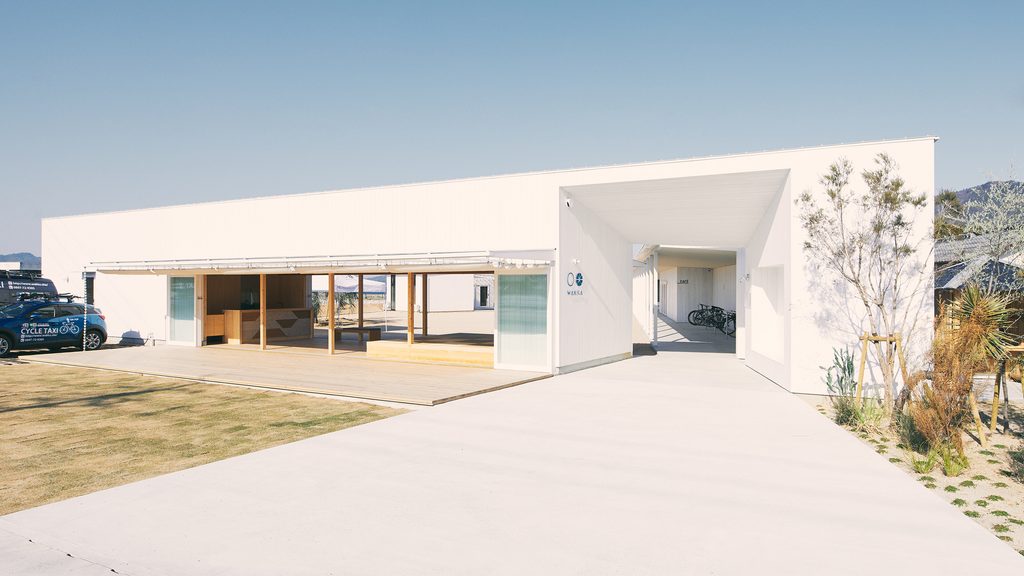
Once you get off the bus near Inokuchi Port, WAKKA is only a short walk away. After a day that began on a boat, continued by bicycle, and perhaps included a quiet shrine visit, there is no need to rush anywhere else.
Official website · Google Maps
WAKKA is a waterfront property on Omishima, with a café, cycling support, and a range of activities centered on the sea and the island. By this point, your bicycle has already been returned. That is part of why WAKKA works well here.
After a day of traveling between islands by boat and bicycle, WAKKA offers a welcome change of pace. Set beside the water, with views across the Seto Inland Sea, it is a place to put the day’s journey behind you and settle into the quieter rhythm of the island.
A Room with a View of the Inland Sea
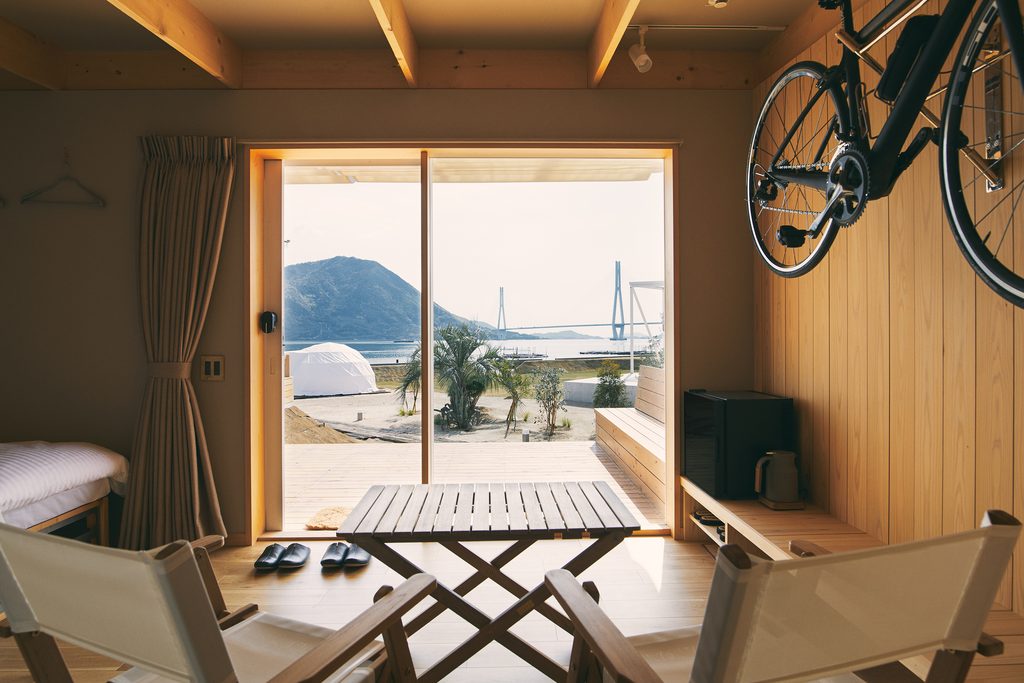
WAKKA offers several ways to stay, from simple bunk rooms to ocean-view cottages and private residences. For travelers who want to linger a little longer on the island, the cottages and residences are especially appealing.
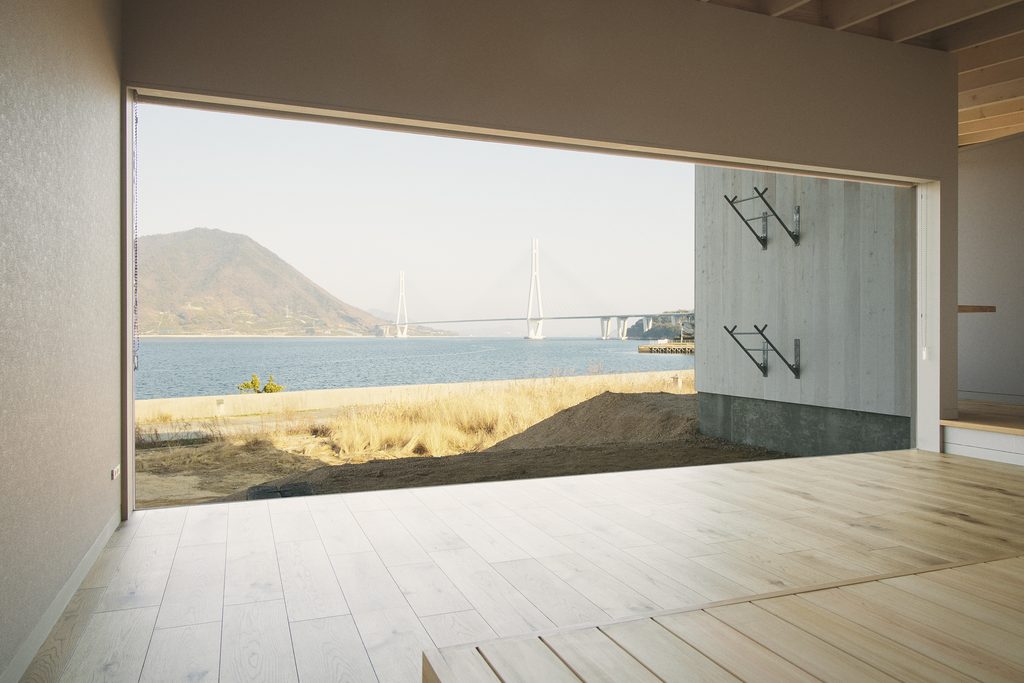
The cottages have warm wood interiors, private decks facing the Seto Inland Sea, and wall-mounted bicycle racks that allow cyclists to keep their bikes close. The more spacious residences offer kitchens, private decks, and sweeping views of the surrounding islands. Each offers a different way to enjoy the island’s peaceful waterfront setting.
After crossing Tatara Bridge by bicycle, there is something especially satisfying about seeing it again from where you stay. What was part of the day’s journey becomes part of the landscape outside your window.
Dinner by the Sea
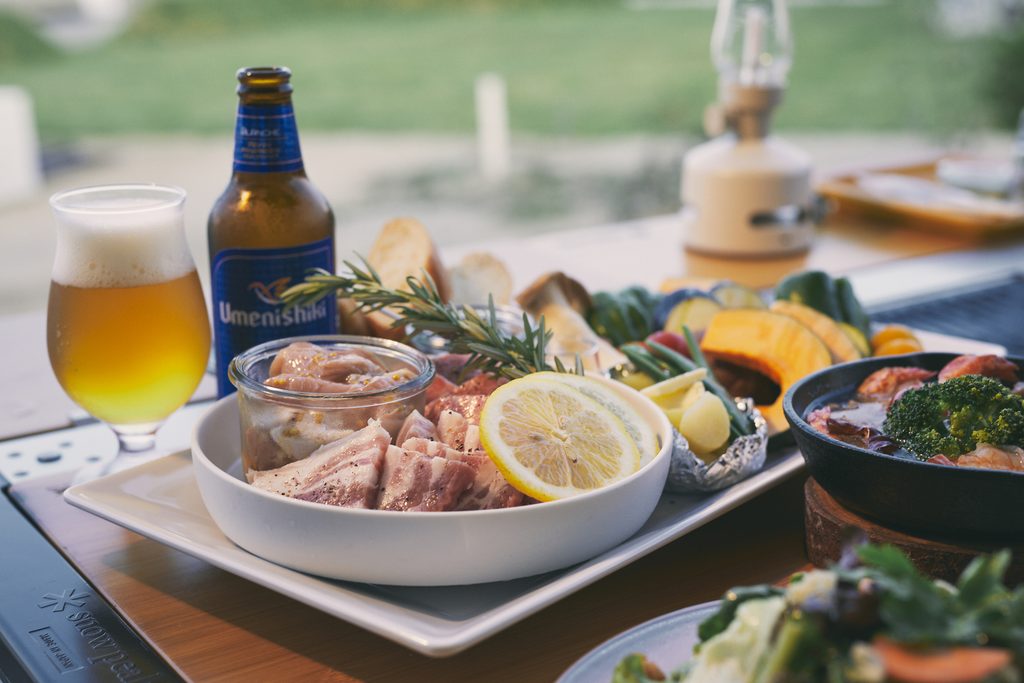
When traveling without a car, having a good dinner within easy reach of your accommodation is especially welcome. On an island, where restaurants can be some distance apart, it makes the evening much simpler.
At WAKKA, dinner is an opportunity to enjoy the flavors of the Seto Inland Sea. In summer, guests on eligible meal-inclusive plans can enjoy a barbecue featuring local vegetables, seafood, and meat from Shikoku. The ingredients are prepared by the staff, leaving guests free to cook and enjoy their meal on the deck. In winter, the menu changes to a bouillabaisse featuring Japanese spiny lobster and local seafood, served in the indoor café.
Guests staying in a residence can also arrange a Japanese-style dinner served in their room. The meal may include sea bream rice, sashimi, a cooked fish dish, and several small sides, offering another way to enjoy the region’s seafood in the privacy of the residence.
For guests who prefer to eat elsewhere, WAKKA also offers a scheduled shuttle service to restaurants on Omishima. Dinner arrangements depend on the accommodation type and season, so it is worth checking the options when booking.
After a day on the water and on the bicycle, there is no need to rush out again. Have dinner, watch the light fade across the sea, and enjoy being on the island for the night.
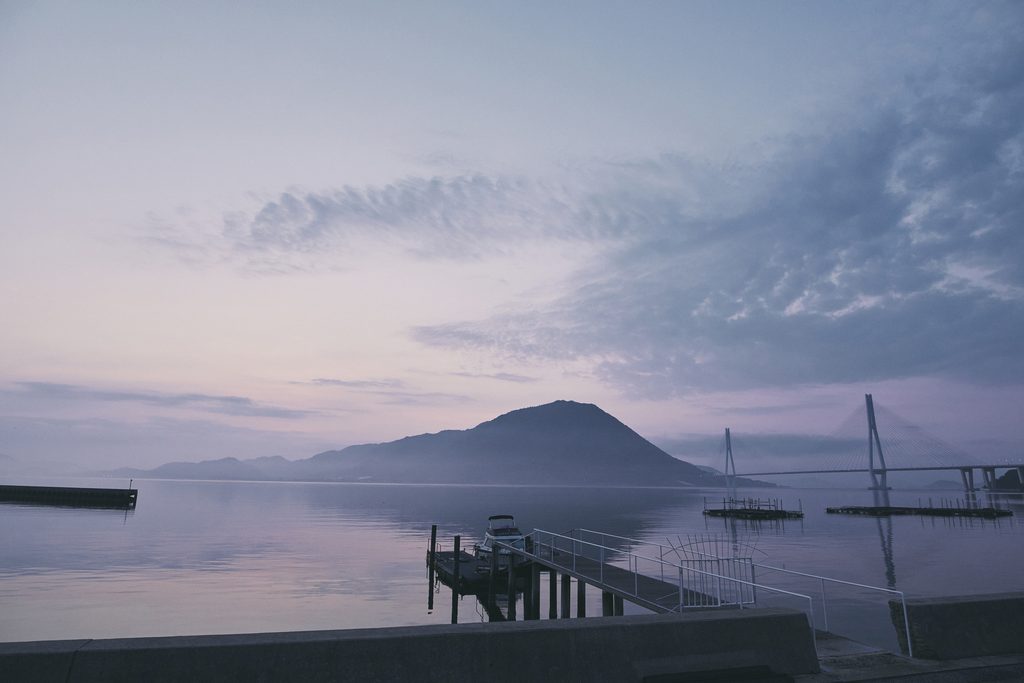
Day 3 — Spend the Morning at WAKKA, Then Continue On
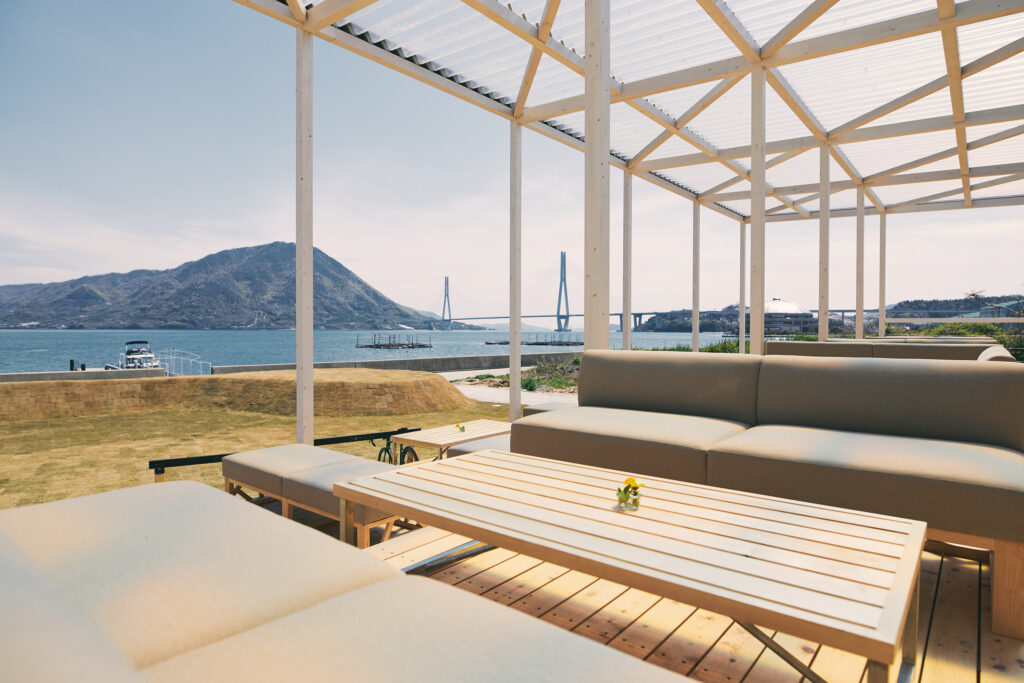
A Slow Breakfast by the Sea
Begin your morning with breakfast overlooking the Seto Inland Sea. At WAKKA, guests can enjoy breakfast at the café or on the outdoor deck, with views of the water and surrounding islands. The Western-style breakfast includes bread, egg dishes, bacon, and seasonal fruit.
After yesterday’s journey by boat and bicycle, there is no need to hurry. Take your time over breakfast, watch the morning light over the water, and enjoy a peaceful start to the day before setting off again.
Explore the Island Your Way
If you have time before leaving Omishima, WAKKA can help you discover more of the island beyond its famous cycling routes. Take a short cruise to see Tatara Bridge from the water, try fishing in the Seto Inland Sea, or explore the island’s natural surroundings.
There are hands-on cultural experiences, too. In a Saori weaving workshop, you can choose your own colors and create a unique woven piece using a traditional Japanese weaving technique. You can also explore the scents of Omishima’s citrus fruits and herbs in a workshop where you make your own personal care item. These experiences offer a different perspective on the island, through its crafts, plants, and local traditions.
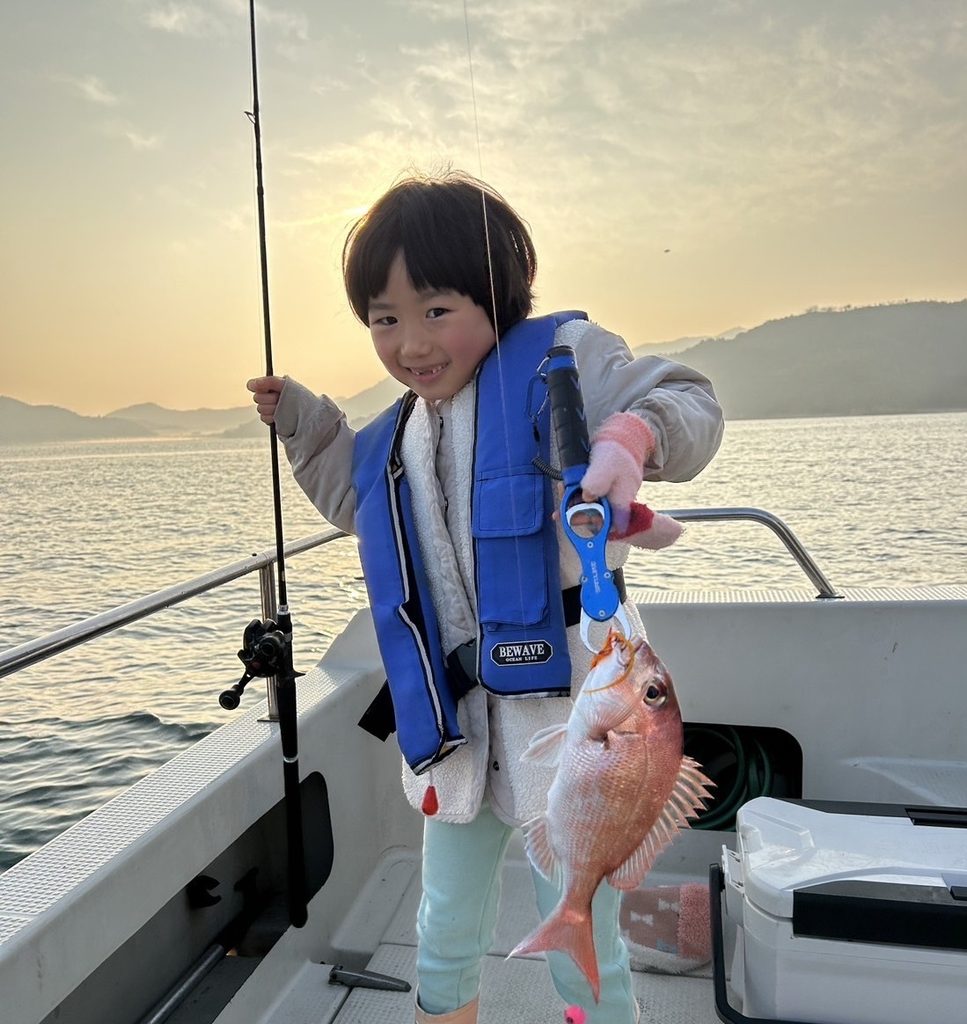
Some activities take place away from WAKKA, and advance reservations, language requirements, or seasonal restrictions may apply. Check WAKKA’s official activity guide for details before planning your visit.
Special thanks to WAKKA for kindly providing the photographs of their property and activities featured in this article.
A Two-Night, Three-Day Sample Itinerary
| Day | Morning | Afternoon | Evening |
|---|---|---|---|
| Day 1 — Onomichi | Arrive in Onomichi; Senkoji-yama Ropeway | Senkoji Temple, Neko no Hosomichi, hillside streets | Onomichi ramen; stay near the port |
| Day 2 — Across the Inland Sea | Boat from Onomichi to Setoda | Cycle Ikuchijima → Tatara Bridge → return bicycle → Oyamazumi Shrine, or head directly to WAKKA | Stay at WAKKA |
| Day 3 — Omishima & Onward | Breakfast and an activity at WAKKA | Continue to your next destination | — |
Boat, bus, bicycle rental, and facility schedules may change. Check current information before traveling.
Getting to Onomichi
The starting point for this journey is JR Onomichi Station. For international travelers, one straightforward way to reach Onomichi is from Kansai International Airport.
From Kansai International Airport
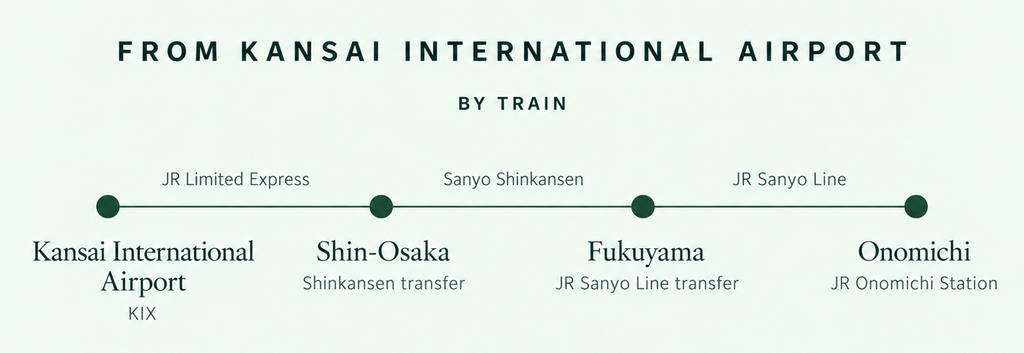
Take a JR limited express train from Kansai International Airport to Shin-Osaka. From there, take the Sanyo Shinkansen to Fukuyama, then transfer to the JR Sanyo Line for Onomichi.
There is also a Shinkansen station called Shin-Onomichi, but it sits away from the old town and waterfront. For this itinerary, arriving at JR Onomichi Station is more convenient, especially because the boat leaves from the nearby Onomichi Ekimae Pier the next morning.
Train times and fares vary, so check the exact route for your travel date.
Where to Go After Omishima
After spending the morning at WAKKA, there are three broad ways to continue.
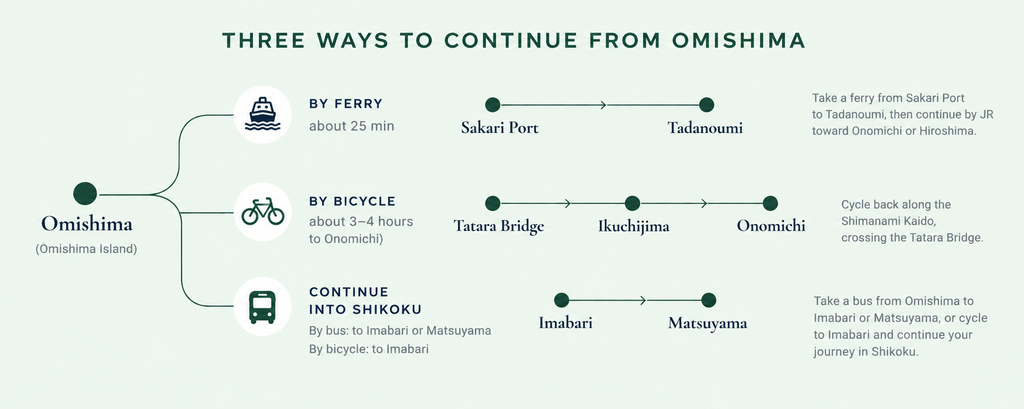
1. Return Toward Tadanoumi by Ferry
One option is to take a ferry from Sakari Port on the northern side of Omishima to Tadanoumi, then continue by JR toward Mihara, Onomichi, or Hiroshima.
Rather than retracing the exact route you came, you leave the island by a different stretch of sea. Arriving from Onomichi and departing by another port turns the trip into a small loop through the Inland Sea.
2. Cycle Back Toward Onomichi
If you would like to spend more time on the bicycle, you can cross Tatara Bridge again and continue back through Ikuchijima toward Onomichi. However, the sample itinerary in this article assumes that you return the bicycle at Tatara Shimanami Park on Day 2.
If you want to cycle back, plan the rental period and return location differently from the start. Think of it as a separate cycling variation rather than an extension of this short-distance route.
3. Continue Deeper into Shikoku
Omishima is already in Ehime Prefecture. From here, you can continue toward Imabari and carry the journey farther into Shikoku.
You might head toward Matsuyama, or continue on to another part of Shikoku. Instead of treating these two nights as a round trip from Onomichi, you can use them as part of a larger journey from Honshu, across the Seto Inland Sea, and into Shikoku.
You Do Not Have to Ride the Entire Shimanami Kaido
The Shimanami Kaido is not only for people who ride all 70 kilometers. In Onomichi, you walk the hills and look out over the islands. The next morning, you travel into that view by boat.
On Ikuchijima, you switch to a bicycle and follow the coast. On Tatara Bridge, you cross from Hiroshima into Ehime with the Inland Sea open on both sides. On Omishima, you get off the bicycle.
You might stop at an old shrine, then end the day beside the water. The next morning, you stay on the island a little longer before continuing on.
The pace of walking through town. The pace of a boat moving between islands. The pace of a bicycle along the shore. And the unhurried time you spend on an island with nowhere else you need to be.
What stays with you may not be the distance you covered, but the scenery that changed around you along the way. You do not have to ride the entire Shimanami Kaido to feel that you have traveled through the Seto Inland Sea.