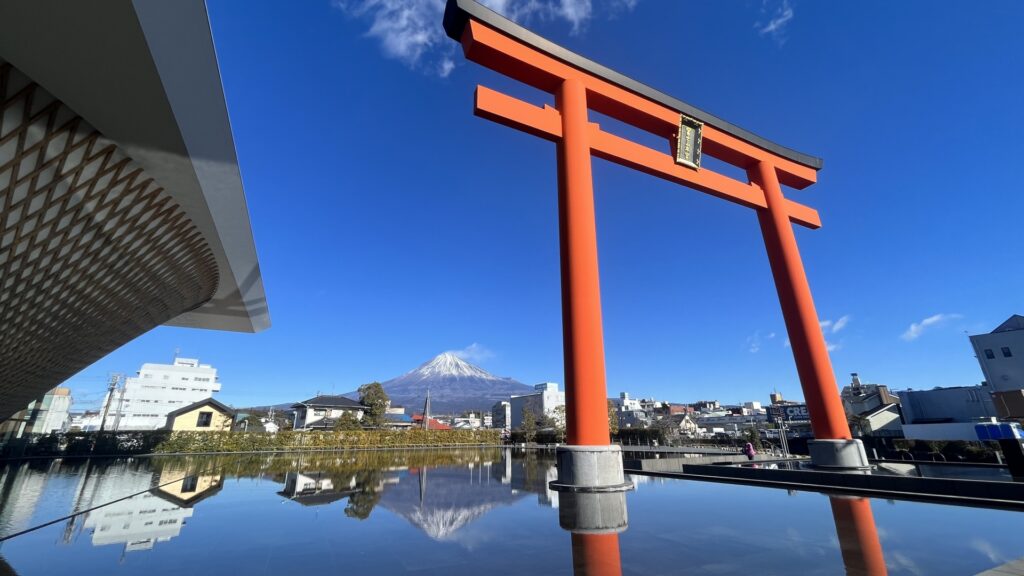
It is tempting to plan a trip to Mt. Fuji around the view of the mountain itself. In Fujinomiya, though, you can feel its presence even when the summit is hidden by clouds.
Start at the Mt. Fuji World Heritage Center, have lunch at Omiya Yokocho, and visit Fujisan Hongu Sengen Taisha and Wakutama Pond. Then take an afternoon bus to Shiraito Falls, where hundreds of delicate streams emerge from a broad cliff. The route brings you close to the water, food, and traditions shaped by the mountain.
Fujinomiya at a Glance
| At a glance | Details |
|---|---|
| Location | Fujinomiya, Shizuoka Prefecture |
| Highlights | Mt. Fuji World Heritage Center, Omiya Yokocho, Fujisan Hongu Sengen Taisha and Wakutama Pond, Shiraito Falls |
| Time needed | One full day, including Shiraito Falls |
| Best starting point | Fuji Station on the JR Tokaido Line; transfer to the JR Minobu Line for Fujinomiya Station. Travelers arriving by Shinkansen can also take a bus from Shin-Fuji Station. |
| Good for | Travelers interested in nature, shrines, architecture, local food, and the history of Mt. Fuji |
| Check before you go | Bus service to and from Shiraito Falls and whether the World Heritage Center is open on your travel date |
Start at the Mt. Fuji World Heritage Center
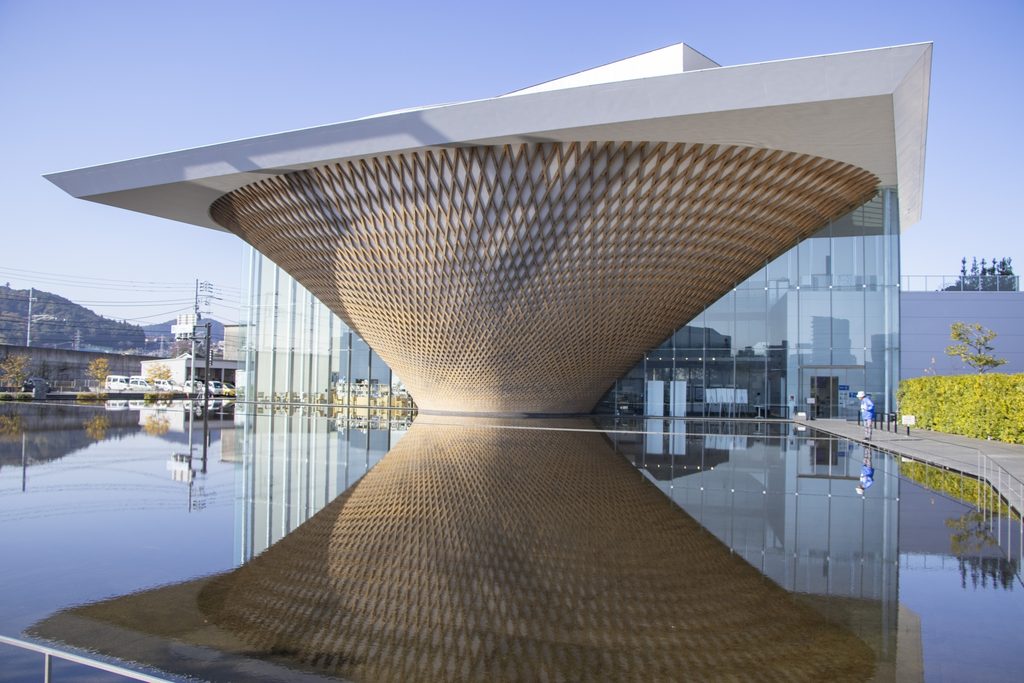
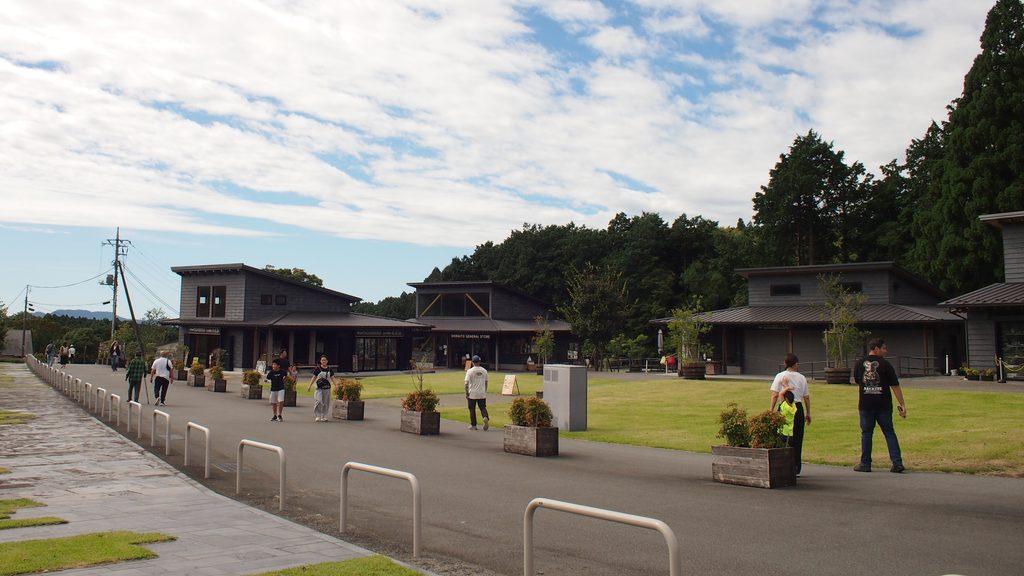
The Mt. Fuji World Heritage Center is about a 10-minute walk from Fujinomiya Station. As you head into the city, you will see the large red torii near the shrine and a building covered in a wooden lattice. The building is shaped like an inverted Mt. Fuji; its reflection in the pool in front forms the familiar outline of the mountain.
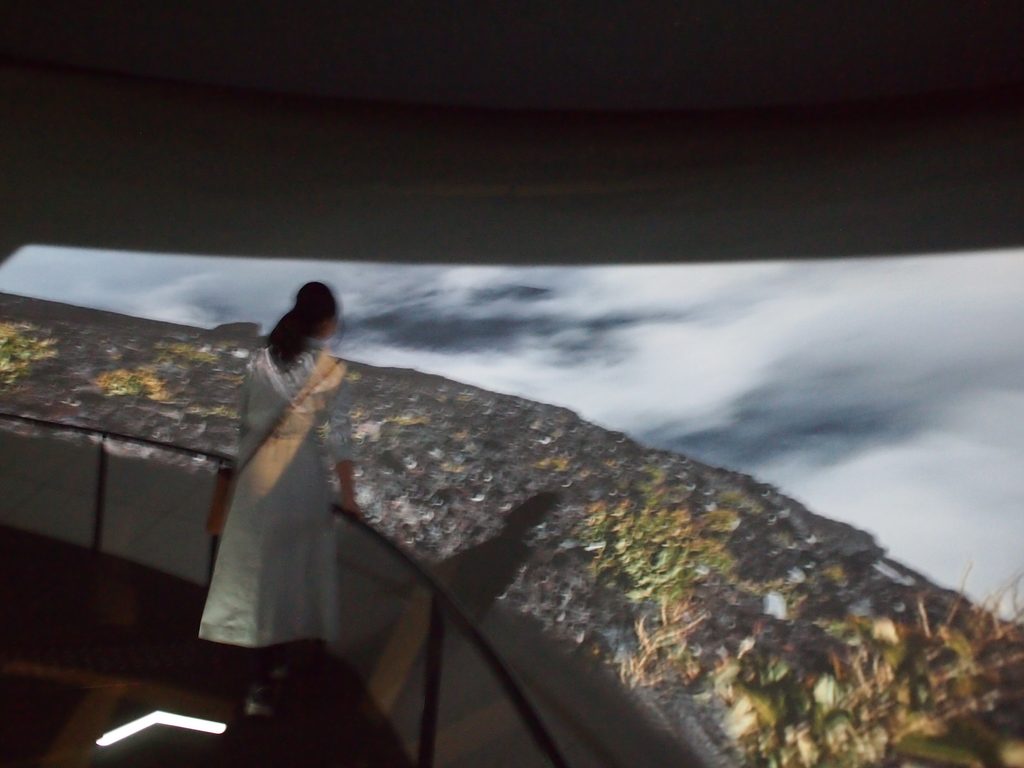
Inside, a spiral ramp leads you past large video projections. The scenery shifts from Suruga Bay to forest and then to the upper slopes of the mountain. Birdsong gives way to wind as you climb, creating the sensation of ascending Mt. Fuji.
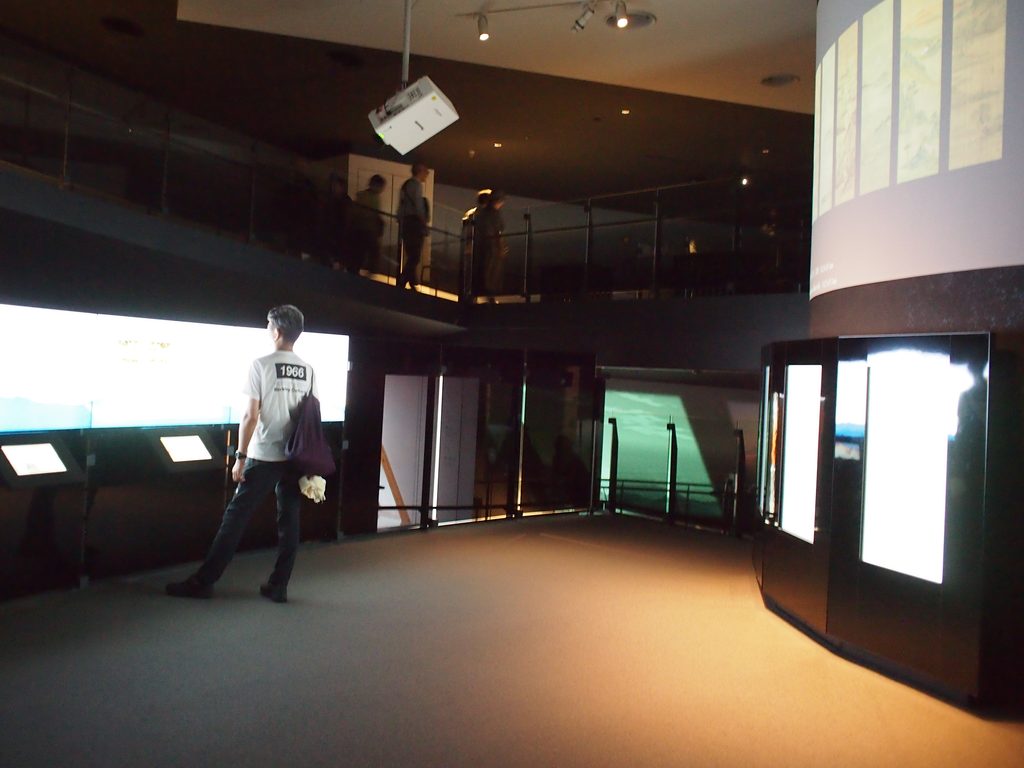
The exhibits cover Mt. Fuji’s volcanic history and its place in Japanese faith and art. Explanations are available in English as well as Japanese, giving you a useful introduction to the places you will visit later in the day.
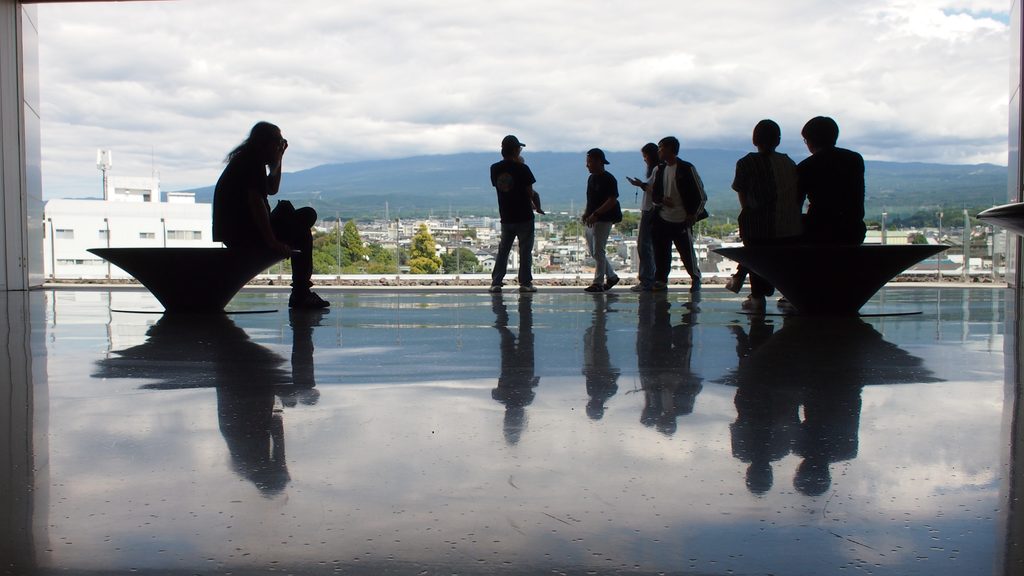
At the top of the ramp, you step from the darkened interior into a bright observation hall. On a clear day, Mt. Fuji fills the view, and its image appears again on the polished black floor. Even when clouds hide the summit, the change from the dim ramp to the open hall is memorable.
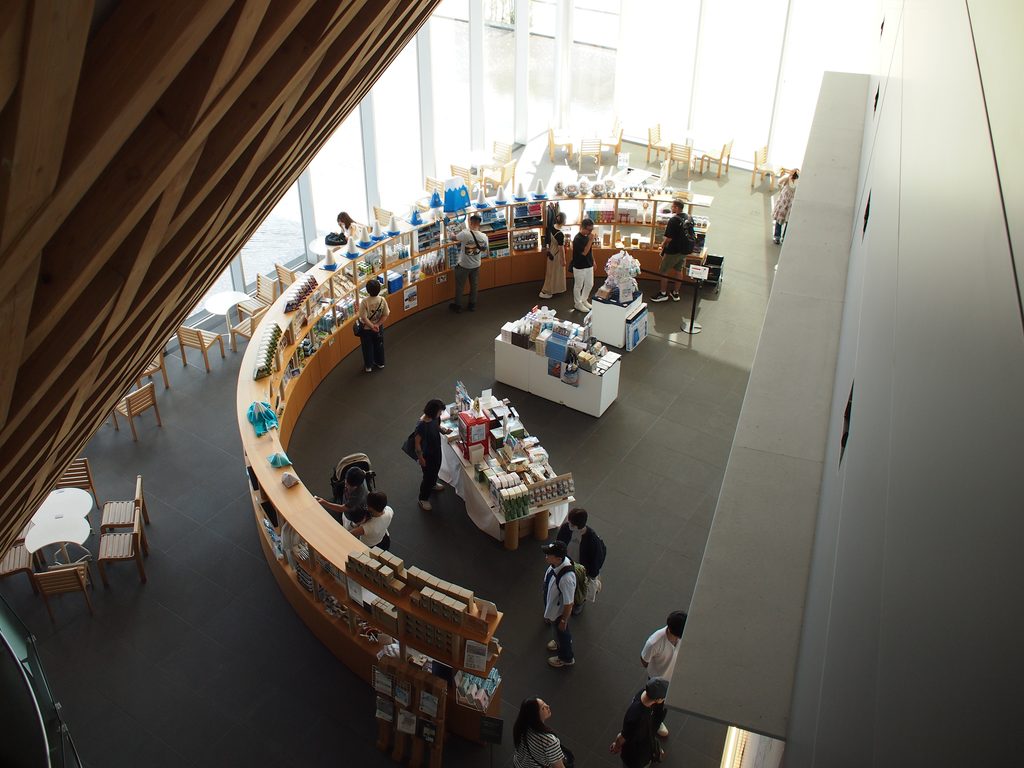
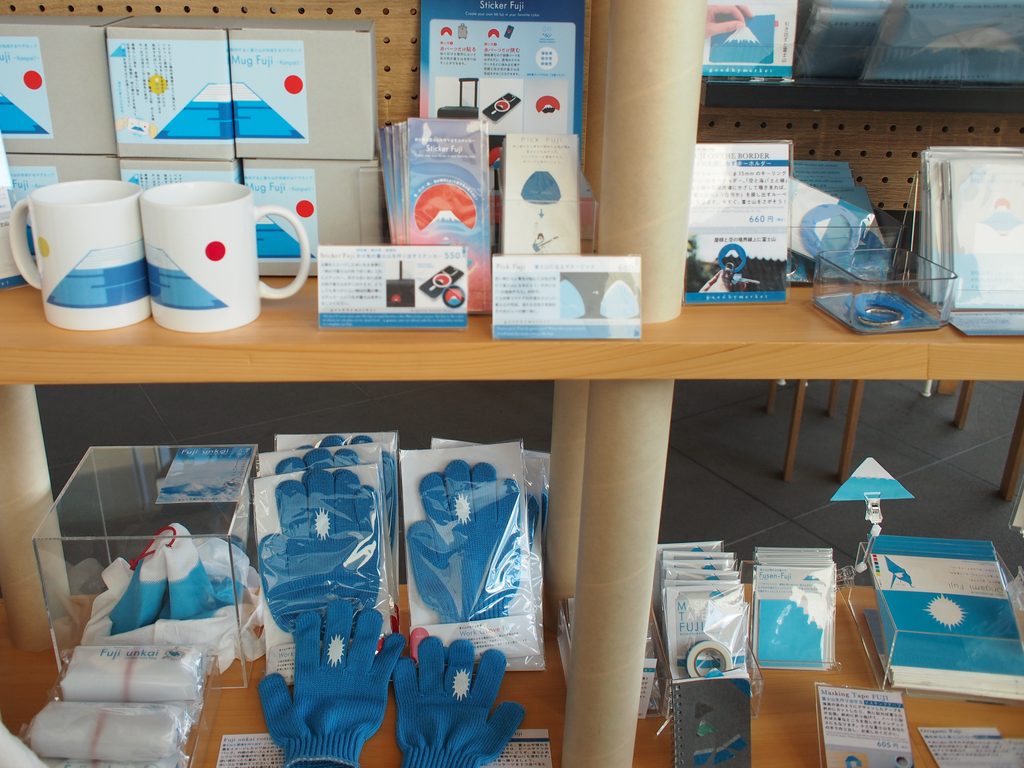
The center also has a shop with Mt. Fuji souvenirs and a cafe with mountain-themed menu items. Allow about one to one and a half hours to explore the exhibitions at a comfortable pace.
Official site: Mt. Fuji World Heritage Center · Google Maps
Lunch at Omiya Yokocho
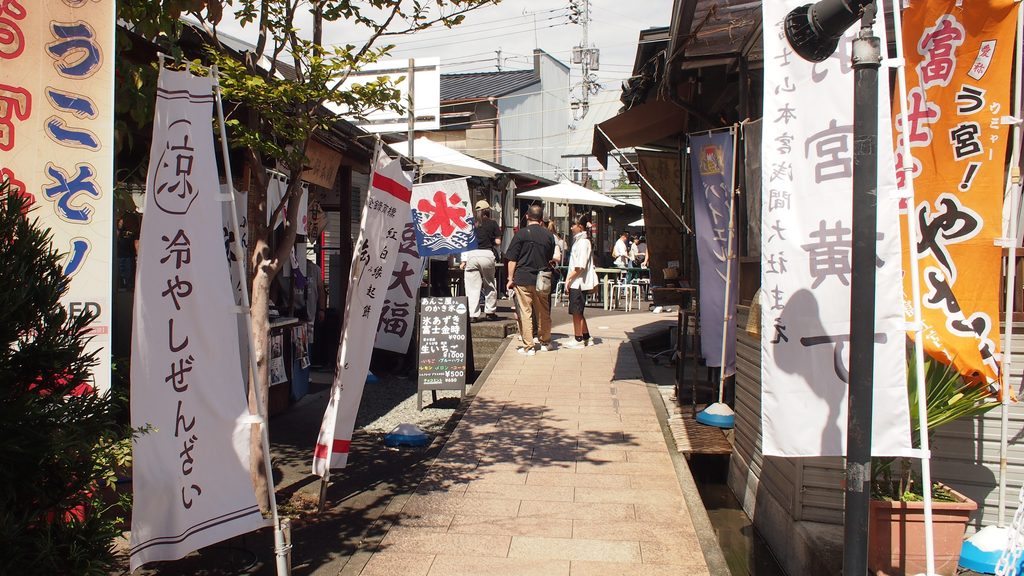
From the World Heritage Center, continue to Omiya Yokocho, a small cluster of food stalls and open-air seating near the shrine. You can choose dishes from different vendors and bring them back to the same table, which makes it easy to sample several Fujinomiya specialties.
Fujinomiya yakisoba is known for its chewy noodles. You may find a plate combining sauce and salt-seasoned yakisoba, or a version flavored with fish sauce made from rainbow trout, a local specialty. There is also oden, a Japanese simmered dish, and taiyaki, a fish-shaped pastry with a sweet filling.

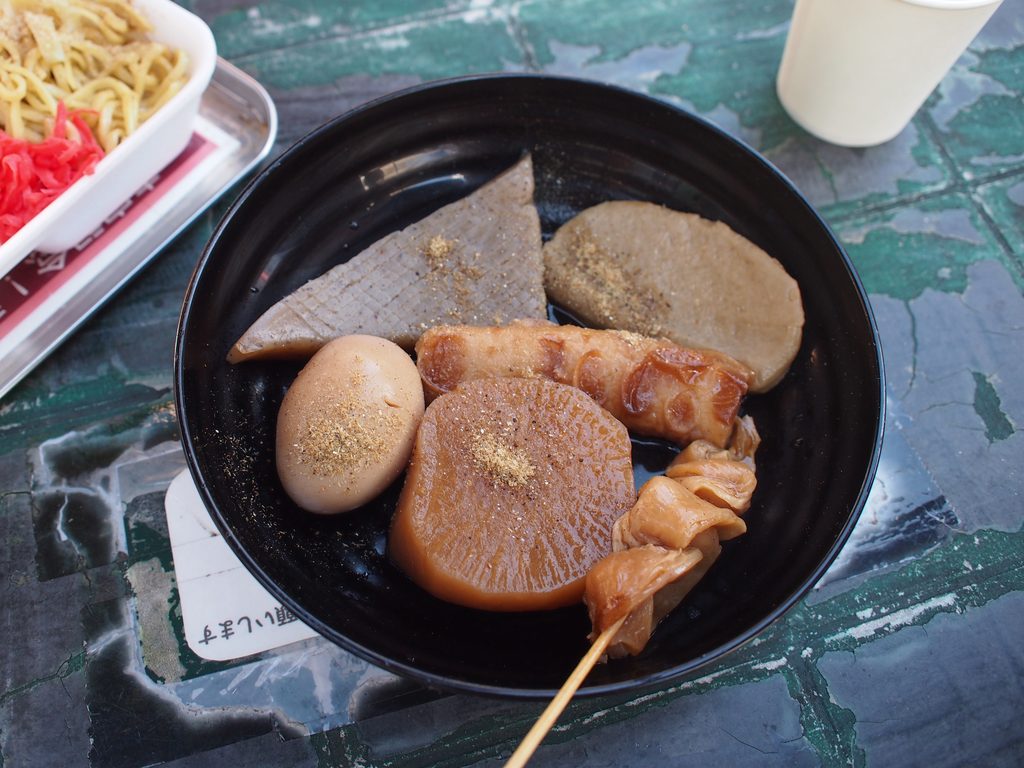
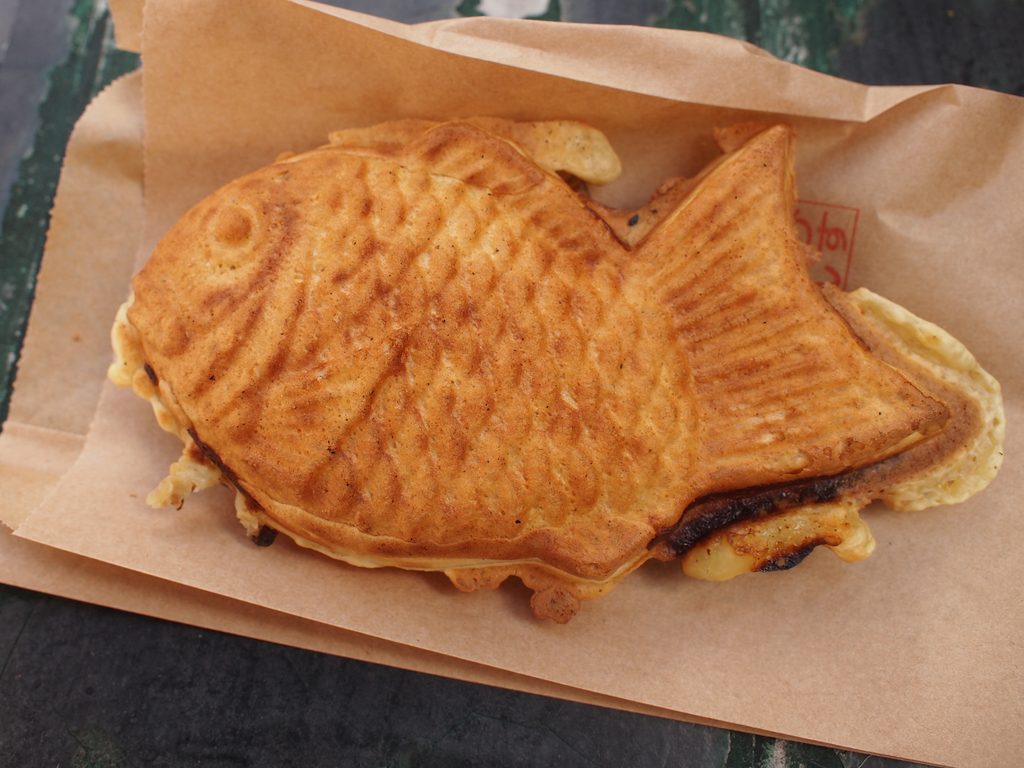
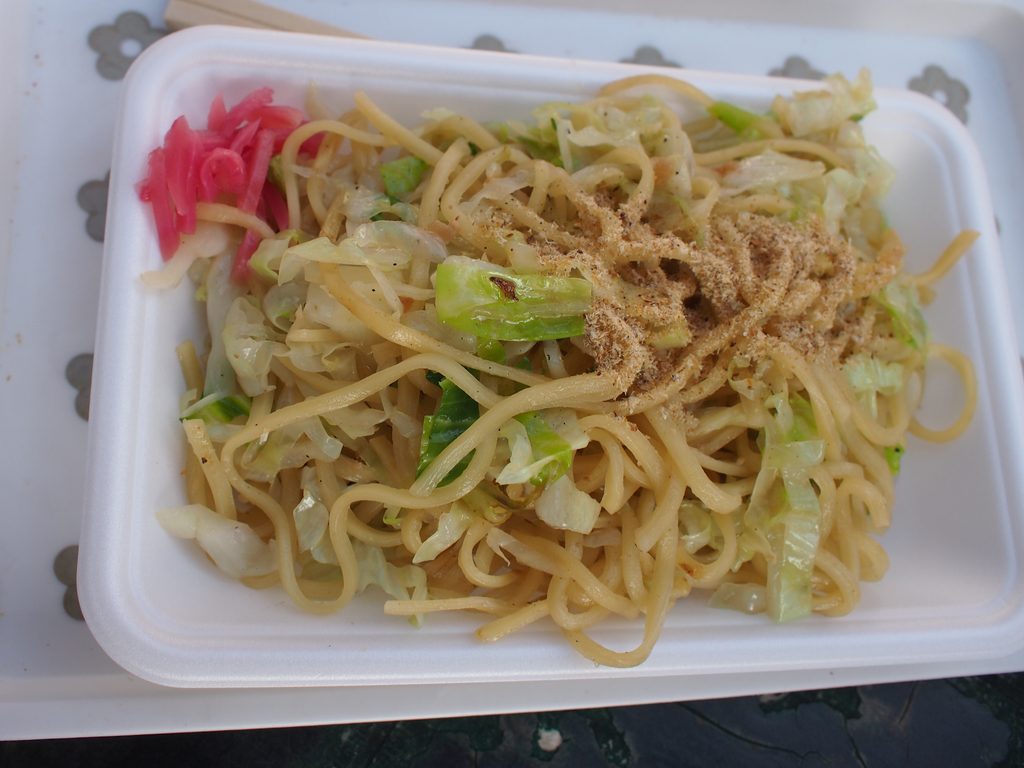
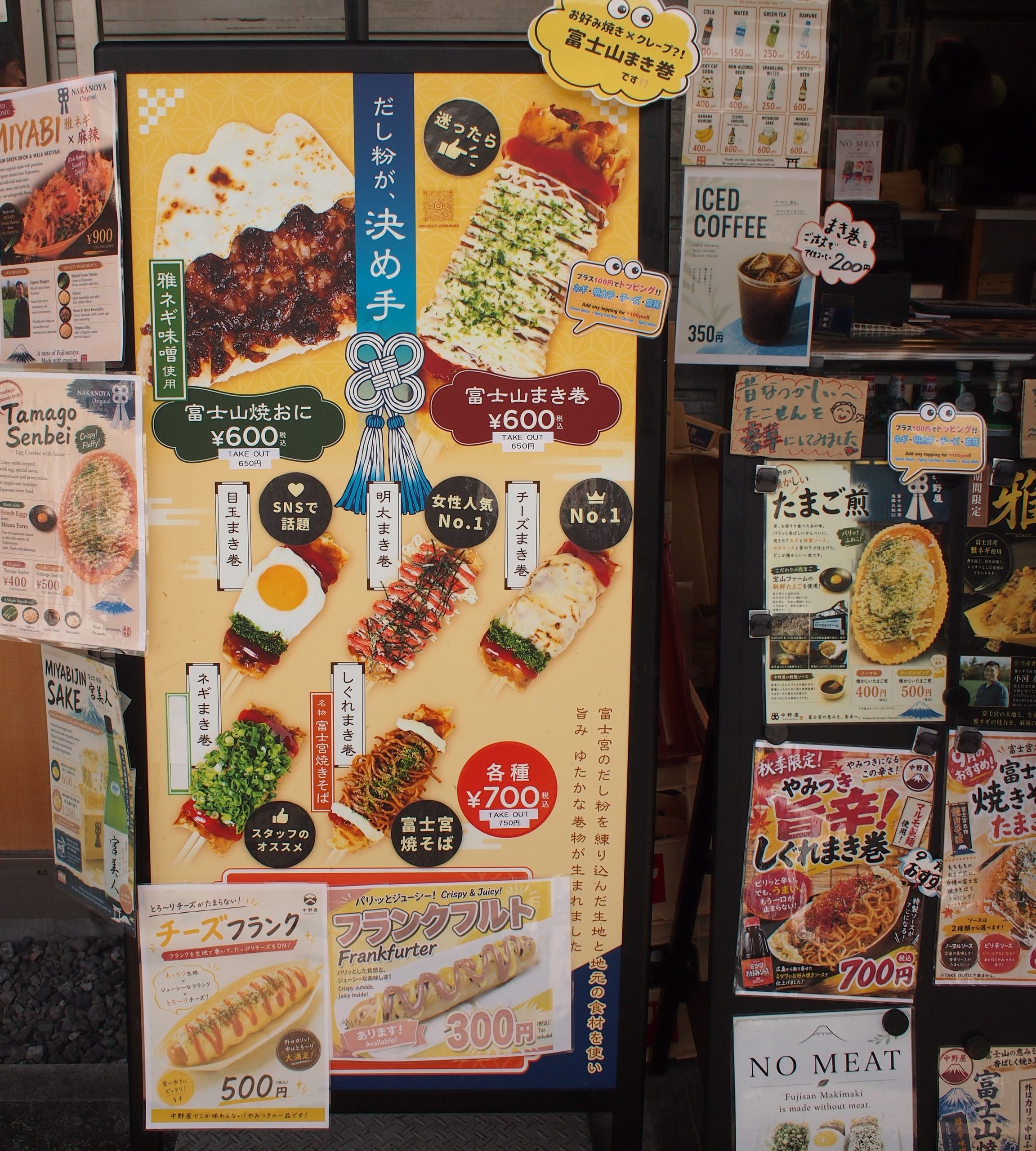
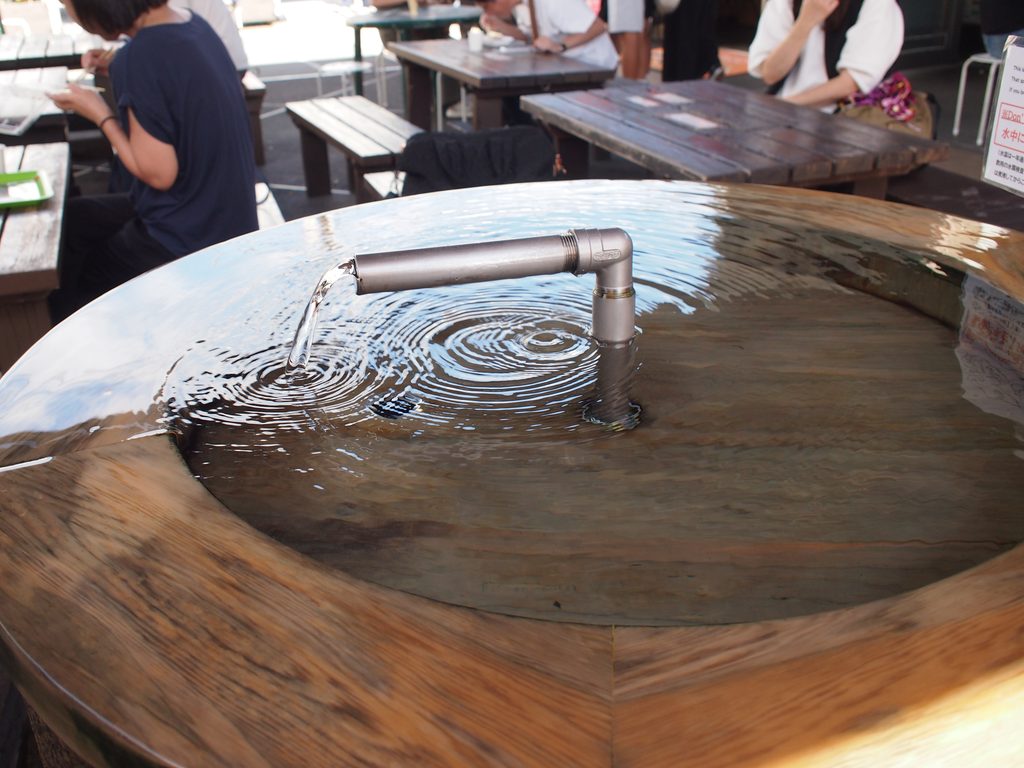
There is a spring water station in the middle of the courtyard. When you buy food or a drink from one of the vendors, you can get a paper cup and fill it yourself with water from Mt. Fuji.
Some vendors have English menus, and solo travelers can eat at the outdoor tables. The courtyard can get lively at lunchtime on weekends and holidays. Menus and opening hours vary by vendor, so check ahead if you are hoping to try a particular dish.
Official information: Omiya Yokocho, Fujinomiya Tourism Association · Google Maps
Fujisan Hongu Sengen Taisha and Wakutama Pond
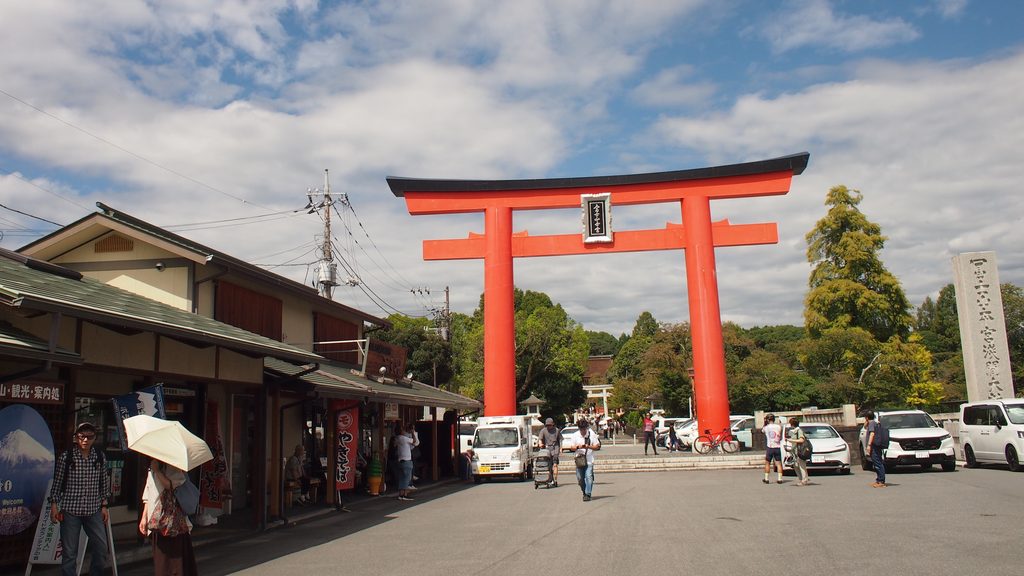
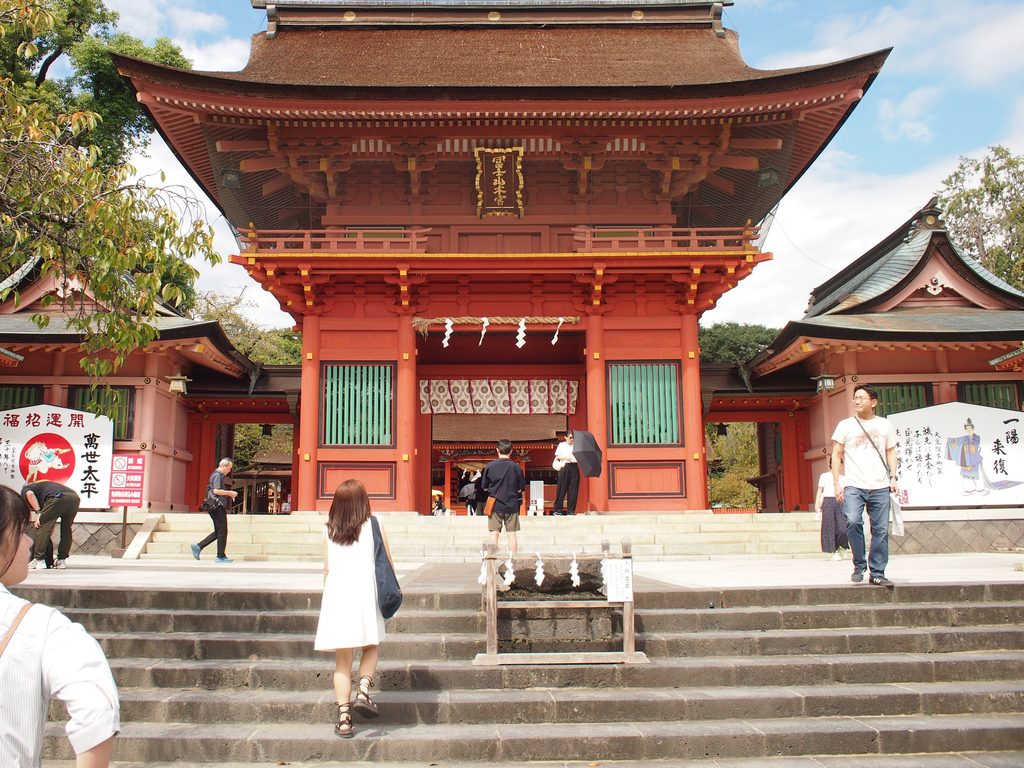
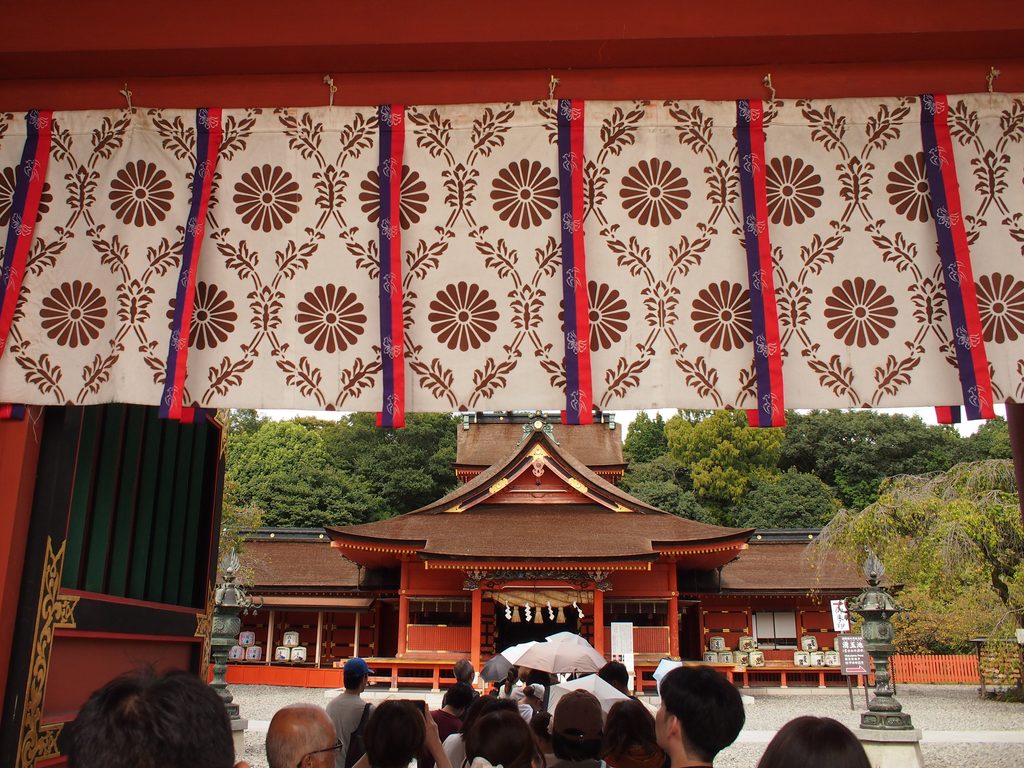
After lunch, cross the street to Fujisan Hongu Sengen Taisha. This is the head shrine of Japan’s Sengen shrines and has long been a center of worship connected to Mt. Fuji. Its main sanctuary was built under Tokugawa Ieyasu in a distinctive two-level style known as Sengen-zukuri.
On the east side of the shrine grounds, water from beneath Mt. Fuji emerges at Wakutama Pond. Pilgrims once purified themselves here before climbing the mountain.
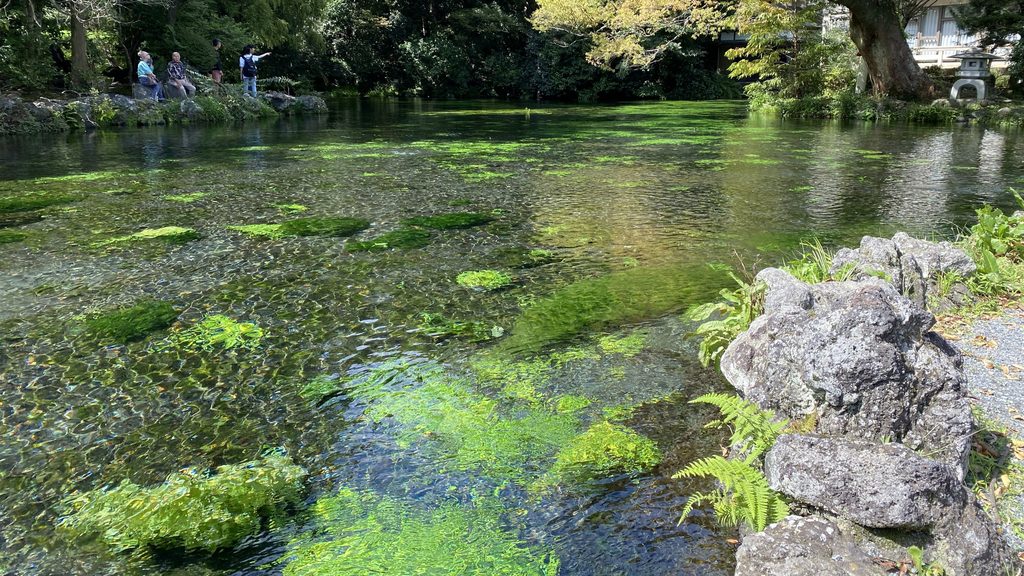
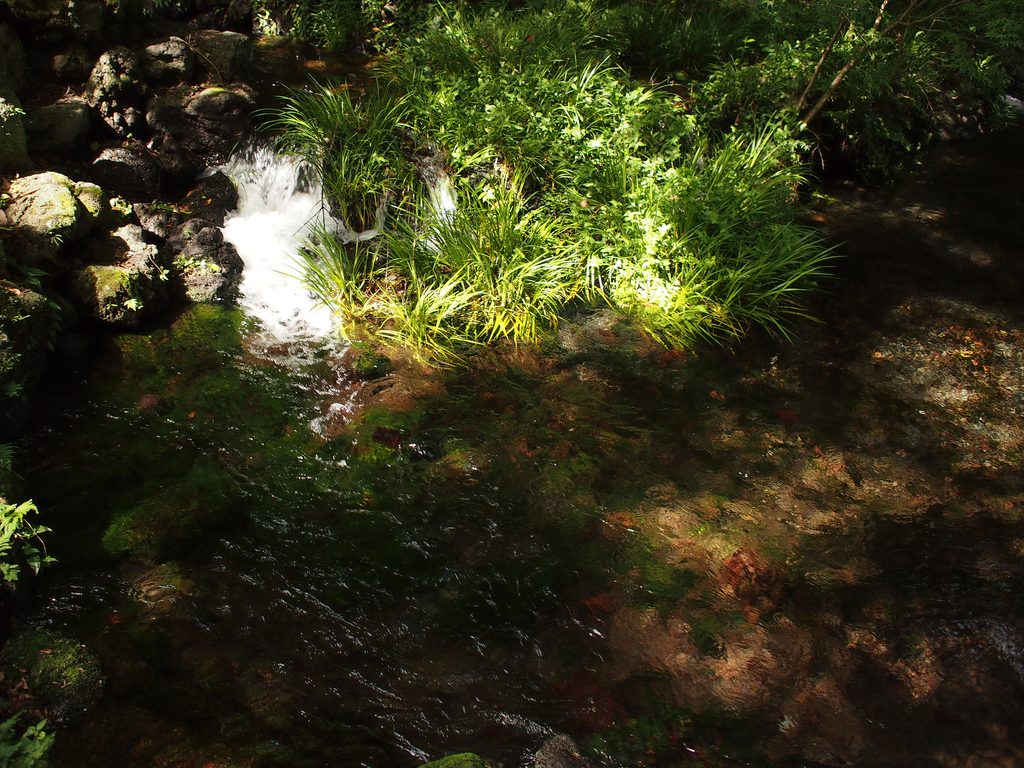
The pond lies a little apart from the busiest part of the shrine grounds. In the shade, the water makes a soft, lapping sound, while a nearby stream runs more loudly. Bright green aquatic plants sway beneath the surface, with small fish swimming between them. The dark shade makes the clarity of the water all the more striking.
Water from the pond flows into the Kanda River, which continues through the city. If you want to get close to the water, use the designated riverside areas and follow local signs; the pond itself is part of the shrine’s sacred grounds.
When you are ready to leave, walk to the nearby Sengen Taisha (浅間大社) bus stop. A bus toward Shiraito Falls takes you out of the city and into the foothills. Service is limited, so choose your outbound bus and your return bus before settling in for lunch and the shrine visit.
Official site: Fujisan Hongu Sengen Taisha · Google Maps
An Afternoon at Shiraito Falls
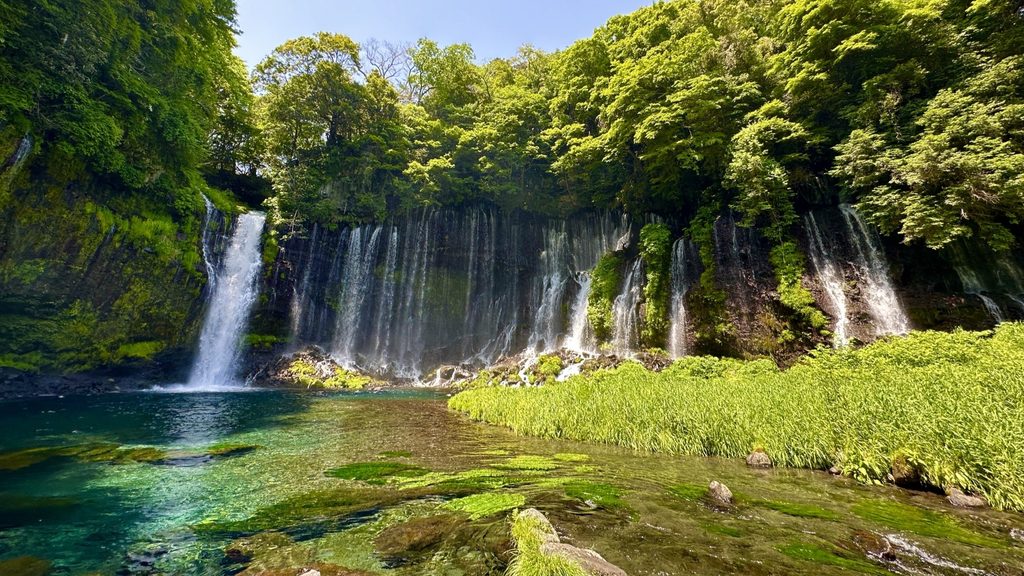
The bus ride from the shrine takes about 30 minutes. As the buildings of Fujinomiya give way to the foothills, you arrive at Shiraito Falls.
The falls are about 65 feet (20 meters) high and 490 feet (150 meters) wide. Hundreds of streams spill from a broad, curving cliff, falling in fine strands rather than a single torrent. Much of the water begins as rain and snow on Mt. Fuji, seeps into the volcanic ground, and emerges from the cliff. Japan has designated Shiraito Falls a Place of Scenic Beauty and a Natural Monument. The falls are also part of the UNESCO World Heritage site for Mt. Fuji.
You can head straight down to the falls from the shops, but if you have time, follow the path that climbs to an upper viewpoint first. Along the way is Obinmizu Pond, a small spring-fed pool in the shade of the trees. Beyond it, an overlook offers a view from above; on a clear day, you may see Mt. Fuji beyond the falls.
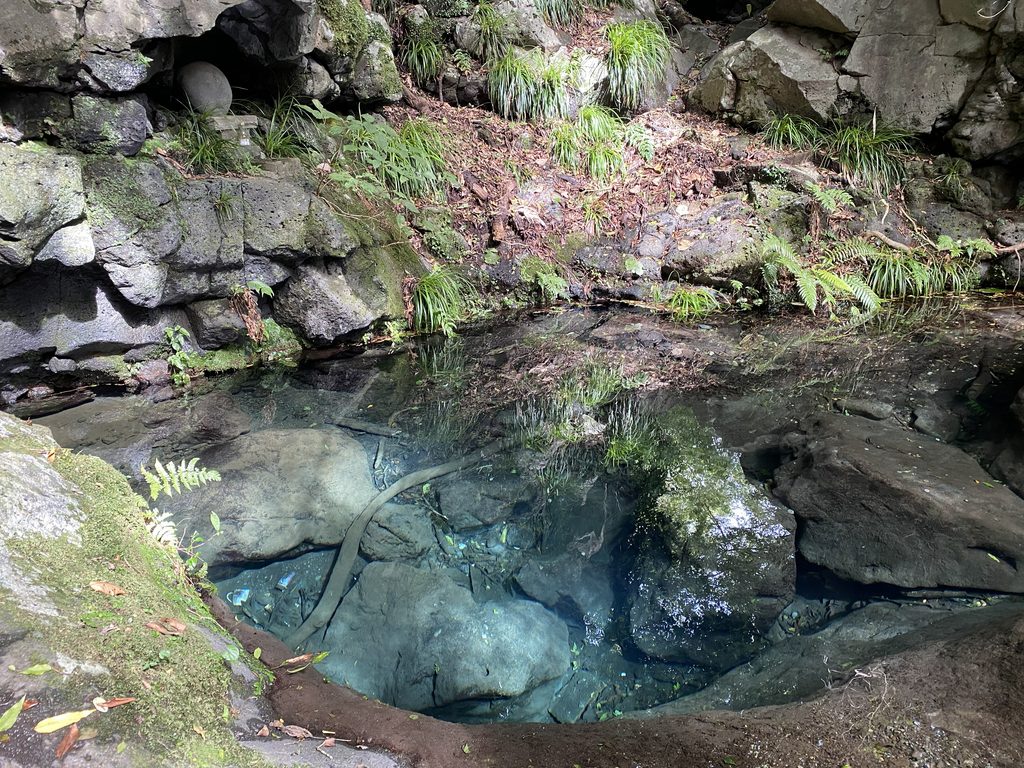
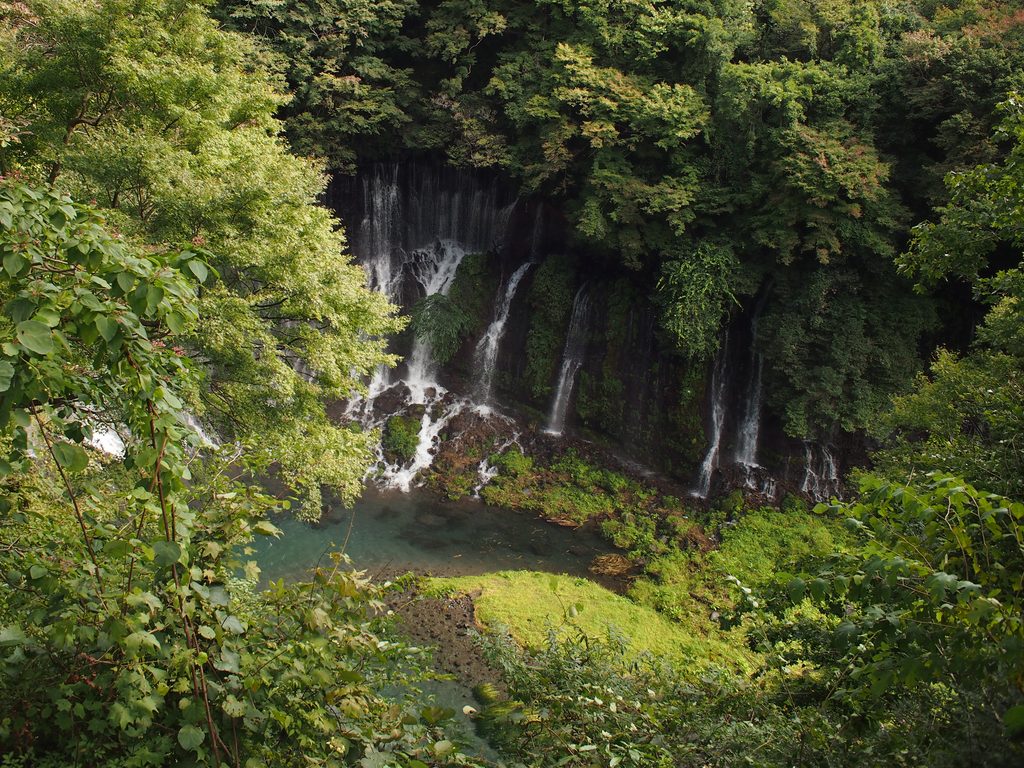
As you descend through the trees, the air turns noticeably cooler. Fine mist reaches your face and arms, and the sound of falling water surrounds you. Shiraito has a delicate beauty: its many streams are powerful together, yet the sound never feels harsh. It is easy to linger at the base and watch the water appear from the rock.
The closest viewing area is reached by stairs, with an uphill climb on the way back. There are few places to sit for long near the bottom. Take your time if stairs are difficult, and watch your footing after rain.
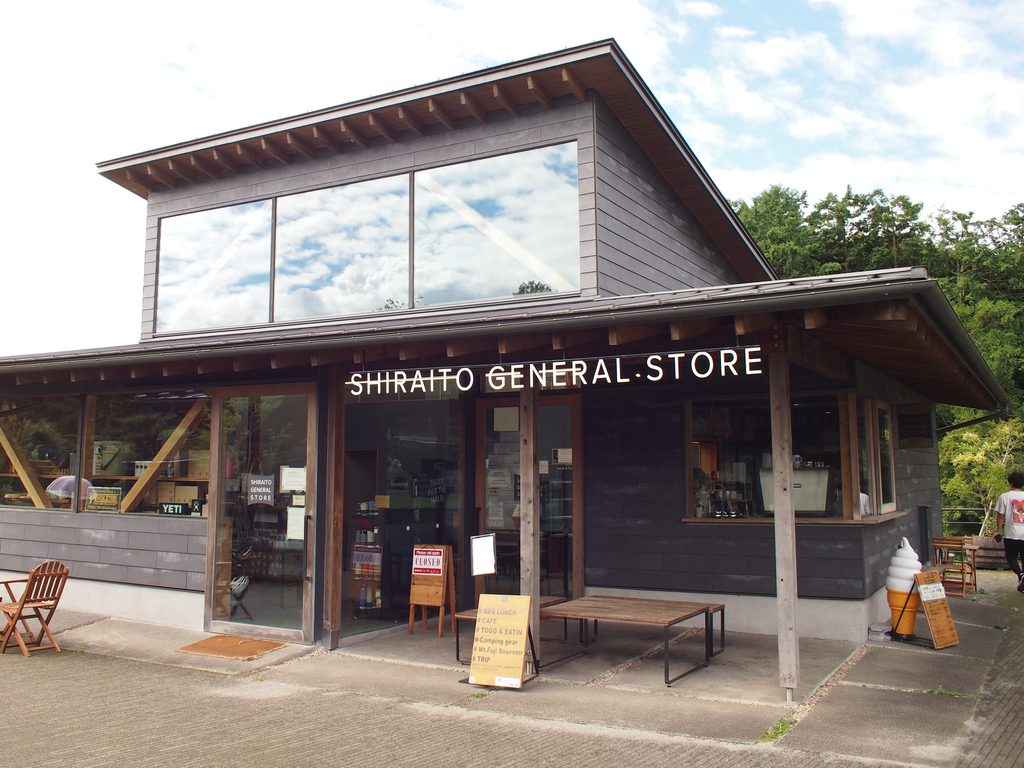
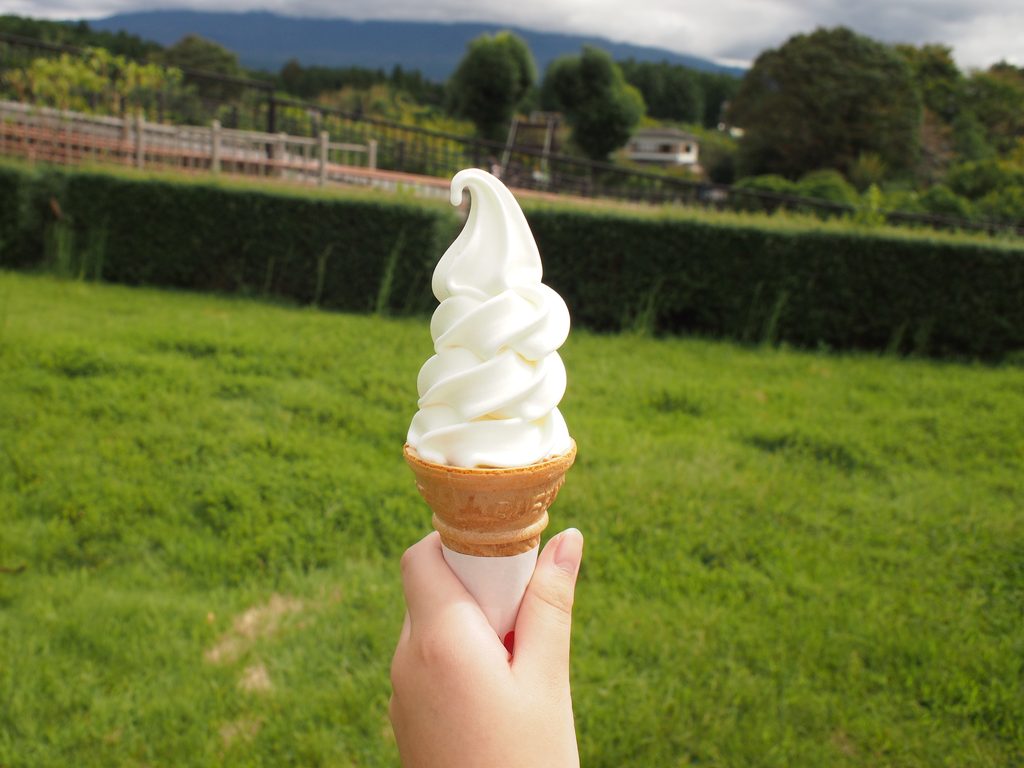
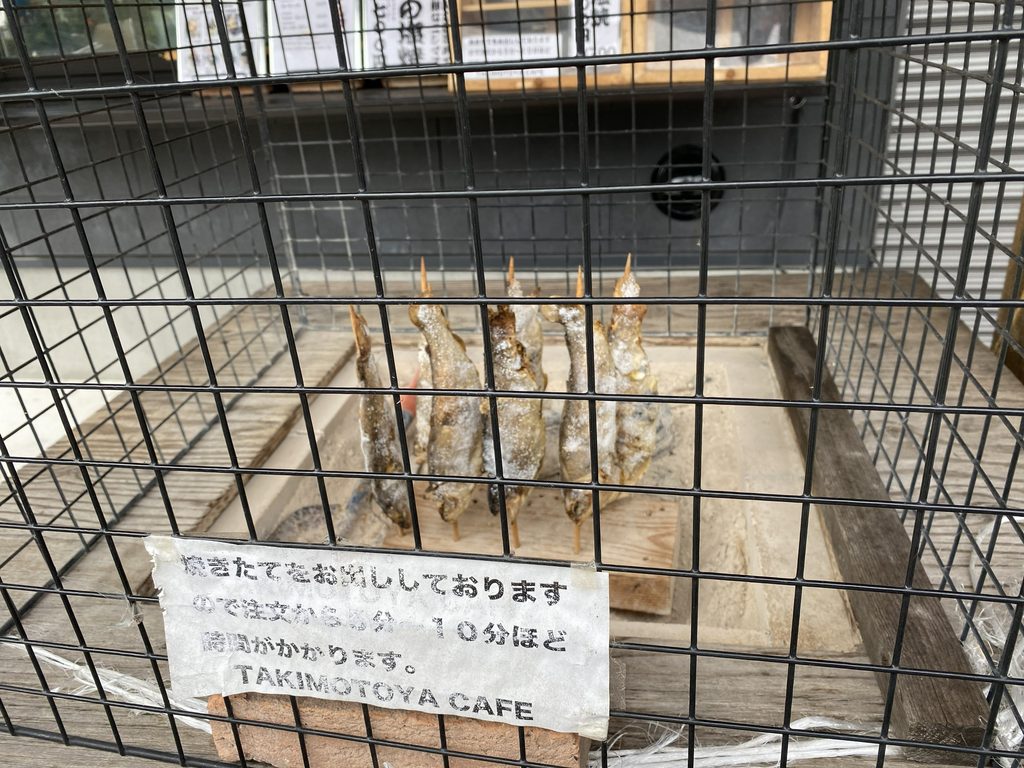
Near the top of the falls, a cluster of souvenir shops, cafes, and food stalls makes a good stop before or after the walk. You might find soft-serve ice cream, Fujinomiya yakisoba, or, depending on the vendor and the day, salt-grilled rainbow trout. Hours vary, so check ahead if you have a particular food in mind.
If you prefer an early visit: Around 9:00 a.m., the falls may be quieter and easier to photograph, but many food stalls may not be open yet. A morning visit is easier to arrange if you are staying nearby or have a car or taxi. For this one-day route by public transportation, visiting after lunch makes the bus connections more manageable.
Official information: Shiraito Falls, Fujinomiya City · Google Maps
A Practical One-Day Route by Public Transportation
Plan your day around two bus rides: one from the shrine area to Shiraito Falls and another back to Fujinomiya Station. Look for a pair that gives you about 90 minutes at the falls, then plan lunch and your shrine visit around the outbound departure. Bus and train schedules can change, so check them for the day you travel.
| Step | What to do | Time to allow |
|---|---|---|
| 1 | Take the JR Minobu Line from Fuji Station to Fujinomiya Station | Depends on the train |
| 2 | Walk to the Mt. Fuji World Heritage Center | About 10 minutes |
| 3 | Explore the center | 1 to 1½ hours |
| 4 | Have lunch at Omiya Yokocho | 45 minutes to 1 hour |
| 5 | Visit Fujisan Hongu Sengen Taisha and Wakutama Pond | 45 minutes to 1 hour |
| 6 | Take the bus from the Sengen Taisha stop to Shiraito Falls | About 30 minutes |
| 7 | Explore the falls, Obinmizu Pond, and the shops | About 1½ hours |
| 8 | Take the bus back to Fujinomiya Station, then the JR Minobu Line to Fuji Station | Depends on connections |
If you reach Fujinomiya Station shortly before the center opens, you can walk over and look at the building and its reflecting pool while you wait.
Before You Go
- Check the bus schedule and stop locations for the trip to and from Shiraito Falls.
- Check the weather and any notices about the walking paths at the falls.
- Confirm the World Heritage Center’s opening day, admission fee, and last entry time.
- If you have a particular dish in mind at Omiya Yokocho, check whether the relevant vendor will be open.
The center is normally open from 9:00 a.m. to 5:00 p.m., or until 6:00 p.m. in July and August. Last entry is 30 minutes before closing. Regular adult admission to the permanent exhibition is ¥500. Check the official site for current closures, fees, and special exhibitions.
Getting to Fujinomiya
Fuji Station is the simplest starting point: take the JR Minobu Line to Fujinomiya Station, then walk to the World Heritage Center. Travelers arriving by Shinkansen can also take a bus from Shin-Fuji Station to the center. If you use Shin-Fuji as your starting point, check the return connection from Fujinomiya Station before you travel.
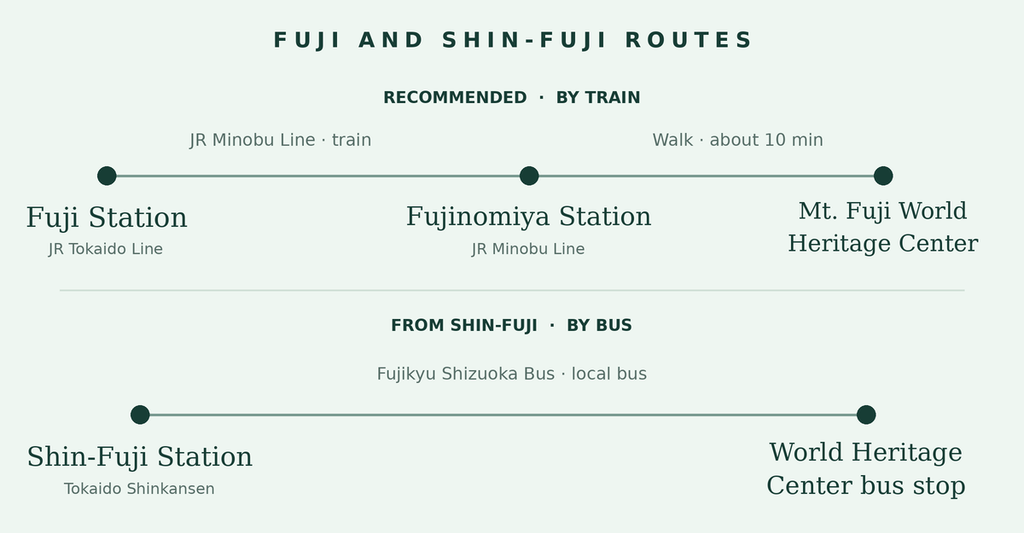
Two different stations: Fuji Station serves the JR Tokaido and Minobu lines; Shin-Fuji Station serves the Tokaido Shinkansen. They are about 1.2 miles (2 kilometers) apart and have no direct rail connection.
Changing from Shinkansen to local rail: Coming from the east, change at Mishima Station for the JR Tokaido Line to Fuji. Coming from the west, change at Shizuoka Station. At Fuji Station, transfer to the JR Minobu Line for Fujinomiya.
- Fujikyu Shizuoka Bus: Fujinomiya area and Shiraito Falls routes
- Fujikyu Shizuoka Bus: Fuji area and Shin-Fuji routes
The Mountain Beyond the View
Mt. Fuji’s summit stayed hidden during my visit. Clouds filled the view from the World Heritage Center’s observation hall. Elsewhere in Fujinomiya, I drank spring water at Omiya Yokocho, watched small fish swim through Wakutama Pond, and stood among the fine streams at Shiraito Falls.
I never saw the full mountain, yet by the end of the day, it felt closer than it had at the start. In Fujinomiya, Mt. Fuji is present in the water, the food, and the places where people have gathered for centuries.